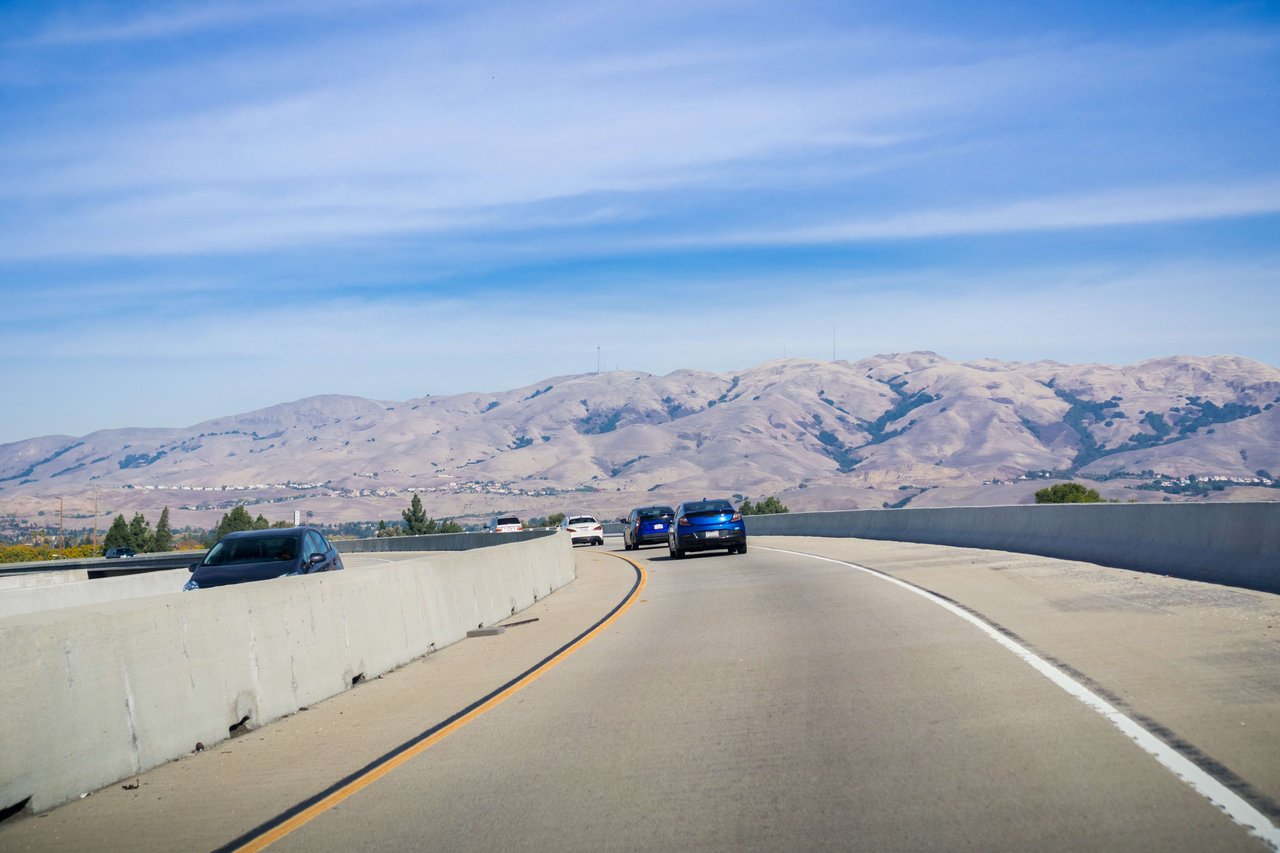
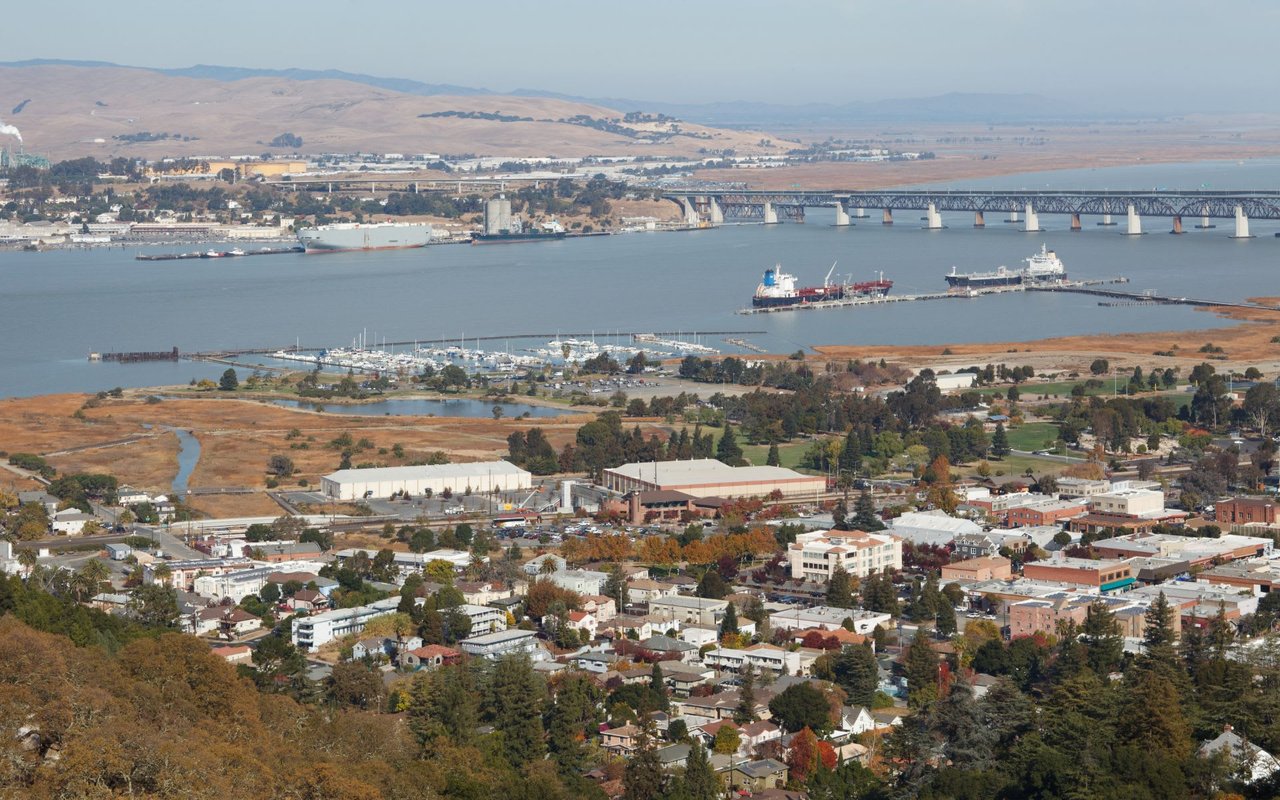
San Ramon is one of the East Bay’s most sought-after real estate markets for buyers who want highly rated schools, newer master-planned neighborhoods, strong commute access, parks, trails, and a polished suburban lifestyle. From Windemere and Gale Ranch to Dougherty Valley, The Bridges, Twin Creeks, Norris Canyon Estates, and neighborhoods near Bishop Ranch and City Center, San Ramon offers a wide range of homes, price points, and buyer profiles.
The Frazzano Tse Team helps San Ramon buyers and sellers understand the differences between neighborhoods, school boundaries, home styles, lot sizes, commute patterns, and long-term resale value. With $2.7B+ in career sales and deep East Bay experience, our team brings a strategic, local approach to every move in San Ramon.
San Ramon is not one single housing market. Buyer demand changes significantly between Windemere, Gale Ranch, Dougherty Valley, Twin Creeks, The Bridges, Norris Canyon Estates, Bollinger Hills, and neighborhoods near Bishop Ranch and City Center. The right strategy depends on the home’s location, condition, school boundary, age, floor plan, lot size, and competition at the time of launch.
The Frazzano Tse Team helps San Ramon sellers prepare, price, market, and negotiate with a clear strategy from the beginning. For buyers, we help compare neighborhoods by lifestyle, schools, commute, amenities, home age, and long-term value — not just price and bedroom count.
Selling a home in San Ramon requires a different strategy depending on the neighborhood, price point, and buyer pool. A Windemere or Gale Ranch home may compete on school access, floor plan, upgrades, and neighborhood amenities. A Twin Creeks or Bollinger Hills home may need a stronger preparation and presentation strategy to compete with newer inventory. A luxury home in Norris Canyon Estates or The Bridges requires more precise positioning, elevated marketing, and careful pricing discipline.
The Frazzano Tse Team helps San Ramon sellers with pricing strategy, pre-listing preparation, Compass Concierge planning, vendor coordination, staging guidance, photography, video, digital marketing, negotiation, and closing management. The goal is not simply to list the home. The goal is to prepare it correctly, launch it with impact, and create the strongest possible buyer response.
Buying in San Ramon is about more than finding the right house. Buyers often compare school boundaries, commute access, HOA amenities, home age, lot size, floor plan, proximity to parks, and access to Bishop Ranch, City Center, I-680, and the Dublin/Pleasanton BART station.
Some buyers want newer homes and community amenities in Windemere, Gale Ranch, or Dougherty Valley. Others prefer established neighborhoods like Twin Creeks, Bollinger Hills, or neighborhoods closer to central San Ramon. Luxury buyers may focus on The Bridges, Norris Canyon Estates, or hillside properties with privacy and views. A smart San Ramon home search starts by matching the neighborhood to the buyer’s daily life, not just the online search filters.
San Ramon has several distinct real estate markets. A buyer looking in Windemere or Gale Ranch is often comparing a different lifestyle than someone focused on Twin Creeks, Bollinger Hills, The Bridges, Norris Canyon Estates, or neighborhoods near Bishop Ranch and City Center. Understanding those differences is where local guidance matters.
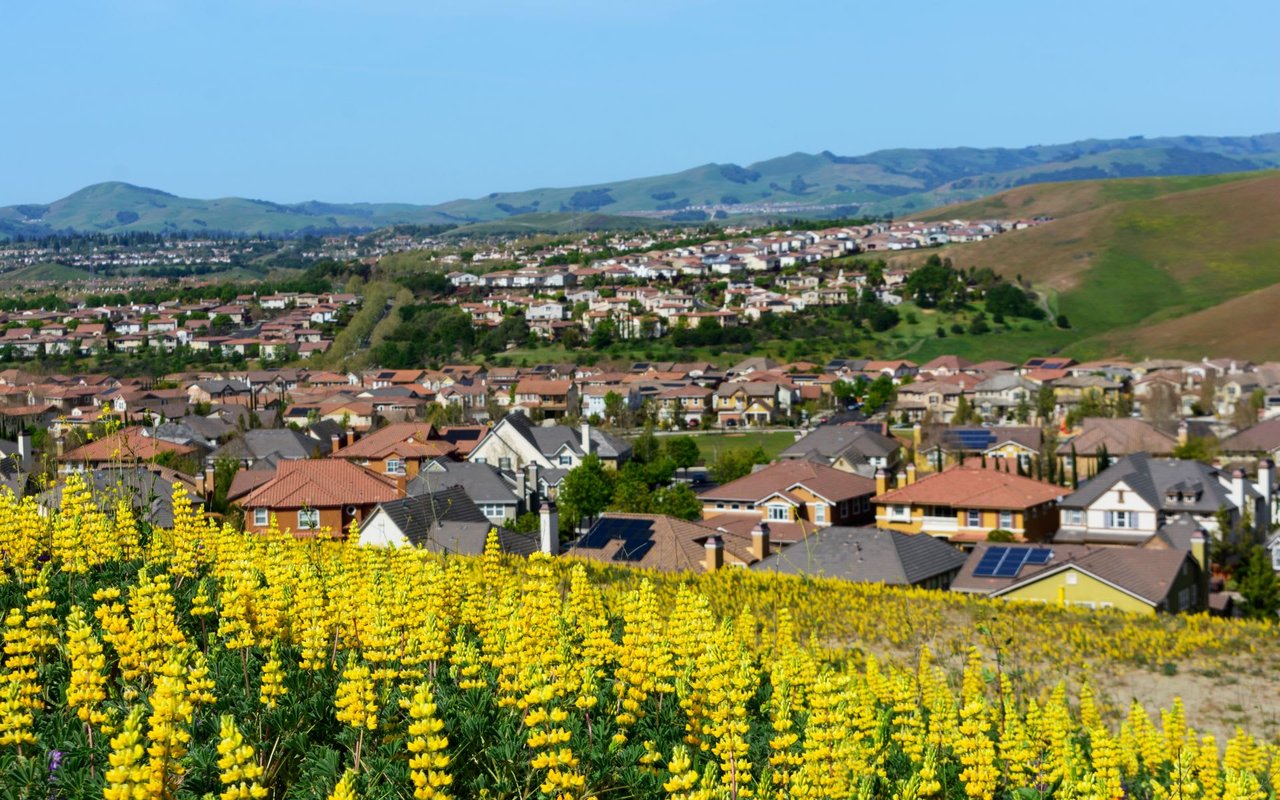
Windemere is one of San Ramon’s best-known master-planned communities, popular with buyers who want newer homes, neighborhood parks, trails, and access to highly regarded schools. Many homes were built in the 2000s, with floor plans designed for modern family living, larger kitchens, open living areas, and attached garages. Buyers often choose Windemere for its clean neighborhood feel, school access, and newer-home convenience.
Gale Ranch is another major San Ramon destination for buyers who want newer construction, community planning, parks, and strong neighborhood identity. Homes range from townhomes and smaller single-family homes to larger detached properties with upgraded interiors. Gale Ranch is often compared directly with Windemere and Dougherty Valley because of its schools, amenities, and modern suburban layout.
Dougherty Valley attracts buyers who prioritize schools, newer homes, parks, and a polished suburban environment. This area is especially popular with families and move-up buyers who want a newer community feel with access to trails, shopping, and major commute routes. Inventory can be competitive because the area has strong name recognition among San Ramon buyers.
Twin Creeks is one of San Ramon’s more established neighborhoods, with many homes built earlier than the newer east-side communities. Buyers often like the central location, mature landscaping, neighborhood character, and access to parks and schools. Some homes may need updating, but that can create opportunity for buyers who want location and long-term value.
Bollinger Hills offers a hillside setting, larger homes, and a quieter residential feel. Buyers looking here often want more space, views, and a neighborhood that feels less dense than some of the newer master-planned areas. Homes vary by age and condition, so preparation and pricing matter significantly for sellers.
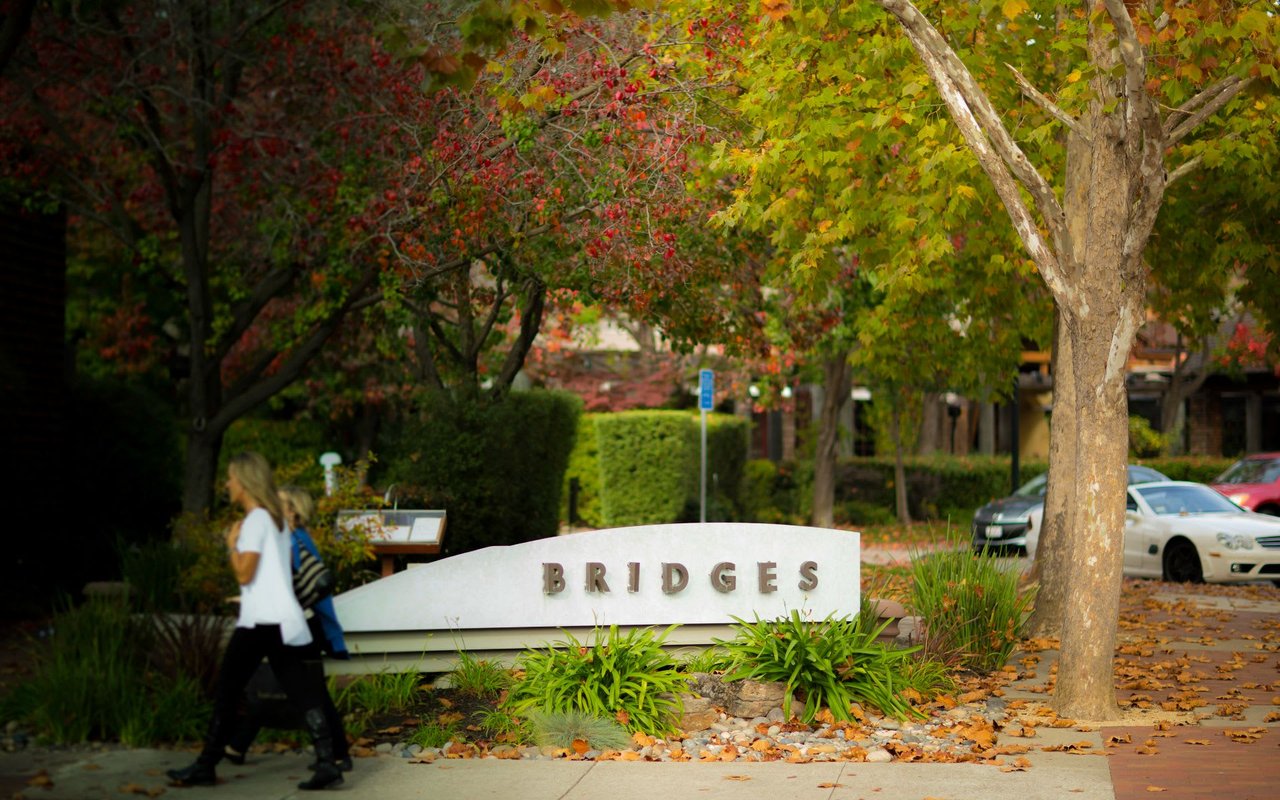
The Bridges is one of San Ramon’s most recognized luxury communities, known for larger homes, golf course surroundings, and an elevated residential feel. Buyers here often compare homes based on lot position, views, upgrades, floor plan, and proximity to community amenities. Sellers in The Bridges need strong marketing because luxury buyers expect presentation, photography, and positioning to be polished.
Norris Canyon Estates is a gated luxury community offering privacy, larger homes, hillside settings, and estate-style living. Buyers considering Norris Canyon are usually looking for space, security, views, and a more private San Ramon lifestyle. This is a specialized luxury market where pricing precision and targeted marketing matter.
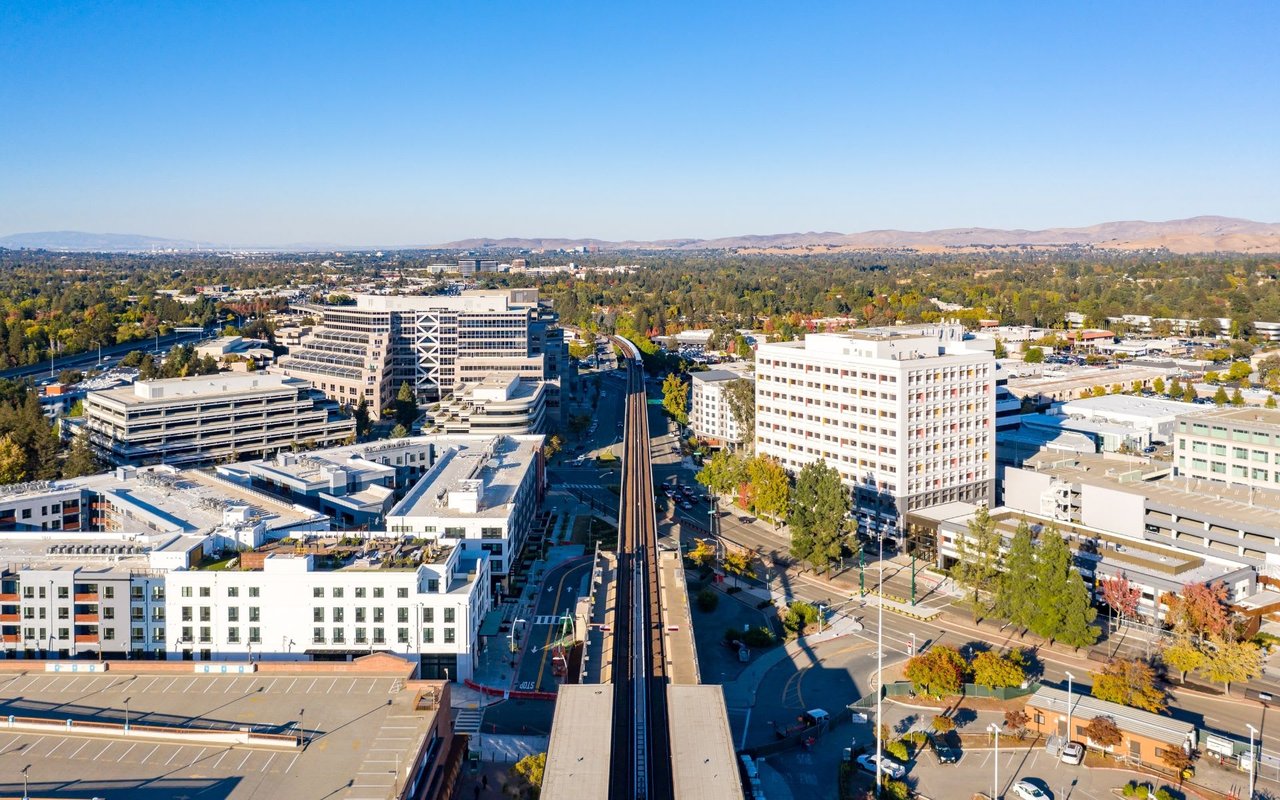
The area around Bishop Ranch and City Center appeals to buyers who want convenience, shopping, dining, fitness, employment access, and a more connected daily routine. This part of San Ramon is especially attractive for professionals and buyers who want suburban living without feeling disconnected from restaurants, services, and major employers.
San Ramon is known for highly rated schools, master-planned neighborhoods, Bishop Ranch, City Center, parks, trails, and strong access to I-680, I-580, and the Dublin/Pleasanton BART station. It is one of the East Bay’s most popular communities for buyers who want suburban convenience with strong long-term housing demand.
Popular San Ramon neighborhoods include Windemere, Gale Ranch, Dougherty Valley, Twin Creeks, Bollinger Hills, The Bridges, Norris Canyon Estates, and neighborhoods near Bishop Ranch and City Center. The best fit depends on whether a buyer prioritizes newer construction, schools, commute access, privacy, luxury amenities, or an established neighborhood feel.
San Ramon remains a strong long-term real estate market because of its schools, employment access, neighborhood planning, parks, and overall East Bay location. Buyers should compare neighborhoods carefully because home age, school boundaries, HOA amenities, commute patterns, and resale value can vary significantly across the city.
San Ramon can be highly competitive, especially for well-prepared homes in desirable neighborhoods such as Windemere, Gale Ranch, Dougherty Valley, The Bridges, and Norris Canyon Estates. Pricing, presentation, upgrades, and launch timing can have a major impact on buyer demand.
Before selling a San Ramon home, start with a pricing and preparation consultation. The right improvements, staging, photography, and marketing strategy can help the home stand out against competing inventory. This is especially important in neighborhoods where buyers compare similar floor plans, upgrades, school access, and HOA amenities.
San Ramon often appeals to buyers who want newer homes, master-planned neighborhoods, Bishop Ranch access, City Center amenities, and strong commute options. Danville tends to offer more historic charm, a more traditional downtown village feel, and a wider mix of older established neighborhoods and estate properties. Both are strong East Bay markets, but the lifestyle and housing stock are meaningfully different.
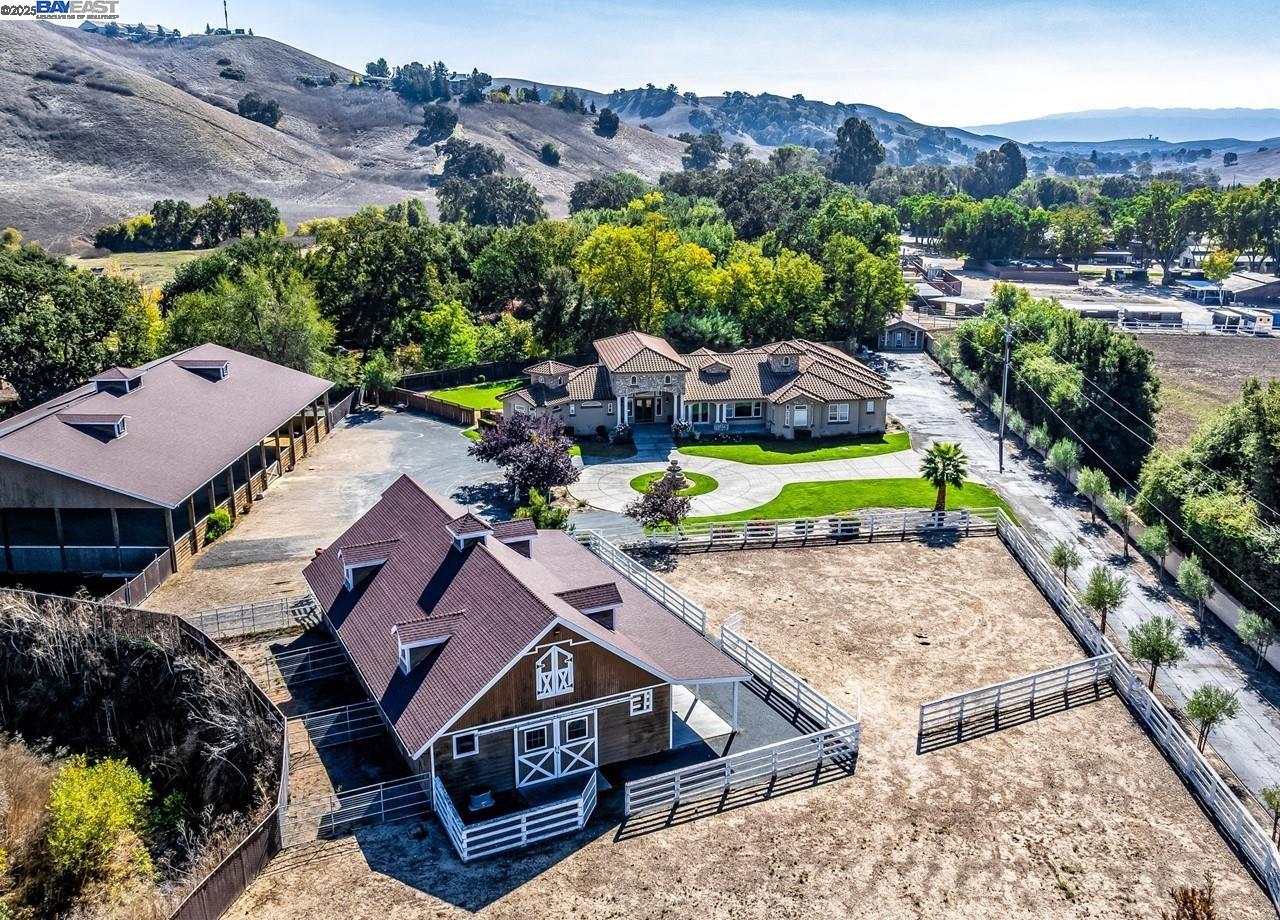
5530 Johnston Road - Sold for $3,000,000, $100,000 over asking, sold off market
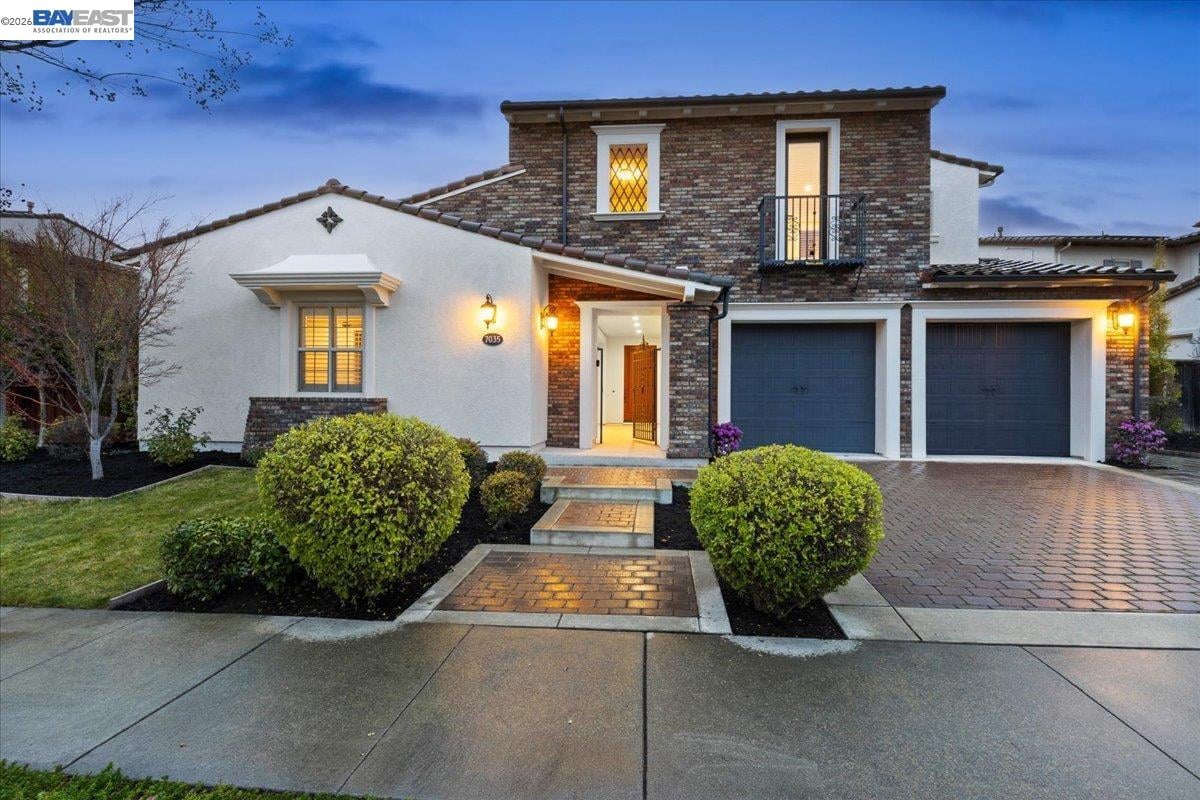
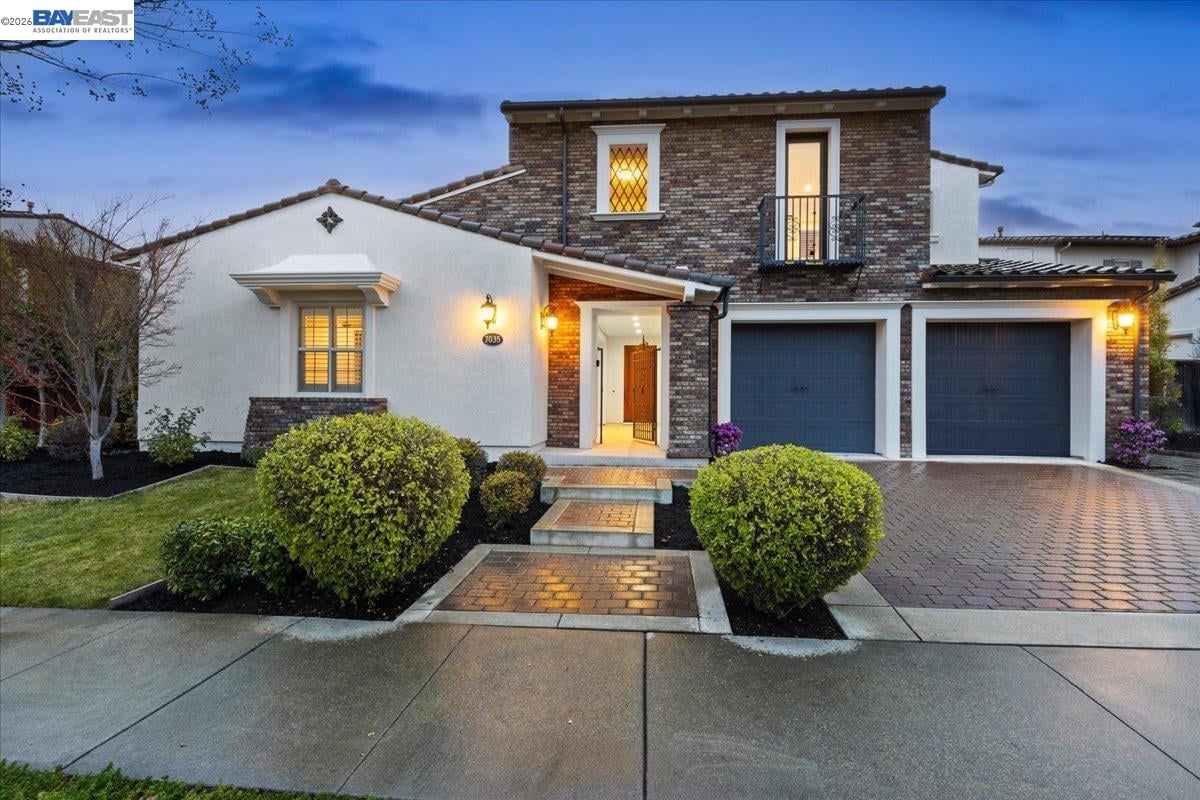
7035 Emerson Lane - Sold for $2,850,000, $52,000 over asking, in 7 days
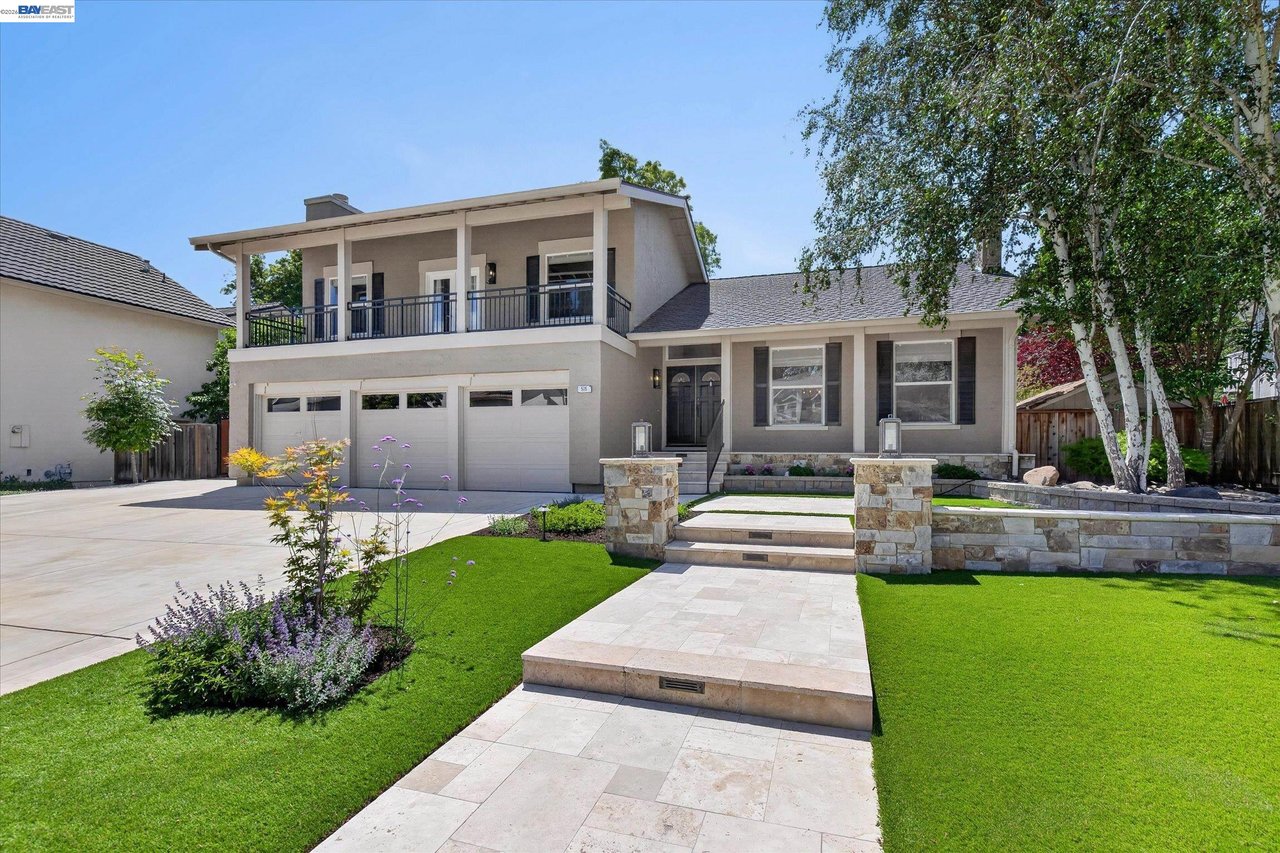
515 Burns Circle - Sold for $2,310,000, $22,000 over asking, in 21 days
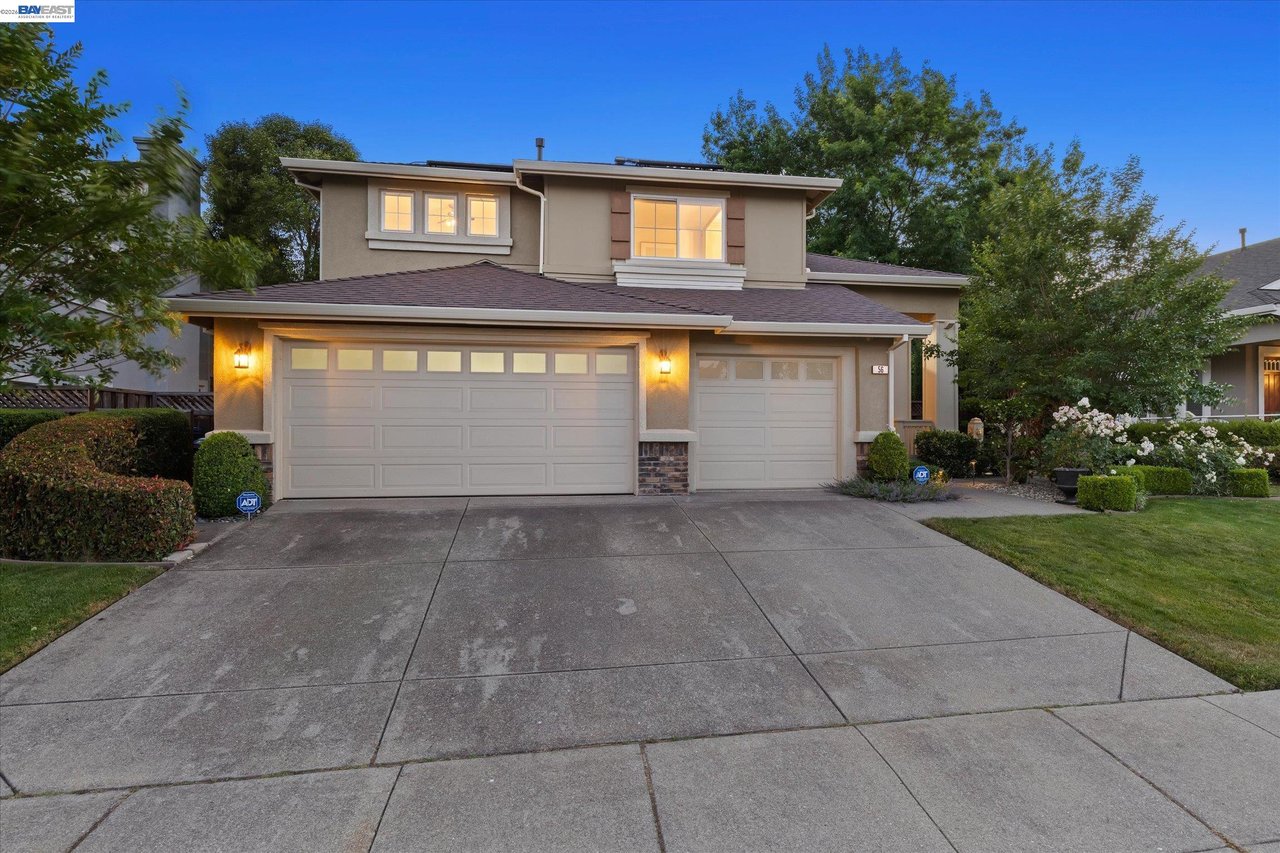
56 Centennial Way - Sold for $2,150,000, $150,100 over asking, in 8 days
Median sales price: $1,775,000
Average days on market: 16
Homes sold in the last 90 days: 117
List-to-sale price ratio: 100%
San Ramon delivers a rare mix: newer construction, walkable parks, and quick access to the rest of the East Bay without feeling like a busy urban hub. Bishop Ranch has evolved into a mixed-use destination with shops, restaurants, fitness centers, and public gathering spaces, creating a built-in town center feel. The community also benefits from extensive trail systems, well-maintained parks, and a family-oriented rhythm that keeps residents connected.
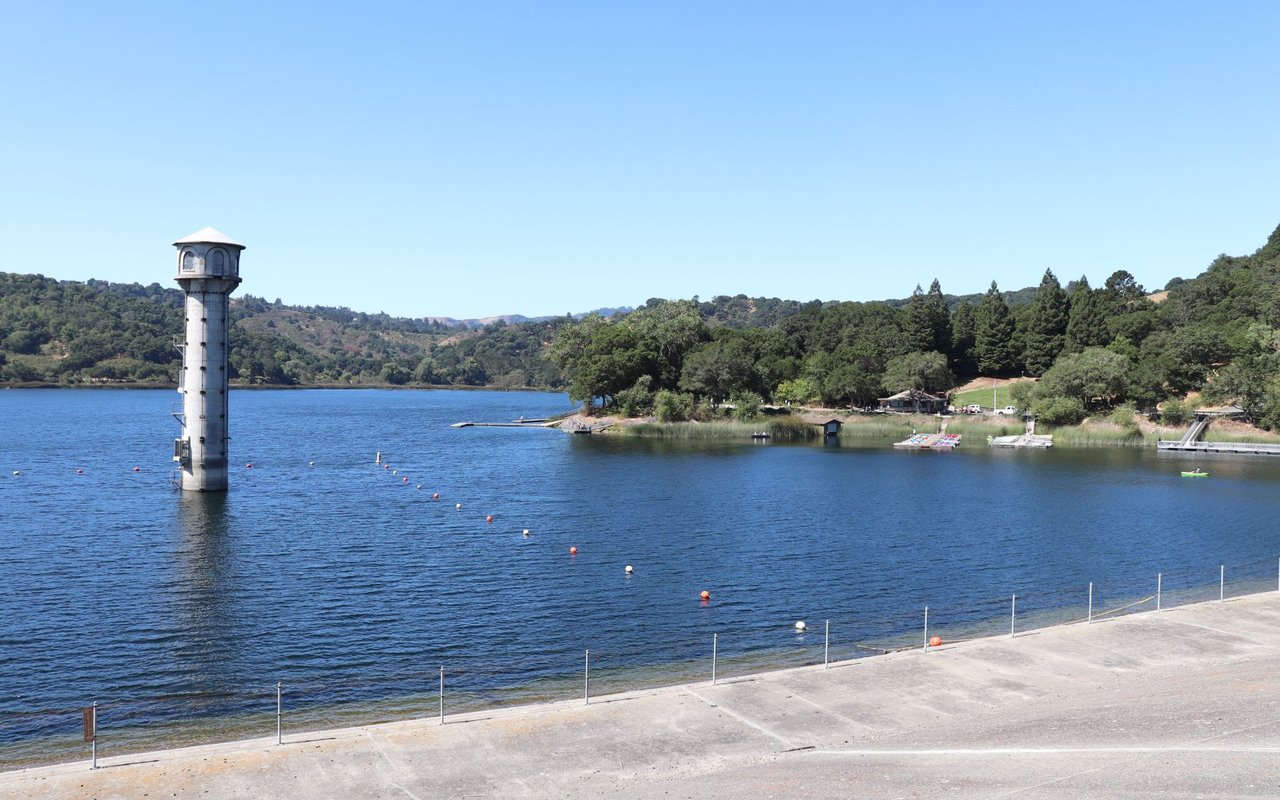
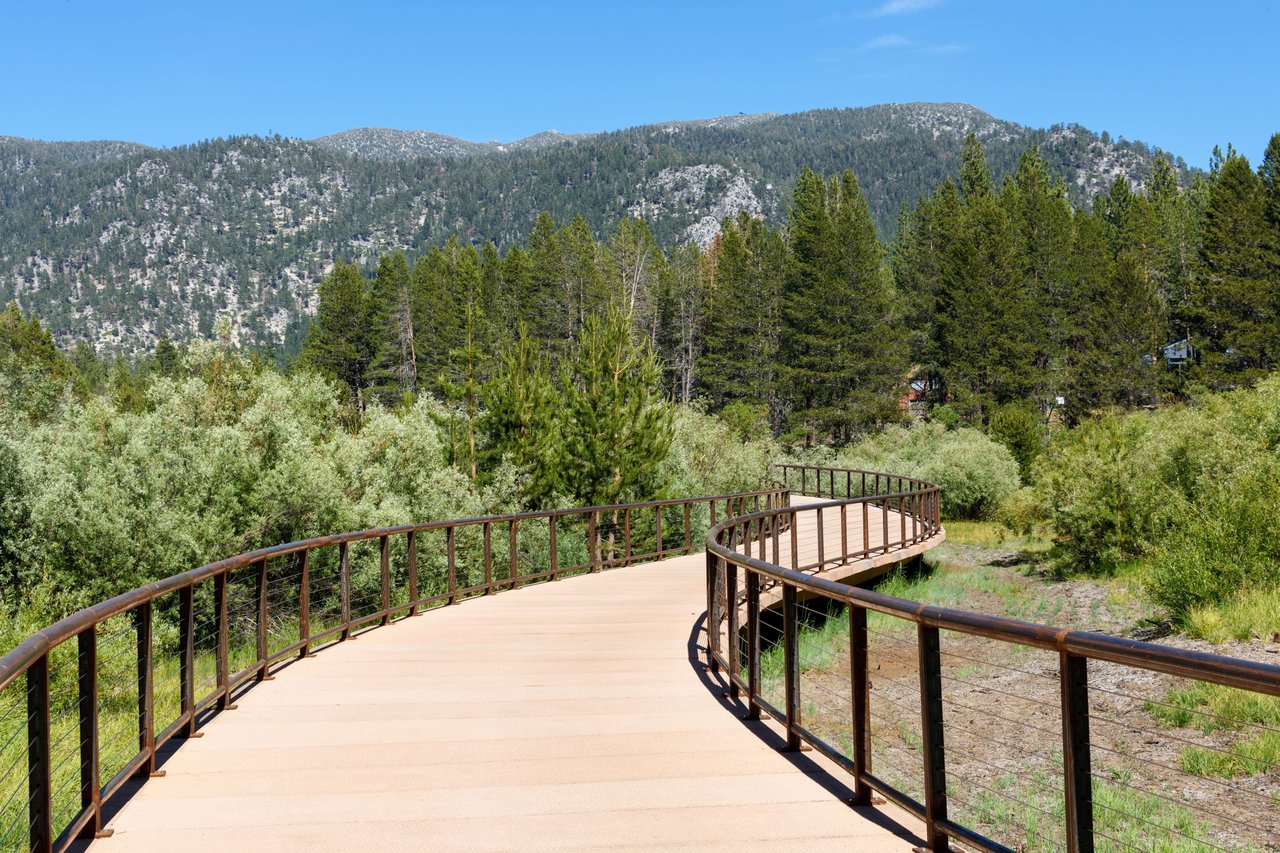
If you want parks, trails, and open space without leaving town, San Ramon delivers. The Iron Horse Trail runs through the city and connects miles of walking and biking routes. Nearby regional parks including Las Trampas Regional Wilderness and Mount Diablo State Park provide hiking, views, and outdoor activities within minutes of most neighborhoods.
San Ramon offers distinct pockets, each with its own character and buyer profile. Areas such as Windemere, Gale Ranch, Dougherty Hills, Bridges, and Canyons each deliver a different feel, whether your priority is newer construction, walkability, hillside views, or larger homes with space between neighbors. Many neighborhoods feature HOAs with resort-style amenities including pools, tennis courts, and tot lots.
San Ramon is consistently chosen for its reputation around schools and overall livability. Families and move-up buyers often see the area as a long-term hold because demand tends to stay strong across market cycles, supported by the San Ramon Valley Unified School District, one of the top-performing districts in the Bay Area, plus established master-planned communities and daily lifestyle benefits that are hard to replicate elsewhere.
San Ramon sits at a strategic point in the East Bay, offering practical access to I-680 for South Bay and Peninsula commutes, I-580 for East Bay access, and BART at the Dublin/Pleasanton station. Many tech workers choose San Ramon specifically for the balance of commute time, schools, and quality of life, while maintaining a residential pace that feels removed from the congestion of denser job centers.
San Ramon real estate stands out for its master-planned consistency and strong buyer demand. Exploring homes here is not just about the property—it is about choosing a community with modern amenities, enduring appeal, and a lifestyle that holds up year after year.
If you're considering a move to San Ramon, the smartest next step is narrowing the search by neighborhood fit and daily routine. That is where buyers make the biggest wins, and where most online searches fall short.
85,734 people live in San Ramon, where the median age is 40.9 and the average individual income is $82,145. Data provided by the U.S. Census Bureau.
Total Population
Median Age
Population Density Population Density This is the number of people per square mile in a neighborhood.
Average individual Income
San Ramon has 29,680 households, with an average household size of 2.88. Data provided by the U.S. Census Bureau. Here’s what the people living in San Ramon do for work — and how long it takes them to get there. Data provided by the U.S. Census Bureau. 85,734 people call San Ramon home. The population density is 4,274 and the largest age group is Data provided by the U.S. Census Bureau.
Total Population
Population Density Population Density This is the number of people per square mile in a neighborhood.
Median Age
Men vs Women
Population by Age Group
0-9 Years
10-17 Years
18-24 Years
25-64 Years
65-74 Years
75+ Years
Education Level
Total Households
Average Household Size
Average individual Income
Households with Children
With Children:
Without Children:
Marital Status
Blue vs White Collar Workers
Blue Collar:
White Collar: