Why do people choose Moraga?
Moraga delivers a rare combination: top-rated schools consistently ranked among California's best, stunning natural surroundings with over 50 miles of trails, and a tight-knit community that values tradition, safety, and connection. With no BART station and no freeway running through town, Moraga maintains a quiet, low-key lifestyle that feels intentionally slower-paced. For buyers who prioritize schools and neighborhood character over urban convenience, that trade-off is exactly the point.
Downtown Moraga and Moraga Village
Moraga centers around two commercial districts. Downtown Moraga, at the corner of Moraga Road and Moraga Way, serves as the community's social heart with the weekly Moraga Farmers' Market drawing over 40 local farmers and vendors every Sunday year-round. Popular gathering spots include Si Si Caffe for coffee and conversation. Further north, Rheem Valley Shopping Center features an eclectic mix of mainstream stores and locally-owned shops, including the Art Deco Rheem Theatre and Town Bakery & Cafe—a beloved local spot for breakfast and lunch.
Moraga Country Club lifestyle
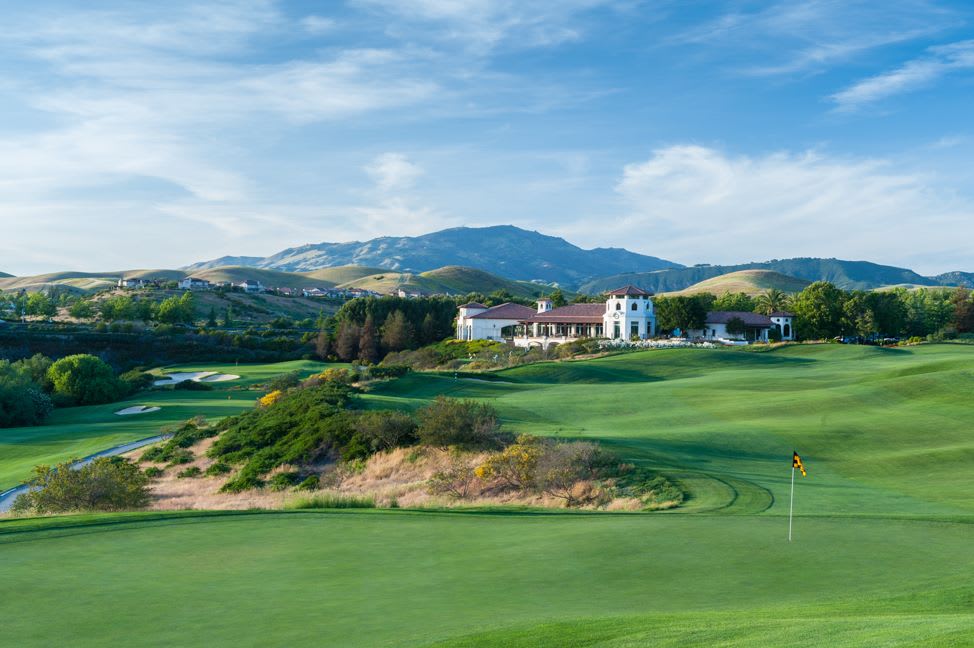
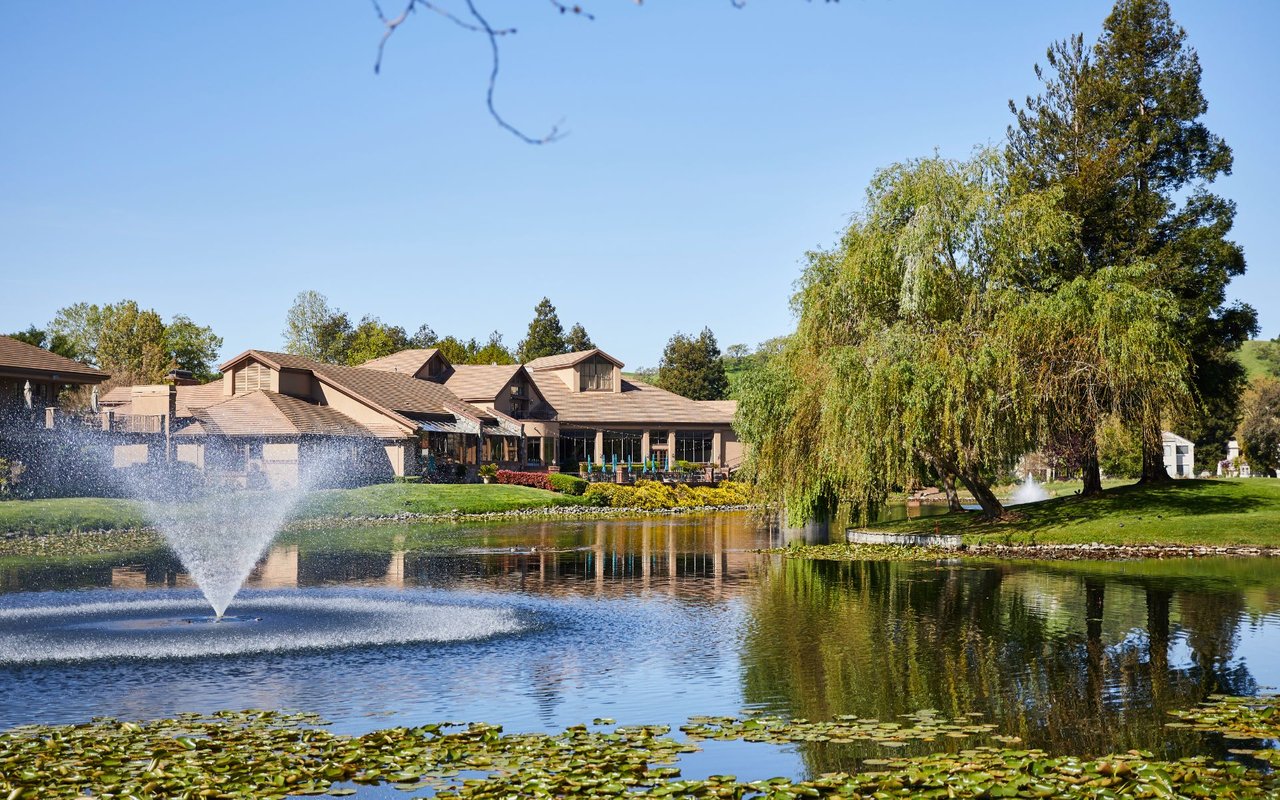
Moraga Country Club, established in 1972, is a defining feature of the community for many residents. The planned community includes over 500 private residences in the rolling hills of southwest Moraga, plus a 22,000-square-foot clubhouse, restaurant, swimming pool with aquatics programs, tennis courts, and an 18-hole championship golf course. For members, the club becomes a weekly rhythm: golf, tennis, swimming, dining, and social events that connect families across generations.
Neighborhoods and home styles
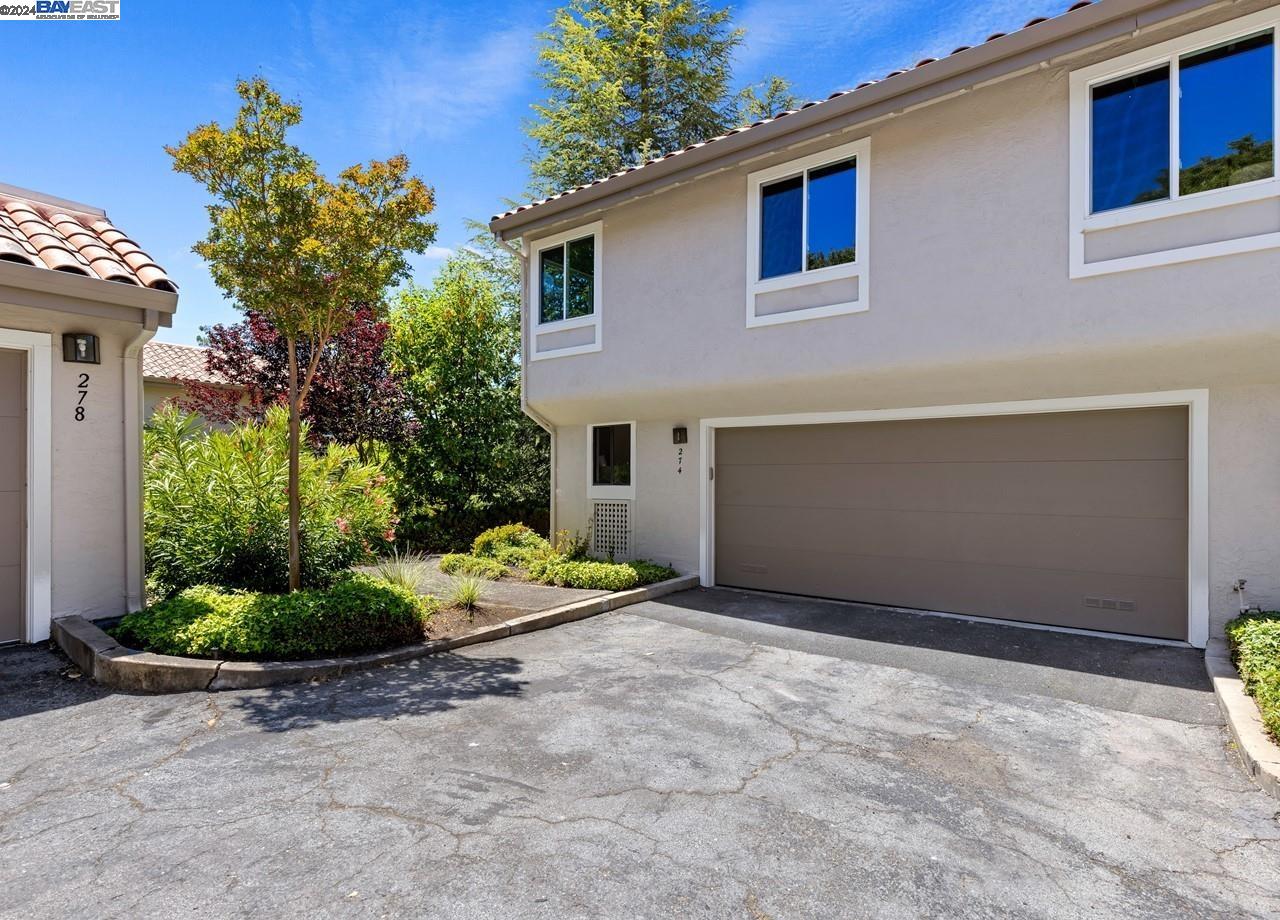
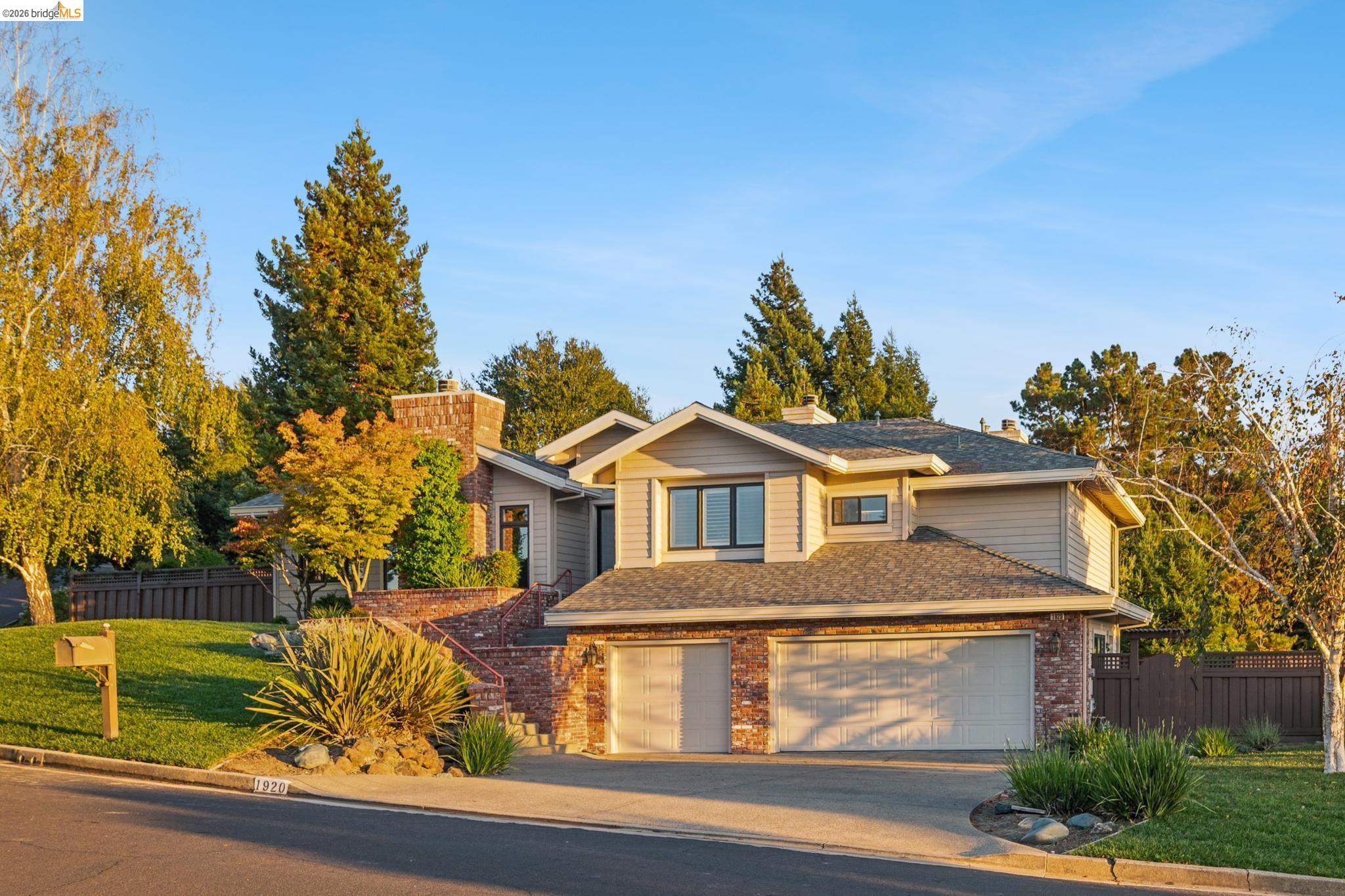
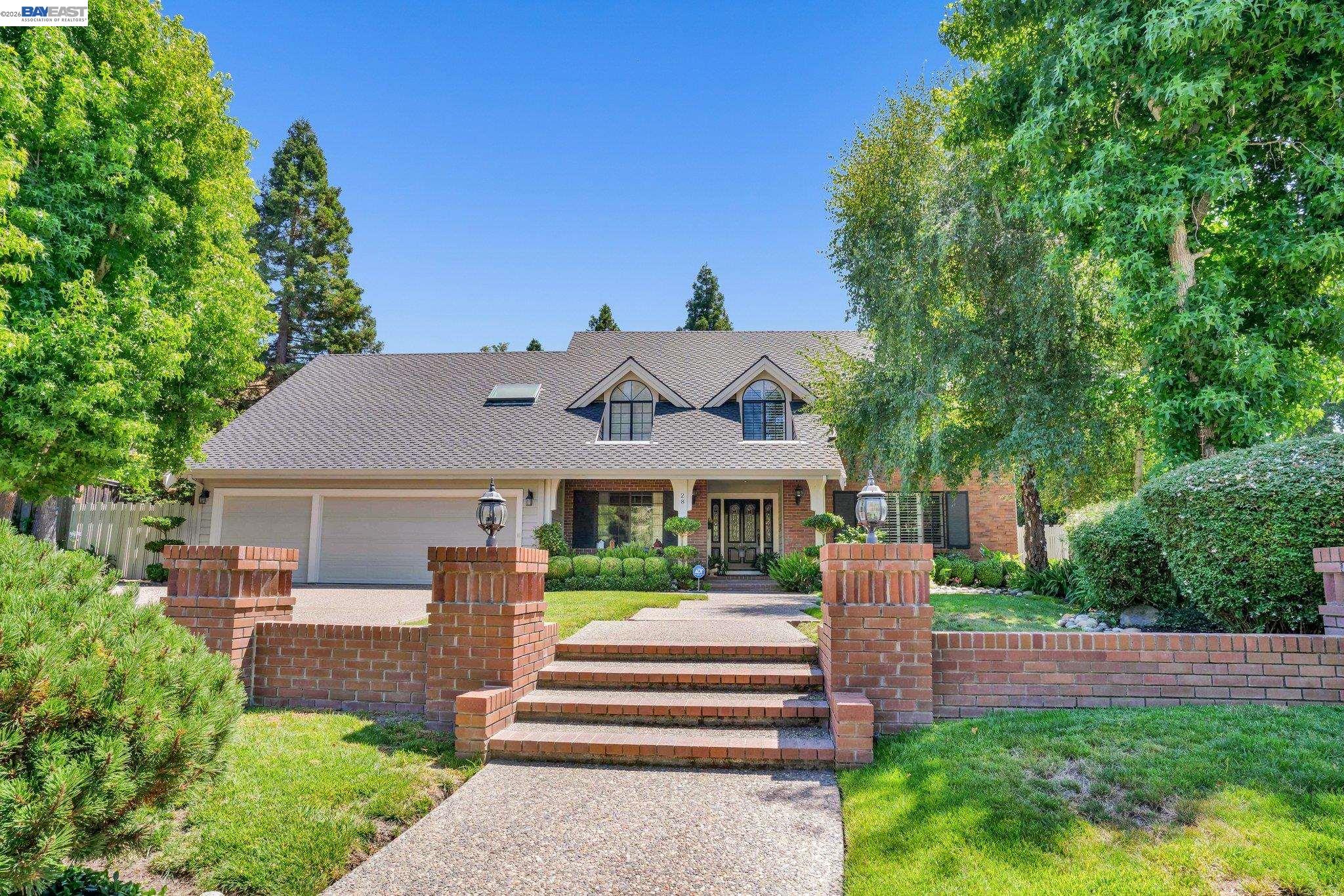
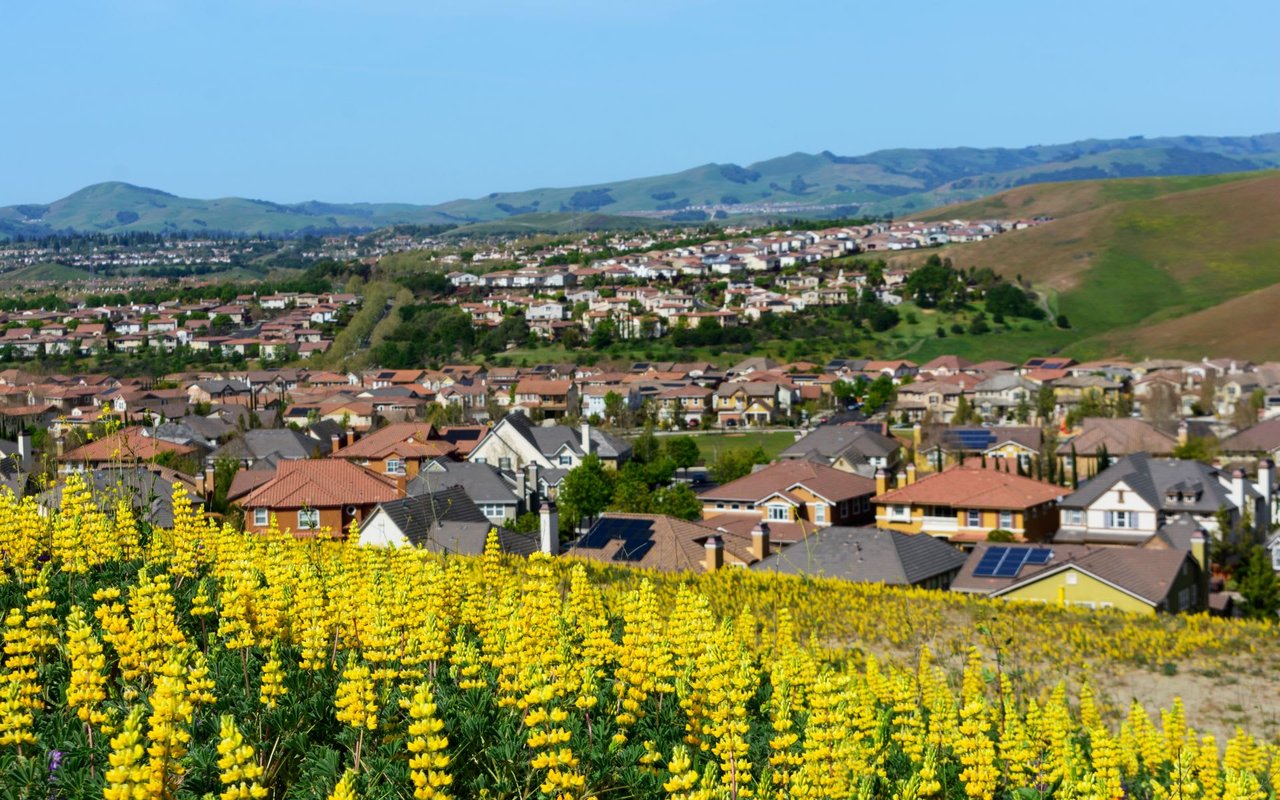
Moraga's neighborhoods blend into the natural landscape, with homes often set on generous lots surrounded by mature oaks and rolling hillsides. These are some of the areas that come up most in buyer conversations:
- Moraga Country Club: HOA-planned community, over 500 homes, resort-style amenities, golf course living
- Laguna Creek: Family-oriented, established homes, proximity to elementary schools
- Sanders Ranch: Newer development, modern floor plans, family-focused
- Moraga Road / Camino Pablo corridors: Mix of ranch-style homes and custom builds, varying lot sizes
- Hillside areas: Privacy-focused, larger parcels, some views, equestrian-friendly in certain pockets
If you tell me what matters most (school proximity, lot size, newer construction, country club access, privacy, budget), it's easy to narrow the map fast.
Parks, trails, and outdoor recreation
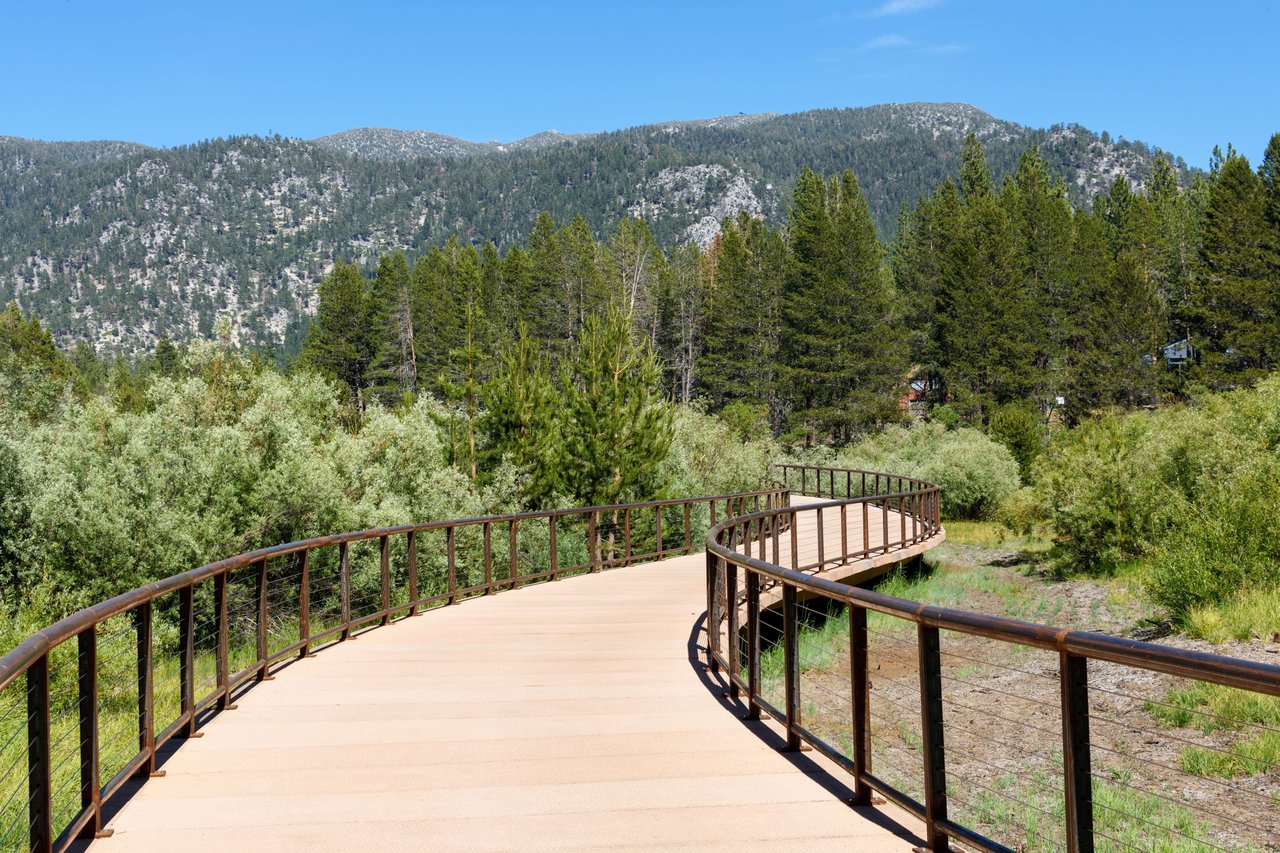
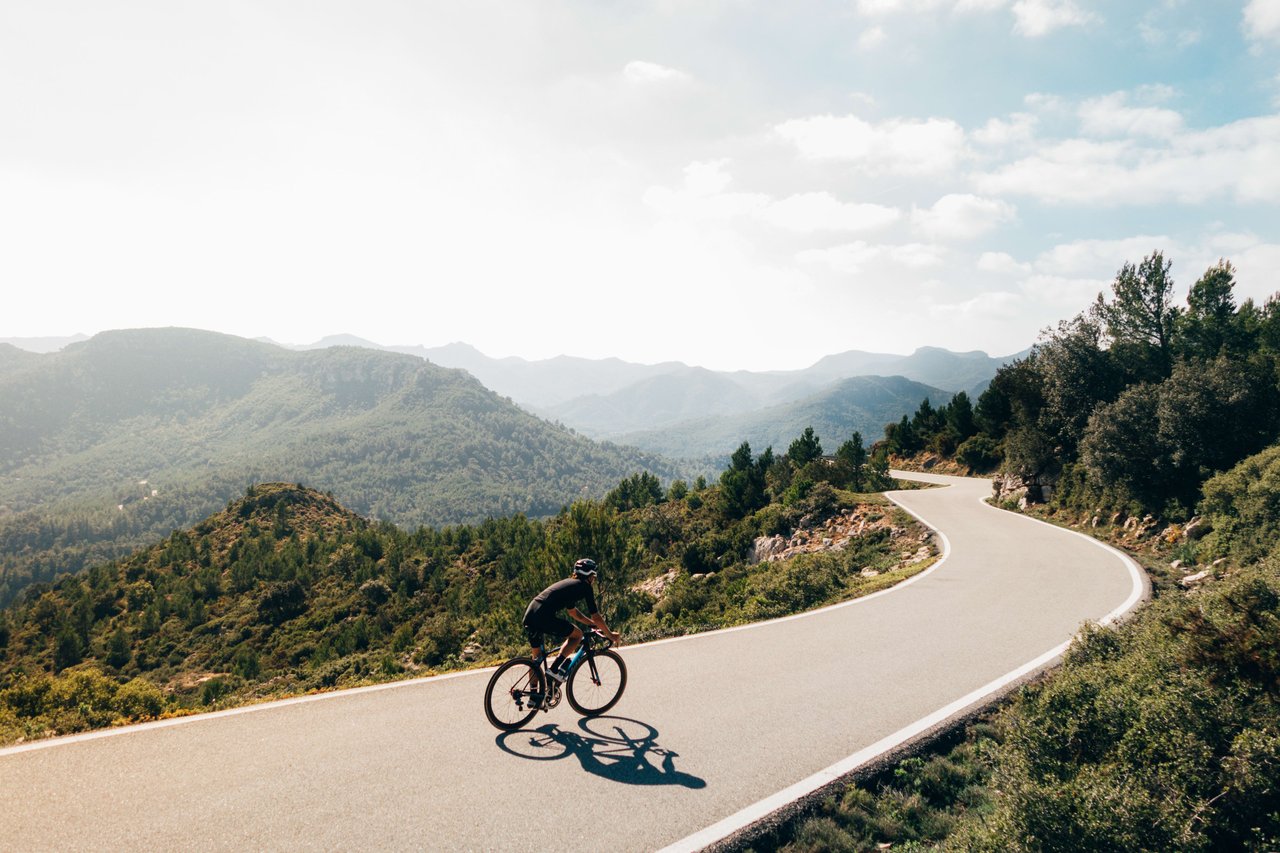
Moraga owns over 50 acres of park space and approximately 50 miles of hiking, biking, and equestrian trails. Moraga Commons Park, spanning over 40 acres, features modern all-abilities playgrounds, sand volleyball courts, the Lamorinda Skatepark, a bandshell for concerts, and a splash pad for summer play. The park hosts the annual Moraga Pear Harvest & Festival each September and a Summer Concert Series throughout the warmer months.
The Lafayette-Moraga Regional Trail, a 7.6-mile paved path, runs directly through Moraga Commons and connects to downtown Lafayette, making it a defining feature of daily life for walkers, runners, and cyclists. Mulholland Ridge Open Space Preserve protects 260 acres for future generations.
Schools and long-term value
Moraga is chosen first and foremost for schools. The Moraga School District operates three elementary schools—Los Perales, Rheem, and Camino Pablo—plus Joaquin Moraga Intermediate School for middle school students. High school students attend Campolindo High School in the Acalanes Union High School District, a top-ranked California school known for strong academics, arts programs, and athletic facilities. School quality is the primary reason families choose Moraga and the major long-term value driver in the local real estate market.
Saint Mary's College of California
Saint Mary's College of California, founded in 1863 and relocated to Moraga in 1928, sits on a stunning 420-acre campus in the Moraga hills. The private Catholic liberal arts college, administered by the De La Salle Brothers, enrolls approximately 4,000 undergraduate and graduate students and is consistently ranked among the top regional universities in the West. The college contributes to Moraga's cultural and intellectual identity, hosting public events including art exhibitions at the Saint Mary's College Museum of Art, theater performances, athletic events, and community lectures.
Community events and identity
Moraga takes the community seriously. Beyond the weekly farmers' market and summer concerts, the town hosts a beloved Fourth of July fireworks display, the annual Pear Harvest & Festival, and regular neighborhood gatherings. The Moraga Chamber of Commerce supports local businesses and community connection. This level of civic engagement creates a genuine sense of belonging and is central to what makes Moraga feel distinct.
Commute and access
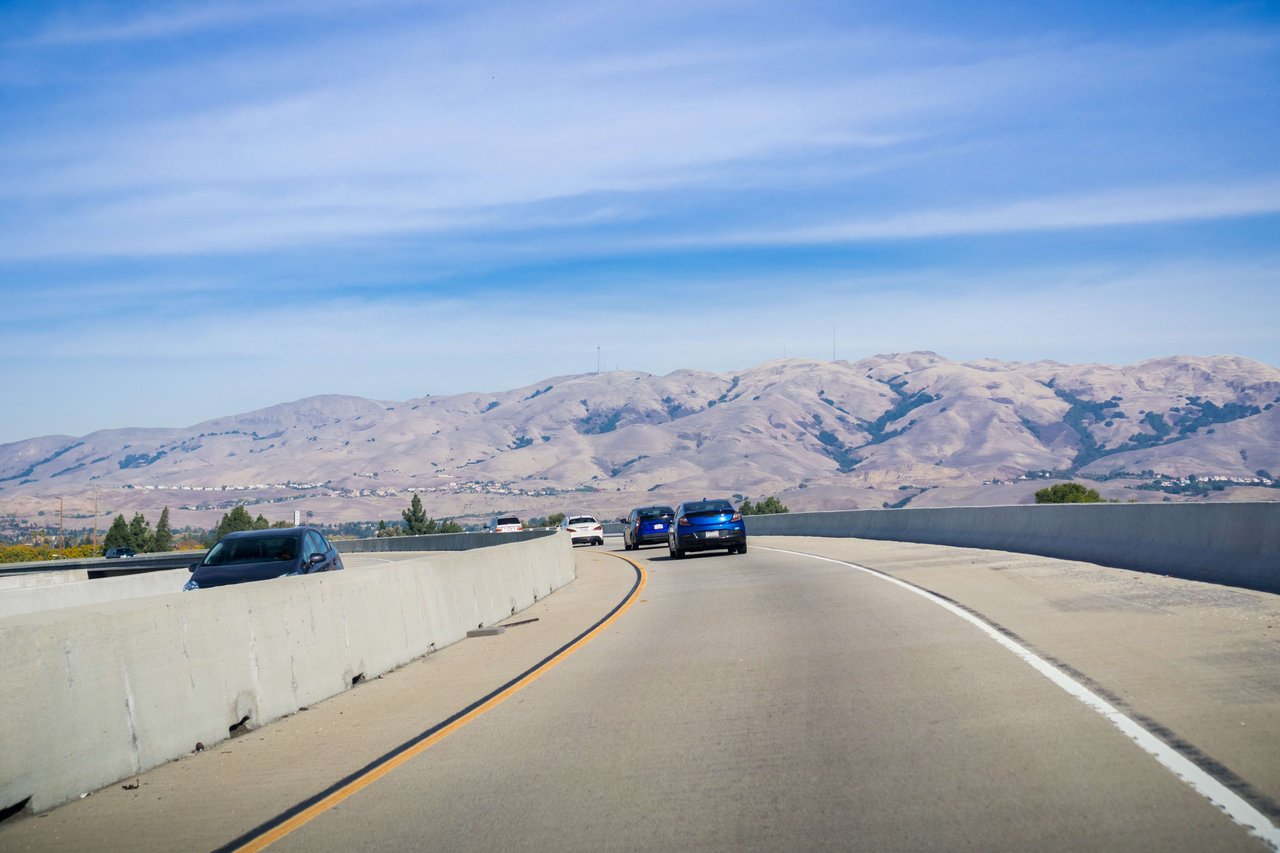
Moraga's semi-rural character means longer commute times than neighboring Lafayette or Orinda. Highway 24 sits about 10 minutes away via Moraga Road, providing access to Walnut Creek, Oakland, and San Francisco. The nearest BART stations are in Lafayette and Orinda, both requiring a short drive or bus connection via County Connection Route 106 or 206. For buyers who can afford the extra commute time, Moraga offers a lifestyle that feels genuinely removed while staying functionally connected.
Real estate and value
Moraga real estate ranges from established ranch-style homes starting around $1.2 million to custom hillside estates and Moraga Country Club properties exceeding $2.5-3 million. Properties with flat, usable land and proximity to top elementary schools command premium pricing. Compared to neighboring Orinda, Moraga often offers slightly better value per square foot while maintaining comparable school quality and a more relaxed pace.
For sellers, Moraga buyers are highly focused on schools, lot quality, and neighborhood character. Homes that show well, feel turnkey, and sit within strong school boundaries tend to generate the strongest interest. If you want a realistic number, start with a home value estimate in Moraga.
If you are selling in Moraga
Moraga buyers prioritize schools above all else, followed by lot usability, peace and quiet, and home condition. Properties that present well, highlight their school assignments, and price strategically perform best. If you are considering improvements before listing, start here: Compass Concierge.