Most sellers rely on headlines and hearsay.
“Prices are up.”
“Rates are high.”
“Inventory is low.”
None of that tells you what is happening on your specific street, in your specific price point, right now.
If you want to make smart decisions, you need to look past the noise and focus on real indicators.
Indicator 1: Days on market in your micro-area
Are homes like yours selling in 7–10 days, or sitting 30–60 days?
Short days on market with multiple offers indicate strong demand. Longer days and frequent price reductions signal a more cautious environment.
You do not need to guess. The data is available.
Indicator 2: List-to-sale price ratios
Are homes closing at, above, or below their list price?
If most are selling above list, the market is rewarding sharp pricing and strong presentation. If many are closing below, it usually means list prices are aspirational and the market is pushing back.
Indicator 3: Inventory and competition
In your price range and area:
-
How many similar homes are active right now?
-
How many are pending?
-
Are you competing directly with new construction or just other resales?
The more competition you have, the more dialed-in your pricing and prep need to be.
Indicator 4: Buyer behavior on the ground
Serious agents see this in real time:
-
Are buyers writing clean offers, or heavy on contingencies?
-
Are they asking for large credits during inspections?
-
Are there strong qualified buyers sitting on the sidelines, waiting?
This nuance never shows up in online graphs, but it matters when you are choosing strategy.
Indicator 5: Your own tolerance
Market conditions are one part. Your personal situation is the other.
-
Are you flexible on timing, or do you have a hard deadline?
-
Is maximizing every last dollar the priority, or is certainty more important?
-
How long are you willing to hold a listing that is not getting the response you want?
A good strategy aligns the market reality with your non-negotiables.
The bottom line
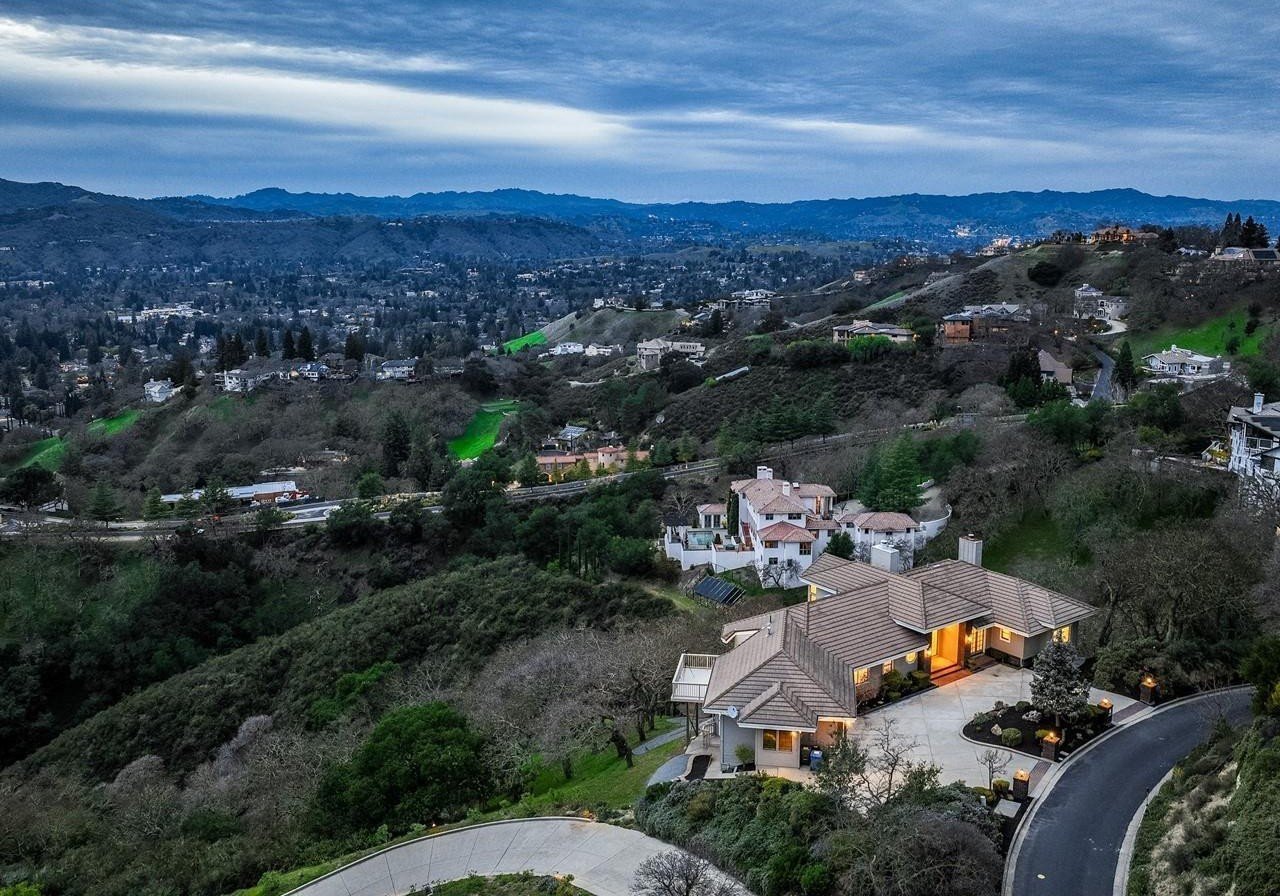
If you want to sell well in the San Ramon Valley, you cannot rely on generic “hot market” talk. You need real data, clear eyes, and a plan that reflects what is actually happening, not what people are saying.
The sellers who win are the ones who stop guessing and start treating their home sale like the serious transaction it is.