Who this is for: Alamo homeowners who are thinking about listing in the next 60–90 days and want a clear, specific preparation plan not generic seller advice, but the sequence that accounts for Alamo's specific buyer profile, property complexity, and the details luxury buyers scrutinize before writing an offer.
The decision you're trying to make: Not whether to prepare; you should. The real decision is what to prepare, in what order, at what investment level, so that your time and money go toward the things that actually change buyer behavior rather than the things that feel productive. In a market as property-specific as Alamo, the wrong preparation sequence can cost you as much as no preparation.
Why our team has authority: The Frazzano Tse Team has guided Alamo sellers through this exact process for over 50 years with $2.7 billion in career sales. We know which preparation investments change Alamo buyer behavior and which ones don't, what luxury buyers in this market scrutinize in disclosures and inspections, and how to sequence a sale so the launch creates urgency rather than giving buyers a reason to wait.
What you'll know by the end: The complete 90-day preparation sequence for an Alamo home sale, the three-bucket framework for every potential project, neighborhood-specific guidance for Westside, Roundhill, Stonegate, Bryan Ranch, and hillside properties, what to avoid, and how to approach the launch with an offer strategy that matches Alamo's buyer profile.
Why Alamo Sellers Need a Structured Prep Plan
Alamo is a high-value, property-specific market. Two homes with similar square footage can perform very differently based on lot usability, privacy, views, outdoor living, landscaping, remodel quality, roof and HVAC condition, drainage, pool and spa condition, floor plan, staging quality, disclosures, pricing strategy, and the confidence buyers feel when they walk through the door.
Luxury buyers are patient. If a home feels tired, risky, or overpriced relative to what it offers, they will wait. That patience is what makes preparation so valuable in Alamo; it determines whether you create competition in week one or accumulate a stale-listing perception over the following months.
The goal of the 90-day plan is not perfection. It's to give your home the clearest, most confident presentation possible so the right buyers feel compelled to act.
Days 1–10: Strategy Before Spending
Don't start with paint colors or landscaping decisions. Start with the questions that determine whether those investments will pay off.
Before spending anything, answer: Who is the likely buyer for this home the Westside Alamo buyer who wants charm and Danville proximity, the Roundhill buyer who wants a golf-course lifestyle, or the estate buyer who wants land and privacy above all? What price range are we targeting, and which pricing lane does this home honestly belong in? What homes will buyers compare ours against this week? What are the property's genuine strengths and most likely objections? What should we fix, what should we price around, and what should we skip entirely?
This matters because a Westside Alamo home needs a different prep plan than a Roundhill home. A Stonegate estate needs a different launch strategy than a Bryan Ranch property. A hillside home needs more focus on drainage, slope, insurance clarity, and usable land than a flat lot home with the same square footage.
The prep plan should match the buyer pool, not generic seller advice.
Get a free Alamo home valuation and strategy session →
Days 10–20: Walk Through Like a Buyer
Sellers see memories. Buyers see cost. That's not harsh; it's how the market works.
Walk through every room, every outdoor space. The entire approach and entry, looking for anything that creates buyer friction: dated kitchen or bathrooms, worn flooring, old lighting, heavy window coverings, cluttered rooms, tired landscaping, overgrown trees, visible water stains, roof age signals, HVAC uncertainty, pest or dry rot exposure, drainage concerns, pool and spa condition, driveway cracks, peeling or faded exterior finishes, unclear remodel work, old windows, or weak curb appeal.
The point is not to criticize the home. The point is to identify buyer friction before the market does, then decide what to do with the time and resources you have, rather than reacting to what an inspector discovers after an offer is accepted.
Days 15–30: The Three-Bucket Framework
Every possible project belongs in one of three buckets. Sorting them before spending anything is the most important strategic decision in the preparation process.
Bucket 1: Fix Before Listing: Items that create buyer fear, obvious objections, or inspection leverage. Active leaks, roof issues with visible evidence, pest or dry rot damage, broken windows or sliders, unsafe electrical, plumbing leaks, HVAC problems, water heater issues, poor drainage, pool and spa problems, obvious exterior damage, loose railings, strong odors, and major cosmetic distractions. If the problem is obvious, manageable, and likely to scare buyers, fix it before going live; the cost of addressing it before listing is almost always lower than the credit a buyer demands after discovering it in escrow.
Bucket 2: Skip: Improvements that are expensive, highly personal, or unlikely to pay back relative to their cost and timeline. Full kitchen remodels chosen around seller taste, full bathroom remodels without clear market support, expensive custom finishes, major landscaping redesigns, projects with uncertain timelines, trendy upgrades that may not appeal broadly, additions or major construction right before listing. The seller's job is to create demand, not to build the next owner's dream home.
Bucket 3: Price Around: Issues that are real but not worth fixing before sale. An older but functioning roof, dated but clean bathrooms, an older kitchen, aging HVAC that still runs, single-pane windows, an older pool surface, a sloped yard, a dated floor plan, limited outdoor usability, road noise, or an unusual layout. You can price around issues, but you cannot pretend they don't exist. If the home has meaningful tradeoffs, the pricing must be honest about them.
Days 20–40: Exterior, Landscaping, and Grounds
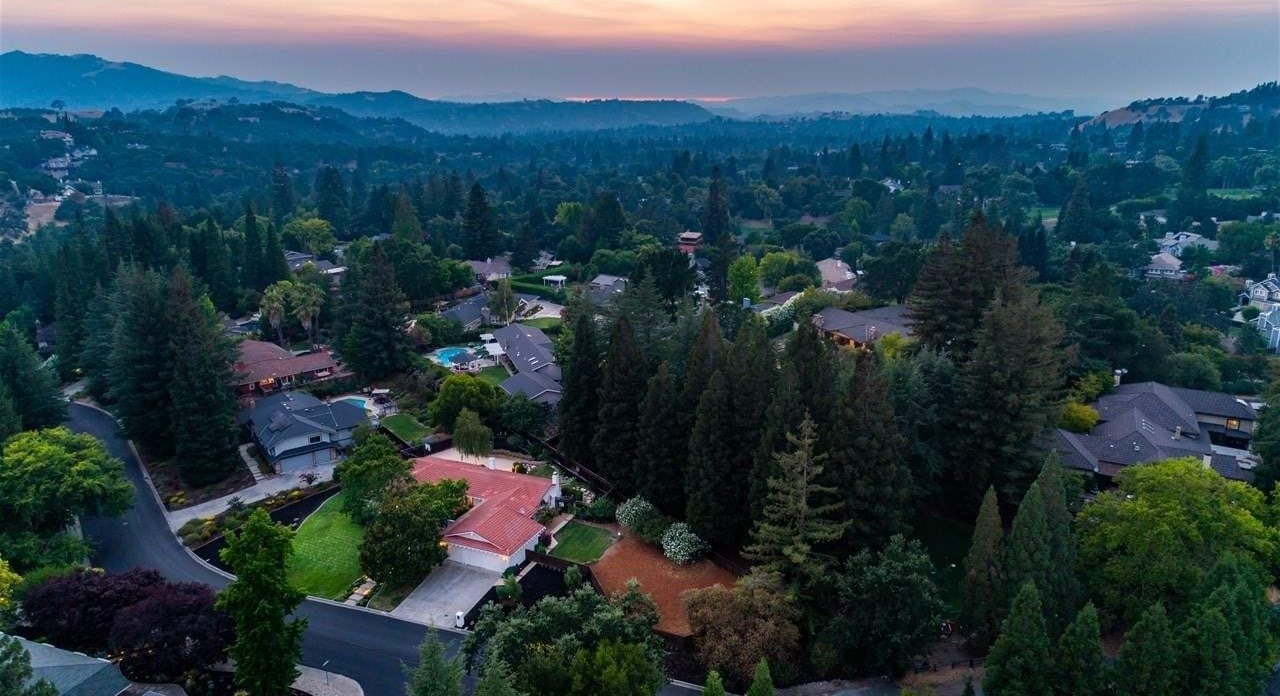
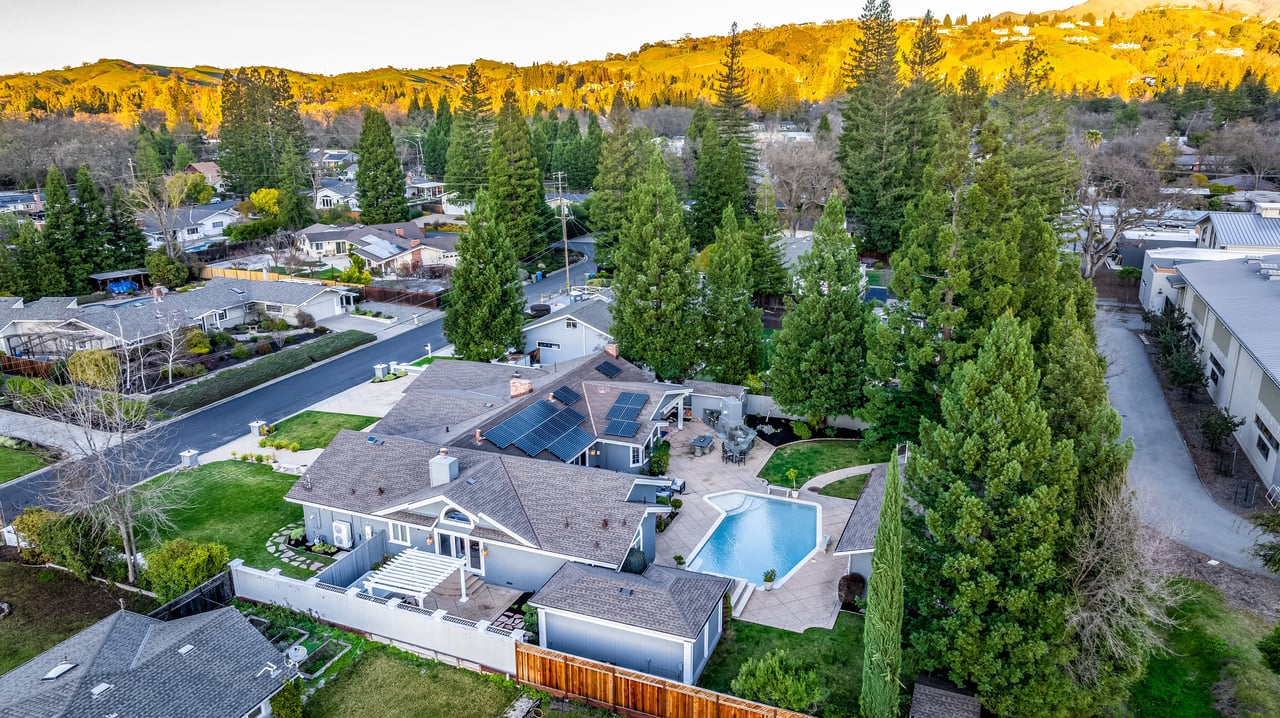
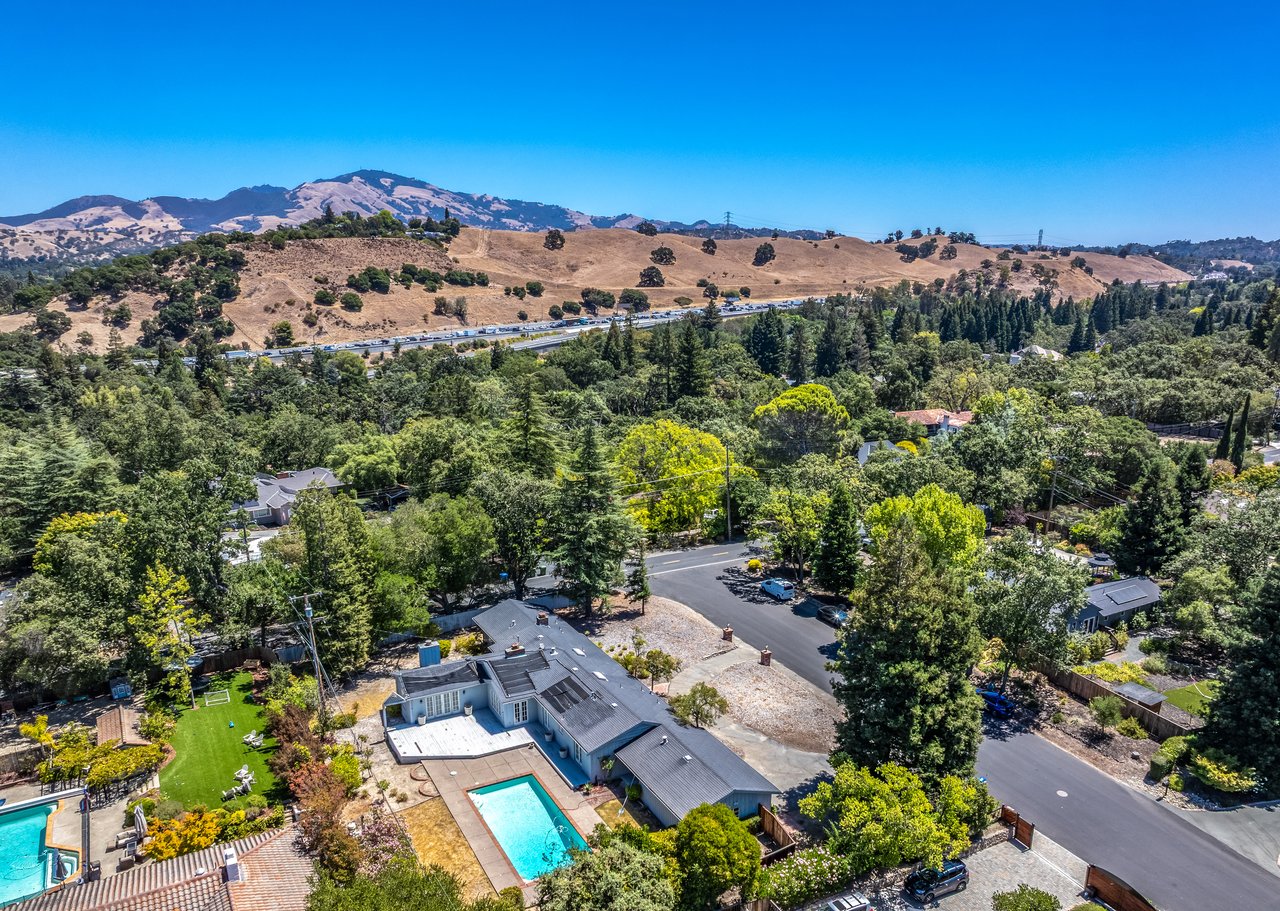
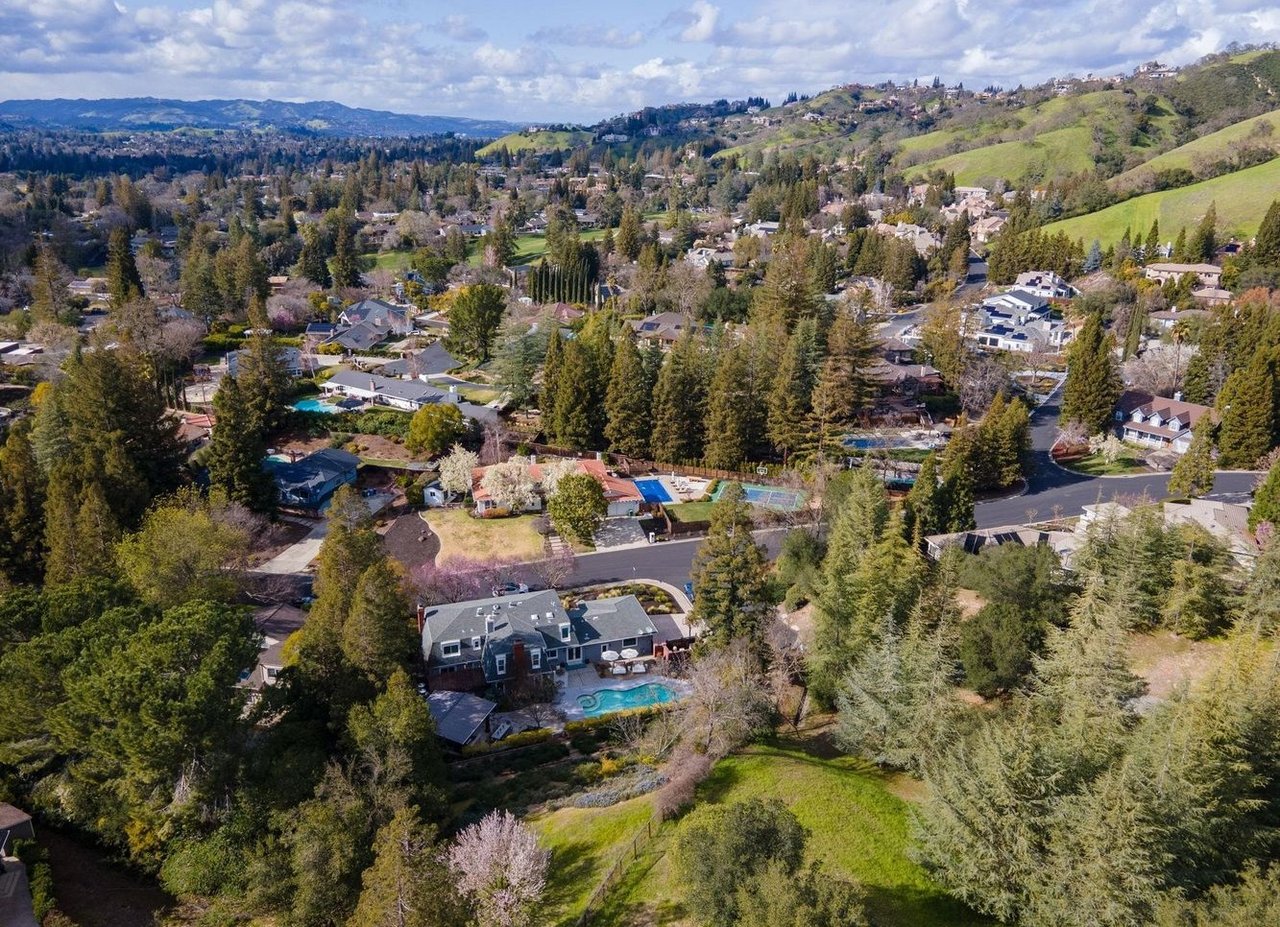
In Alamo, the grounds are part of the product, not the background. Buyers come to Alamo for privacy, outdoor living, mature trees, pools, gardens, views, and an estate-like lifestyle. The exterior cannot feel neglected.
Before the rest of the prep sequence, address: front approach and driveway condition, entry path and plantings, lawn, hedges, and trees (trimmed and healthy), mulch freshness, irrigation function, fences and gates, exterior lighting, pool and spa area presentation, outdoor furniture condition, patios and covered areas, outdoor kitchen or dining zone, sport court condition, garden areas, drainage visible from the yard, gutters and downspouts.
Mature landscaping is a genuine, non-reproducible asset in Alamo. When maintained, it signals care and justifies premium pricing. When overgrown or neglected, it becomes the first and strongest buyer objection, and it's very hard to overcome in photography or staging after the fact.
Days 25–45: Paint, Lighting, Flooring, and Cosmetic Polish
Most Alamo sellers don't need a full remodel. Most benefit significantly from targeted cosmetic updates in the four highest-leverage categories.
Paint: Fresh warm-neutral paint makes the home feel cleaner, brighter, and more current without the design risk of a full renovation. Avoid colors that are too cold, too trendy, or too personal to the seller's taste. The goal is broadly appealing, not memorable.
Lighting: Lighting changes buyer perception faster than almost any other update. Prioritize: entry fixture, dining fixture, kitchen pendants, bathroom vanity lights, hallway fixtures, exterior lights, and landscape lighting. A dated fixture makes an entire room feel older in photos and in person.
Flooring: The home should not feel tired underfoot. Evaluate worn carpet, scratched hardwood, dated tile, inconsistent transitions, stains, and baseboards. You may not need all-new flooring; refinishing hardwood, replacing carpet in high-traffic areas, and addressing transitions can often accomplish the same result at a fraction of the cost.
Hardware and fixtures: When done tastefully, small updates to cabinet hardware, faucets, mirrors, towel bars, door handles, and exterior address numbers add polish without the timeline risk of larger projects. The goal is refinement, not a quick-flip aesthetic.
Days 30–50: Inspection and System Review
Alamo homes can involve more complex property details than standard suburban properties, and buyers with resources hire thorough inspectors who know what to look for on larger, older, or hillside properties.
Depending on the property, consider a pre-listing review of the roof, pests, HVAC, sewer or septic, drainage, electrical, plumbing, chimney and fireplace, pool and spa, foundation and retaining walls, decks and exterior structures, windows, irrigation, and gates.
Not every home needs every inspection. But the seller should understand likely buyer concerns before the buyer's inspector articulates them in writing because once an inspector frames a problem, the buyer has leverage that costs more to resolve than the original fix would have.
This is especially important for homes with hillside lots, mature trees, pools, guest houses, older systems, prior remodels with unclear permits, drainage history, septic or sewer questions, retaining walls, or large outdoor spaces.
Our Ease of Sell program can fund targeted pre-listing repairs and preparation, including inspection-related fixes, with no payment due until closing. At Alamo's price points, this investment almost always produces returns well above its cost.
Days 35–55: Organize Disclosures and Records
Disclosures are not clerical busywork. In Alamo, they are a buyer-confidence tool, and the difference between a well-organized disclosure package and a vague one can mean the difference between a clean escrow and a renegotiated one.
Start gathering: roof records, HVAC service history, pest reports, pool service records, drainage repair invoices, plumbing and electrical work documentation, remodel permits, appliance and window warranties, solar documents if applicable, HOA documents if applicable, septic or sewer records if applicable, insurance claim history, landscaping improvement documentation, tree work records, contractor invoices, prior inspection reports, and general maintenance receipts.
A well-documented home feels safer. A vague home feels risky. Luxury buyers may still pay a strong price, but they want clarity, and they negotiate harder when they don't have it.
Read our full Alamo seller disclosures guide →
Days 45–60: Declutter and Edit the Home
Alamo homes often have scale, which is an advantage unless the home feels crowded, dated, or overly personal. Before staging or photography, edit: counter surfaces, bookshelves, closets, garage, storage rooms, office spaces, guest rooms, children's rooms, laundry room, pantry, outdoor furniture that's past its prime, pool toys and equipment, garden tools, holiday storage, personal photos, collections, and any oversized or dated furniture that makes rooms feel smaller or older than they are.
The buyer should not feel like they're walking through someone else's life. They should feel like they're seeing their own future. This is especially important for longtime owners, where years of accumulated personal belongings can make even a beautifully maintained home feel occupied rather than available.
The goal is not to erase warmth. The goal is to remove friction from the buyer's imagination.
Days 55–70: Stage for the Alamo Buyer Profile
Staging in Alamo should be strategic and specific, not generic. The staging should show how the home lives: entry impact and arrival, formal living and dining scale, kitchen and family room flow, home office setup, guest suite, primary suite as a retreat, bonus room with a clear purpose, indoor-outdoor connection, pool and patio presentation, outdoor dining zone, view orientation from key rooms, and garden or sport-court areas.
Larger Alamo homes can feel confusing if rooms are not clearly defined. Staging should answer the buyer's questions before they ask them: where do we gather, where do guests stay, where do we work, how does the outdoor space function, where do we entertain? If staging doesn't answer those questions, it's just furniture.
Alamo staging should not look like every other staged listing. The property's character and scale should be apparent; staging should feel current and purposeful, not dressed up.
Days 70–80: Photography, Video, and Marketing Story
Photos are the first showing. Video is often the emotional layer that bridges online interest and scheduled tours.
For Alamo homes, the visual package should capture: approach and curb appeal, entry, main living spaces, kitchen and family room connection, primary suite, office, guest spaces, indoor-outdoor connection, pool and spa, outdoor dining, lawns and gardens, views from living spaces, privacy as experienced from the outdoor areas, mature landscaping at its best, aerial context if the lot scale and privacy warrant it, and neighborhood lifestyle context.
Don't rely only on interior photos when the property's value lives substantially in the land, privacy, or outdoor living. Alamo buyers need to feel the setting, not just see the finishes.
The listing copy should not say "beautiful Alamo home on a desirable lot." That's weak. A strong marketing narrative explains specifically: why this location matters, what the lot actually offers, how the outdoor living functions, what has been updated, what lifestyle the home supports, and what makes this property different from other Alamo options at this price point.
A Westside Alamo home should not be marketed the same way as a Roundhill golf-course property. Don't market a Bryan Ranch home the same way you market a hillside estate. Specificity is what creates urgency.
Days 75–85: Final Pricing Review
Don't lock in the list price too early. The market may have shifted during the preparation period; new active listings, recent closings, or changes in buyer activity can all affect where your home should launch.
Before going live, review: newest active listings in Alamo and relevant competing markets, recent pending sales, recent closed sales with their final terms, price reductions and withdrawn listings, days on market for comparable properties, and any feedback from pre-market conversations.
Then choose the price that builds buyer confidence, not the price that sounds good or feels emotionally satisfying. The best list price makes the right buyers think "this makes sense, we need to see it" rather than "they're testing the market" or "they're dreaming."
Read our full Alamo pricing strategy guide →
Days 85–90+: Launch Plan and Offer Strategy
Before going live, decide: showing schedule and availability, open house strategy, broker tour timing, when disclosures are made available to buyers, whether to set an offer review date, how to handle early offers, ideal closing timeline, rent-back needs, minimum acceptable terms, preferred buyer profile, and how to compare price against certainty in a multiple-offer situation.
The best offer for an Alamo seller is rarely just the highest number. Terms matter significantly: financing strength and lender quality, proof of funds, appraisal risk and any gap coverage, inspection contingency terms and posture, closing timeline, rent-back flexibility, and the buyer's demonstrated motivation and likelihood of closing. A strong launch creates interest. A strong offer strategy converts that interest into the right outcome.
Neighborhood-Specific Prep Priorities
Westside Alamo: Mature landscaping polish, older-home documentation, drainage clarity, privacy presentation, outdoor living, proximity to Danville and Alamo conveniences highlighted in marketing, and an updated-but-warm presentation that makes established character feel current rather than dated.
Roundhill: Country-club lifestyle staging, golf-course or view orientation in photography, exterior polish, outdoor entertaining presentation, pool and spa in top condition, landscaping maintained to luxury standard, and floor plan clarity for formal and informal entertaining spaces.
Stonegate: Privacy and lot quality front-and-center, estate feel emphasized in staging and photography, outdoor living clearly presented, systems documented, strong wide-angle photography that captures the scale of the property, and a marketing narrative that explains why this specific lot and setting are special.
Bryan Ranch: Stone Valley-area convenience highlighted, lot usability shown clearly, condition and remodel quality documented, mature landscaping maintained, maintenance records organized, and family-lifestyle presentation that explains the specific property's advantages since homes here vary considerably.
Hillside and estate properties: Views photographed from the rooms where buyers experience them daily, privacy demonstrated rather than described, drainage and retaining wall documentation organized, driveway access and grade addressed, insurance clarity provided proactively, outdoor living staged and photographed as a primary value driver, and aerial photography if the lot scale and setting warrant it.
What to Avoid
Don't rush to market. Rushed listings produce weaker photos, weaker preparation, more buyer objections, more inspection surprises, and ultimately more negotiation. The time spent preparing correctly almost always costs less than the money lost by listing unprepared.
Don't over-remodel. A full remodel before selling is not always smart. Targeted preparation to the right pricing lane almost always produces better returns with less risk.
Don't ignore the grounds. In Alamo, the exterior and landscaping are part of the product. Neglected grounds undermine every interior improvement you've made.
Don't rely on the address alone. Alamo creates buyer interest. The specific property earns the offer.
Don't hide issues. Disclose clearly. Luxury buyers can handle imperfections; they cannot handle surprises, and surprises discovered mid-escrow always cost more than honest disclosure would have.
Don't price emotionally—price to create buyer action, not seller comfort.
FAQ
How early should I start preparing to sell my Alamo home?
Ideally 60–90 days before your target list date. Larger homes, properties with extensive landscaping, hillside properties, older homes with complex disclosure histories, and homes needing meaningful repairs should start at the 90-day mark or earlier.
Do I need to remodel before selling in Alamo?
Rarely a full remodel. Most Alamo sellers need targeted preparation: paint, lighting, flooring, landscaping, staging, cleaning, minor repairs, and inspection-risk fixes rather than comprehensive renovation. The goal is to improve buyer perception and reduce objections, not build the next owner's dream home.
What matters most when selling in Alamo?
Pricing discipline, lot quality and privacy presentation, outdoor living condition and staging, landscaping, condition transparency through organized disclosures, and strong photography and video. These factors determine whether your home creates week-one urgency or develops a stale-listing perception.
Should I do pre-listing inspections in Alamo?
For most Alamo properties, especially older homes, hillside properties, homes with pools, homes with drainage history, and homes with prior remodels, yes. Pre-listing inspections let you control the narrative by addressing issues on your timeline, not the buyer's.
Is staging worth it for an Alamo home?
Yes, particularly for larger or vacant homes where buyers can struggle to understand scale, flow, and lifestyle without guidance. Staging is also especially valuable for outdoor spaces in Alamo; the outdoor living areas often need staging as much as the interior does.
What's the biggest mistake Alamo sellers make?
Waiting too long to prepare. Luxury buyers notice details, and rushed listings with weaker photographs, incomplete disclosures, and unaddressed buyer objections consistently produce worse outcomes than well-prepared ones.
Thinking about selling your Alamo home in the next 90 days?
The Frazzano Tse Team will map your pricing lane, preparation priorities, repair strategy, staging plan, launch timing, and the improvements most likely to drive a strong buyer response before you spend a dollar on preparation.
Get your free Alamo home valuation →
Learn about our full seller process →
See how Ease of Sell funds targeted preparation →
Talk to us directly →