Who this is for: Alamo homeowners preparing to list who want to understand how luxury home pricing actually works in a small, high-end, property-specific market and why the approach that works in San Ramon or even most of Danville will not produce the same results here.
The decision you're trying to make: Not "what is my home worth in Alamo"; that's a valuation question. The pricing question is: at what number does your specific home generate the most qualified buyer attention, create the right level of urgency, protect your negotiating leverage, and reflect the property's honest position in the current competitive set? In Alamo, these numbers often differ, and the gap between getting it right and getting it wrong is significant.
Why our team has authority: The Frazzano Tse Team has worked in Alamo, Danville, and the Diablo Valley luxury market for over 50 years with $2.7 billion in career sales. We've priced and sold homes in every Alamo micro-market across multiple market cycles. We know the difference between a home that earns its Alamo premium and one that assumes it, and we know which mistake is more expensive.
What you'll know by the end: Why Alamo pricing requires a different framework than standard suburban markets, the four pricing lanes every Alamo home falls into, the six factors that most affect Alamo price, why overpricing is particularly damaging in a small luxury market, how to read the market signals that tell you whether pricing is working, and neighborhood-specific guidance for Westside, Roundhill, Stonegate, Bryan Ranch, and hillside properties.
Why Alamo Pricing Is Different
In many markets, sellers can lean heavily on recent comparable sales and price-per-square-foot analysis. In Alamo, comps matter, but they require interpretation that goes well beyond the spreadsheet.
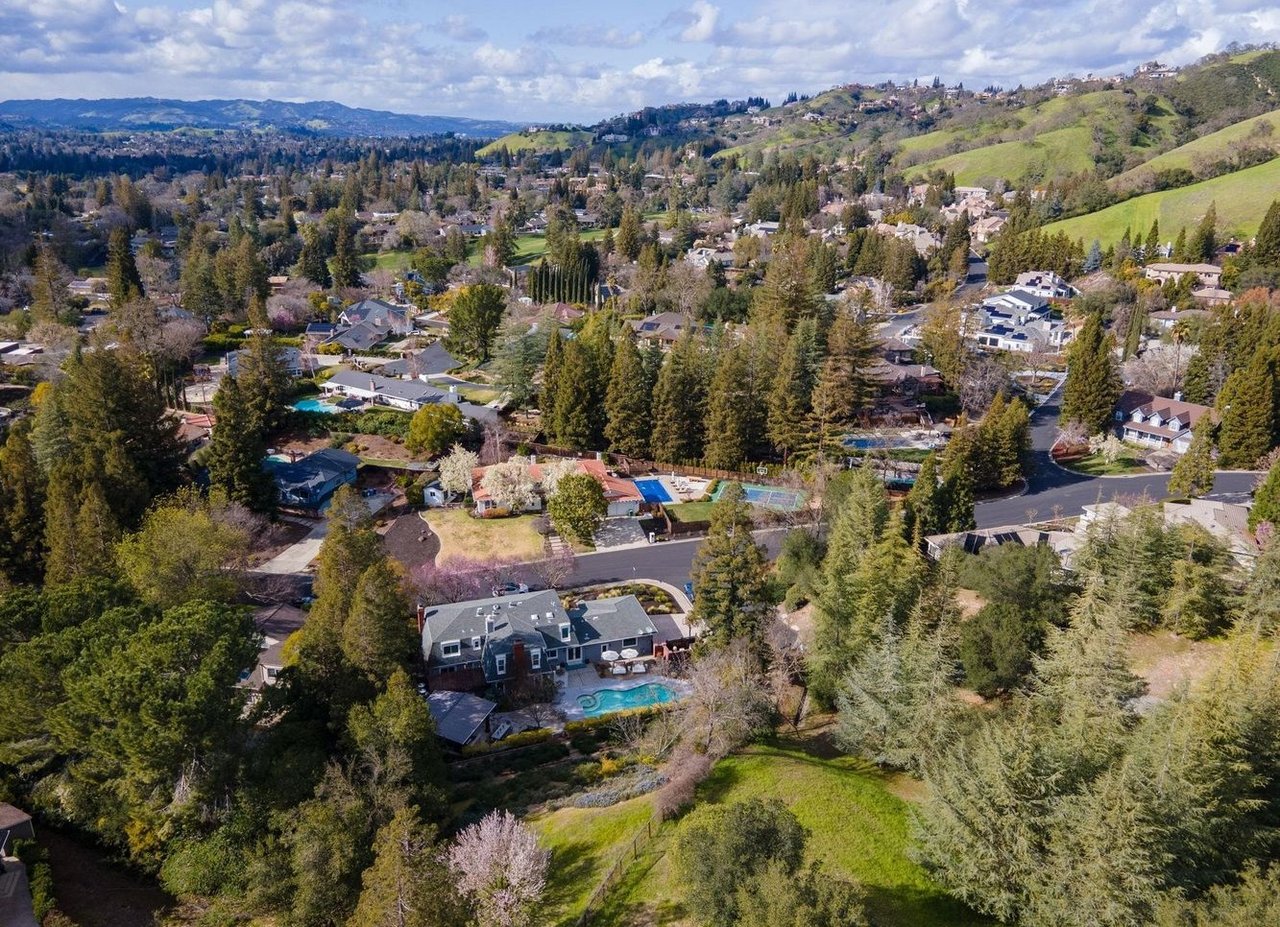
Two homes may both carry Alamo addresses, both be 4,500 square feet, and both sit on comparable lot sizes. But one may have a private, flat yard; updated kitchen and baths; newer systems; polished landscaping; clean outdoor living; clean disclosures; and a quiet location. The other may have a sloped yard, dated interiors, an aging roof, drainage questions, tired landscaping, unclear permit history, limited usable outdoor space, and more road noise.
Those homes should not be priced the same. Alamo buyers don't compare numbers in isolation; they compare lifestyle, condition, risk, and emotional confidence. The price that works for one property can make the other unsellable at any reasonable timeline.
The most common Alamo pricing mistake is assuming "because this is Alamo, buyers will pay a premium." They will, but only if the home gives them a reason. Alamo creates interest. The property earns the price.
The Four Pricing Lanes
Before setting any specific number, identify which pricing lane your home honestly belongs in. This is the most important pre-pricing decision, and sellers are most likely to get it wrong by placing themselves in a stronger lane than their property supports.
Lane 1: Fully Updated, Premium-Positioned
These homes can justify the strongest pricing because buyers see fewer objections. They typically have: an updated kitchen aligned with current buyer expectations, updated bathrooms, current flooring throughout, strong lighting, polished landscaping, strong curb appeal and entry, meaningful outdoor living with pool and entertaining areas, maintained and documented systems, clean disclosures, quality staging, and either strong privacy or exceptional lot quality.
Even fully updated homes need pricing discipline. Luxury buyers will pay for excellence; they won't overpay when confidence isn't clearly supported by what they see.
Lane 2: Well-Maintained but Not Fully Remodeled
This is the most common Alamo category. The home may be clean, well-loved, and carefully maintained but not completely current. It may have an older but functional kitchen, partially updated bathrooms, good floor plan bones, mature landscaping, decent systems, some dated finishes, and strong lot or location fundamentals.
This lane can perform well when priced honestly. The key is positioning the home accurately: a quality Alamo property with room for personalization, not a turnkey luxury remodel. Buyers respond when the price leaves room for improvements they'll want to make anyway.
Lane 3: Cosmetic Refresh Needed
These homes may have strong location or lot value but need visible updates: tired paint, dated lighting, worn carpet, scratched floors, older fixtures, heavy window coverings, dated kitchen or baths, weak landscaping, or older exterior paint.
This is where targeted preparation can create the most leverage. Paint, lighting, flooring, cleaning, staging, and landscaping refresh can genuinely move a home from "project" to "opportunity." The danger is pricing as if buyers will overlook the work; they won't.
Lane 4: Major Project or Land-Value-Driven
Some Alamo homes need significant investment: major remodeling, old roof, aging HVAC, foundation concerns, drainage problems, dated floor plan, major exterior work, pool renovation, old windows, extensive landscaping reconstruction, septic or sewer questions, or permit uncertainty.
These homes can still sell well, especially when the lot, location, or privacy is compelling. But they need project pricing. Buyers taking on a major Alamo project calculate risk, cost, time, and margin. They will not pay finished-home pricing for an unfinished-home experience.
The Six Factors That Most Affect Alamo Pricing
1. Lot Quality
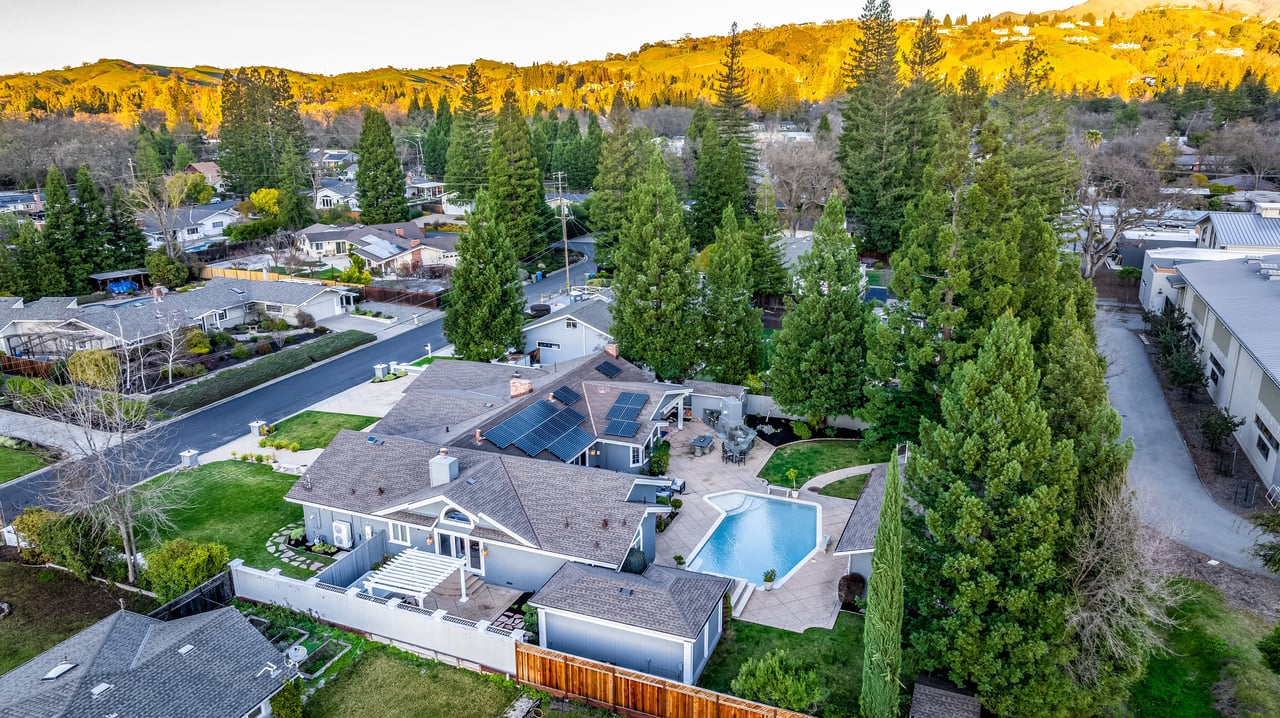
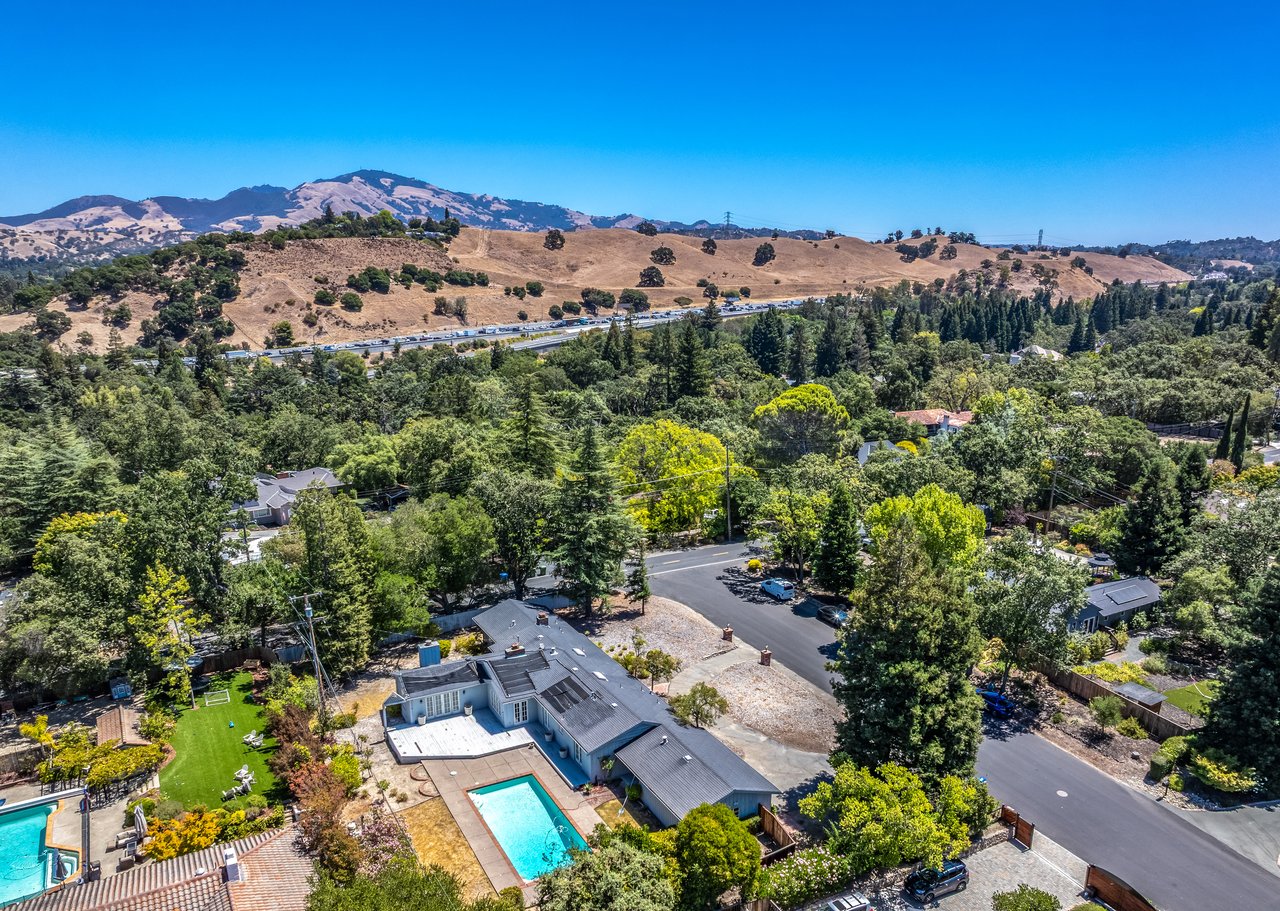
In Alamo, the lot can be as important as the house, sometimes more so. Buyers evaluate: flat usable space versus slope, driveway approach and arrival experience, outdoor entertaining zones, pool and spa area, sport court potential, guest parking, mature landscaping and tree placement, sun exposure, noise profile, neighbor exposure, and drainage. A smaller but highly usable, genuinely private lot can be worth significantly more than a larger lot with extensive slope, awkward outdoor space, or poor drainage—price by usability, not by acreage.
2. Privacy
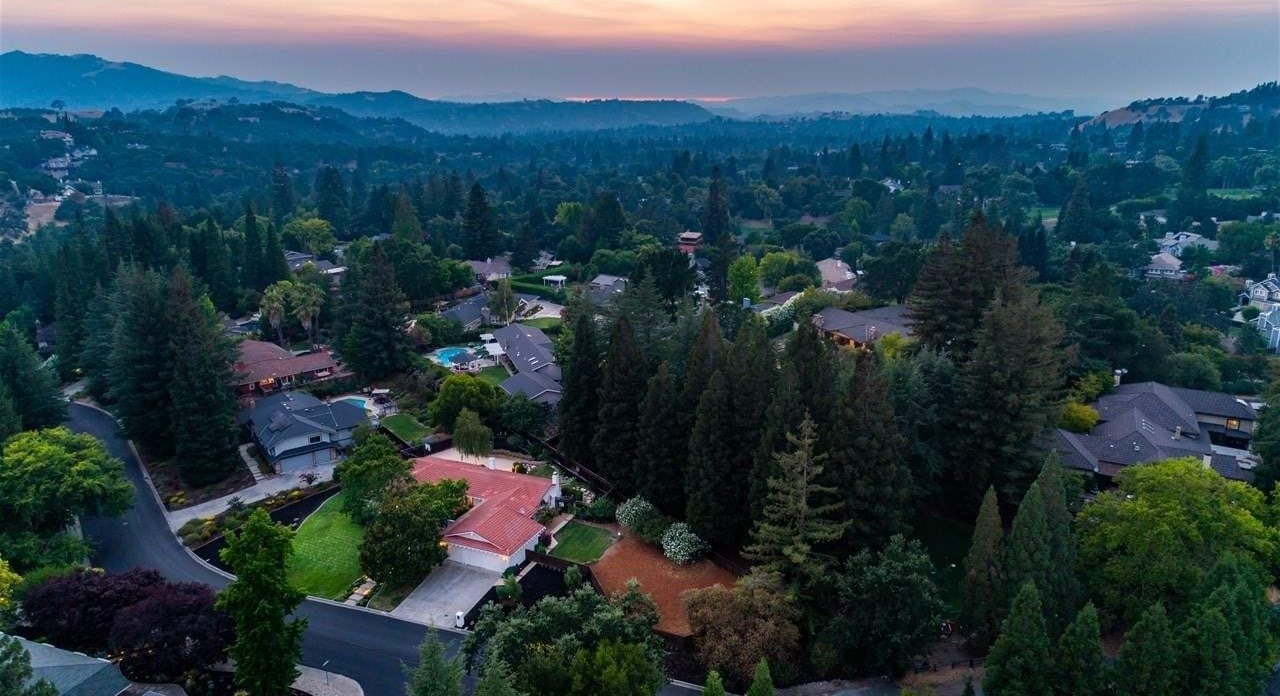
Privacy is one of Alamo's biggest value drivers; it's a primary reason buyers choose Alamo over every neighboring market. A home that genuinely delivers privacy can command a meaningful premium. But privacy needs to be real and immediately demonstrable. Buyers will stand in the backyard, look in every direction, and form a strong impression within minutes. If the listing says "private" but the outdoor space is visible from three neighboring properties, the market will correct that at your expense.
3. Outdoor Living
Outdoor living is central to Alamo buyer expectations at most price points. They may want: pool and spa in good working condition, covered patio or loggia, outdoor kitchen, usable lawn, garden areas, firepit or lounge zone, sport court potential, guest house or ADU, views, mature landscaping, and strong indoor-outdoor flow from main living areas. A home with exceptional outdoor living stands out. A home with weak or neglected outdoor space may need a more careful pricing strategy, especially above $3M, where buyer expectations for grounds are high.
4. Condition and Updates
Condition affects price directly and disproportionately in luxury markets. Buyers judge kitchen quality, bathroom updates, flooring consistency, paint and lighting, roof age, HVAC service history, windows, plumbing, electrical, drainage, pest and dry rot, exterior paint, pool and spa systems, and landscaping. A home can be older and still price strongly when it's maintained and well-presented. A larger or newer home can underperform when it feels neglected. Condition creates confidence. Confidence creates stronger offers.
5. Floor Plan and Livability
Square footage is necessary but insufficient as a pricing variable. The floor plan needs to work for how buyers actually live. Alamo buyers care about: primary suite quality and separation, bedroom placement and privacy, guest suite or multigenerational flexibility, kitchen and family room connection, formal living usability, indoor-outdoor flow, ceiling height and natural light, garage access and storage, and ADU or guest-house potential. A large home with awkward flow and dated rooms can be worth less than a smaller home that lives beautifully. Price by livability.
6. Micro-Location Within Alamo
Alamo's internal micro-markets Westside, Roundhill, Stonegate, Bryan Ranch, White Gate, and hillside estate pockets attract different buyer profiles and carry different price expectations. Westside Alamo typically commands the strongest medians because it combines mature lots, character, and proximity to Danville. Roundhill runs at a somewhat lower median, reflecting a more specific buyer profile centered on a country-club lifestyle. Estate and hillside pockets carry premiums when setting is exceptional and discounts when complexity creates buyer hesitation.
Price your home against the specific micro-market it competes in, not against the Alamo address in general.
Why Overpricing Is Particularly Damaging in a Small Luxury Market
Some sellers believe "we can always reduce later." That's technically true. But in a small, high-end market like Alamo, the cost of overpricing is higher than in larger markets for a specific reason: luxury buyers are patient, and they track listings.
Alamo doesn't have the transaction volume of San Ramon or Danville. Serious luxury buyers and their agents know what's available, how long it's been on the market, and the original list price. A listing that sits for 45 days and takes a price reduction doesn't just cost the seller time; it signals to the market that something was wrong, which makes subsequent buyers negotiate harder even after the correction.
Overpricing causes: fewer showings in the critical first week, weaker buyer urgency, longer days on market, more price reductions, lower perceived desirability, more aggressive negotiation when buyers do engage, and the stale-listing perception that's very difficult to reverse in a thin market.
The goal is not to price low. The goal is to price with credibility at a number that makes the right buyers think "this makes sense, we need to see it" rather than "they're testing the market" or "they're dreaming."
When Strategic Underpricing Can Work and When It Can't
Pricing below where comparable sales would indicate can create multiple-offer urgency in some situations. But this strategy requires careful evaluation in Alamo specifically.
Strategic underpricing may work when: the home has broad appeal, the lot and condition create genuine competition, multiple qualified buyers are likely to engage simultaneously, and the seller's goal is certainty and speed over maximum price extraction.
It's risky when: the home is highly unique, and the buyer pool is narrow, luxury demand is thinner at the specific price point, the property needs a very specific buyer type, or the market doesn't have the transaction velocity to generate competing interest quickly. In Alamo, not every home should be priced for a bidding war. Some should be priced for the right qualified buyer at the right number.
What to Do Before Setting the Price
Walk through like a buyer, not like the owner. What looks dated? What feels expensive to fix? What would the buyer's inspector flag? Does the yard feel private when you stand in it and look around? Does the price match what you honestly see? Sellers often see memories; buyers see cost. You need to see both.
Review current competition, not just sold comps. Buyers are choosing from what's available now. Active listings and recently pending homes are your actual competition. What do they offer at similar prices? How do your condition, lot, and outdoor living compare? Your home doesn't compete against past sales alone; it competes against today's alternatives.
Decide what preparation will change the pricing lane. A targeted $25,000–$75,000 prep plan paint, lighting, flooring, landscaping, pool servicing, cleaning, staging may genuinely move a home from Lane 3 to Lane 2, which can support meaningfully different pricing. A $250,000 custom remodel driven by personal taste rarely produces the same pricing leverage. The goal is market response, not emotional satisfaction.
Build a pricing range before choosing the number. Consider: the aspirational number where you'd be thrilled, the credible market number where buyers feel the value, the urgency number that creates competitive interest, and the likely buyer response to each. The final list price should be intentionally chosen based on your timing, condition, competition, and strategy, not emotion.
Plan the first two weeks before going live. A pricing strategy without a launch strategy is incomplete. Before listing, decide: showing plan and availability, open house timing, broker tour, video and digital marketing deployment, offer review process, feedback collection system, and what signals in week one indicate the price is right versus what signals indicate it needs review.
Reading the Market's Response
Signs your price is working: strong online activity translating into showing requests, serious buyer questions from qualified buyers, agent inquiries about terms and timing, second showings, disclosure package requests, positive feedback that specifically affirms value, offer conversations forming within the first two weeks.
Signs your price is too high: low showing activity despite online views, no second showings, feedback that consistently describes the home as "beautiful but overpriced," agents asking whether the seller is flexible before scheduling showings, competing listings going pending. Meanwhile, yours sits, with open house traffic that's casual rather than serious.
In Alamo, listen to the market early. Waiting 45 days to acknowledge a pricing problem doesn't preserve leverage; it eliminates it.
Neighborhood-Specific Pricing Guidance
Westside Alamo: Commands a premium for location, mature lots, and Danville proximity, but buyers still scrutinize condition and lot usability. Price around: privacy, proximity to conveniences, lot quality, mature landscaping, updates, drainage clarity, older-home maintenance documentation, and outdoor living quality.
Roundhill: Pricing should account for the golf-course or country-club setting, views, privacy, lot quality, home size, condition, outdoor living, and remodel quality relative to comparable Roundhill homes and competing East Bay golf-course communities, including Blackhawk and The Bridges. Don't assume every Roundhill address commands the same premium; the specific lot and condition determine whether the setting premium is warranted.
Stonegate: Emphasis on estate feel, privacy, lot quality, outdoor living, mature landscaping, and buyer confidence in the home's condition and documentation. A well-maintained Stonegate property with strong privacy and outdoor living can command significant premiums; a Stonegate property with deferred maintenance needs to be priced around the project reality.
Bryan Ranch: Requires property-specific analysis because homes vary widely. Price around: lot size, privacy, condition, remodel quality, outdoor usability, driveway and access, maintenance history, and buyer demand for Stone Valley-area established homes.
Hillside and estate properties: Need careful pricing around views and their protection, slope, access for daily use and emergency vehicles, privacy from neighboring properties despite elevation, drainage and retaining wall history, insurance costs and availability, usable versus total land area, outdoor living potential, and the uniqueness premium versus the complexity discount. Unique homes can sell exceptionally well with the right buyer and the right positioning, but unique homes also require patience and a more targeted marketing approach.
What Buyers Are Really Pricing In
Buyers don't only price the list price. They also mentally price: future repairs and their cost, inconvenience and time, insurance premiums, remodeling and design decisions, landscaping and pool maintenance, outdated finishes they'll want to replace, risk and uncertainty, and long-term resale. That's why a seller may think "the kitchen only needs updating" while the buyer thinks "kitchen, baths, flooring, lighting, paint, landscaping, systems this is a significant project." Anticipating the buyer's mental math and pricing to address it honestly is what separates listings that sell cleanly from listings that sit and reduce.
FAQ
How do I price my Alamo home accurately?
Price based on your specific neighborhood, lot quality, privacy, condition, updates, outdoor living, views, systems, landscaping, school assignment, current competition, and recent comparable sales. Alamo is too property-specific for a generic price-per-square-foot approach.
Why do Alamo home values vary so much?
Alamo homes vary widely by lot, privacy, condition, updates, outdoor living, views, slope, and micro-neighborhood. A few significant luxury sales in any given quarter can also move aggregate numbers substantially because Alamo is a small, thin market. Property-specific pricing matters far more than any headline figure.
Should I price high and reduce later?
Generally no, and especially not in a small luxury market where buyers track listings and know how long properties have been available. Overpricing reduces first-week urgency, weakens buyer confidence, increases days on market, and can create a stale-listing perception that's hard to reverse even after a price reduction.
Is price per square foot useful in Alamo?
It provides context but should not drive the strategy. Price per square foot doesn't capture privacy, lot usability, outdoor living, views, condition, or remodel quality, which are often the most significant value drivers in Alamo.
What makes an Alamo home command a premium?
Premium pricing is supported by strong location, genuine privacy, usable lot, updated condition, meaningful outdoor living, mature landscaping, views, clean disclosures, and strong presentation that makes the value immediately obvious to a qualified buyer.
What's the biggest pricing mistake Alamo sellers make?
Pricing as if the Alamo address earns the premium rather than letting the specific property earn it. Luxury buyers will pay for genuine quality; they will not compromise simply because the neighborhood is desirable.
Thinking about selling your Alamo home?
The Frazzano Tse Team will evaluate your home's lot, privacy, condition, outdoor living, updates, micro-market position, and current buyer demand, and build a pricing strategy that creates the right combination of urgency and confidence before you list.
Get your free Alamo home valuation →
Browse Alamo and Diablo Valley listings →
Learn about our seller process →
Contact us directly →