Who this is for: Buyers considering Bryan Ranch who are comparing it to Westside Alamo, Roundhill, Stonegate, or White Gate and want to know what the neighborhood delivers beyond the address; also for current Bryan Ranch owners planning to sell who need to position a 1980s-era home on a generous lot in a very small, thin market.
The decision you're trying to make: Not "is Bryan Ranch a good neighborhood?" It is, for the right buyer. The real decision is whether this specific home, on this specific lot, with this slope, privacy, update level, and maintenance profile, justifies its price. For sellers, the decision is how to price and present a property when a neighborhood median tells buyers almost nothing and every home has to make its own case.
Why our team has authority: The Frazzano Tse Team has worked in Alamo, Danville, and the Diablo Valley for over 50 years, with $2.7 billion in career sales. We are the #1 Compass Concierge Team for 2020-2025. We know how much Bryan Ranch properties vary from one address to the next, and we know what buyers at this price point scrutinize in lots, systems, and documentation.
What you'll know by the end: What Bryan Ranch is and how it differs from neighboring pockets, how to separate lot size from lot usability, the due diligence priorities for a hillside-influenced 1980s neighborhood, why neighborhood pricing data is unreliable here, and what sellers should fix, skip, or price around.
Where Bryan Ranch Fits in Alamo
Bryan Ranch sits in eastern Alamo near Stone Valley Road and the foothills around Mount Diablo. The original development dates primarily to the early-to-mid 1980s, with neighboring Bryan Terrace and Bryan Meadow built in related but distinct phases.
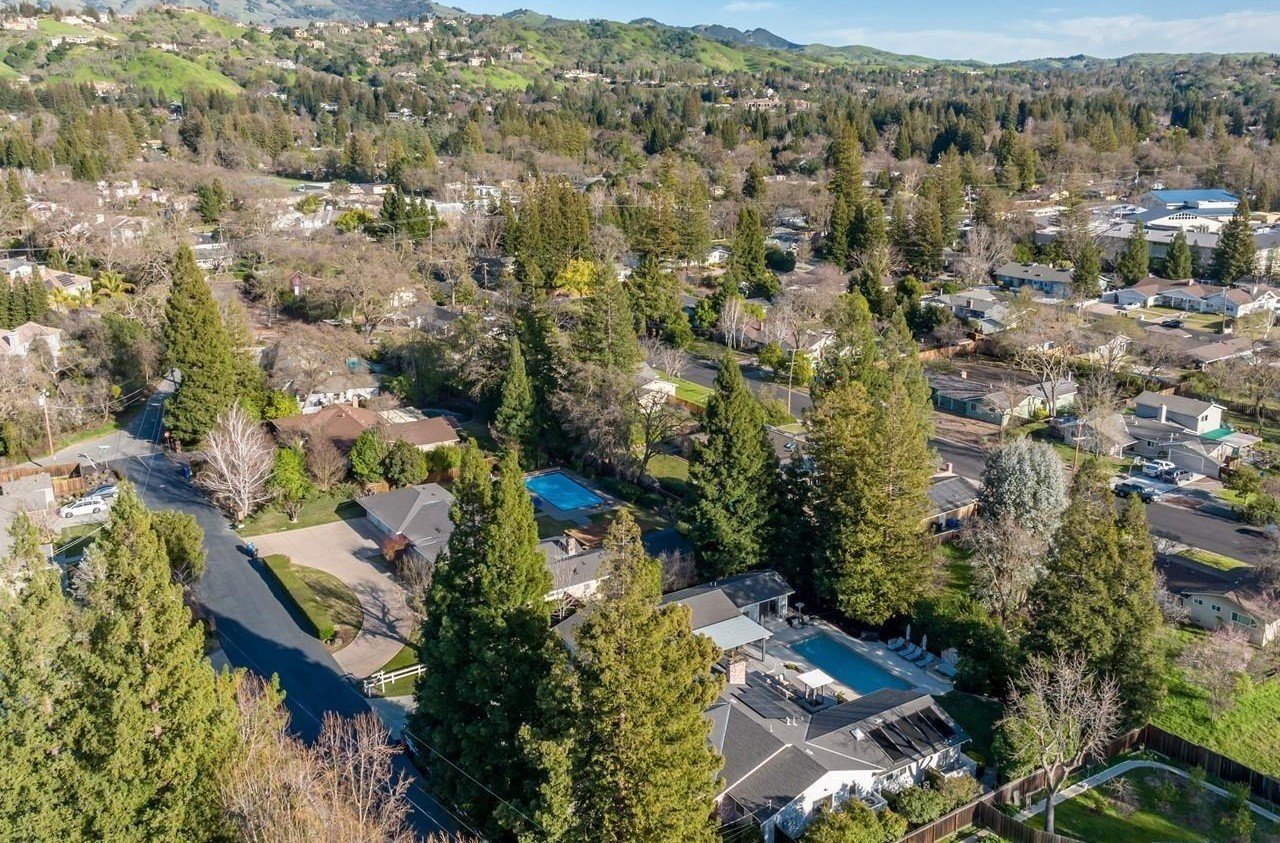
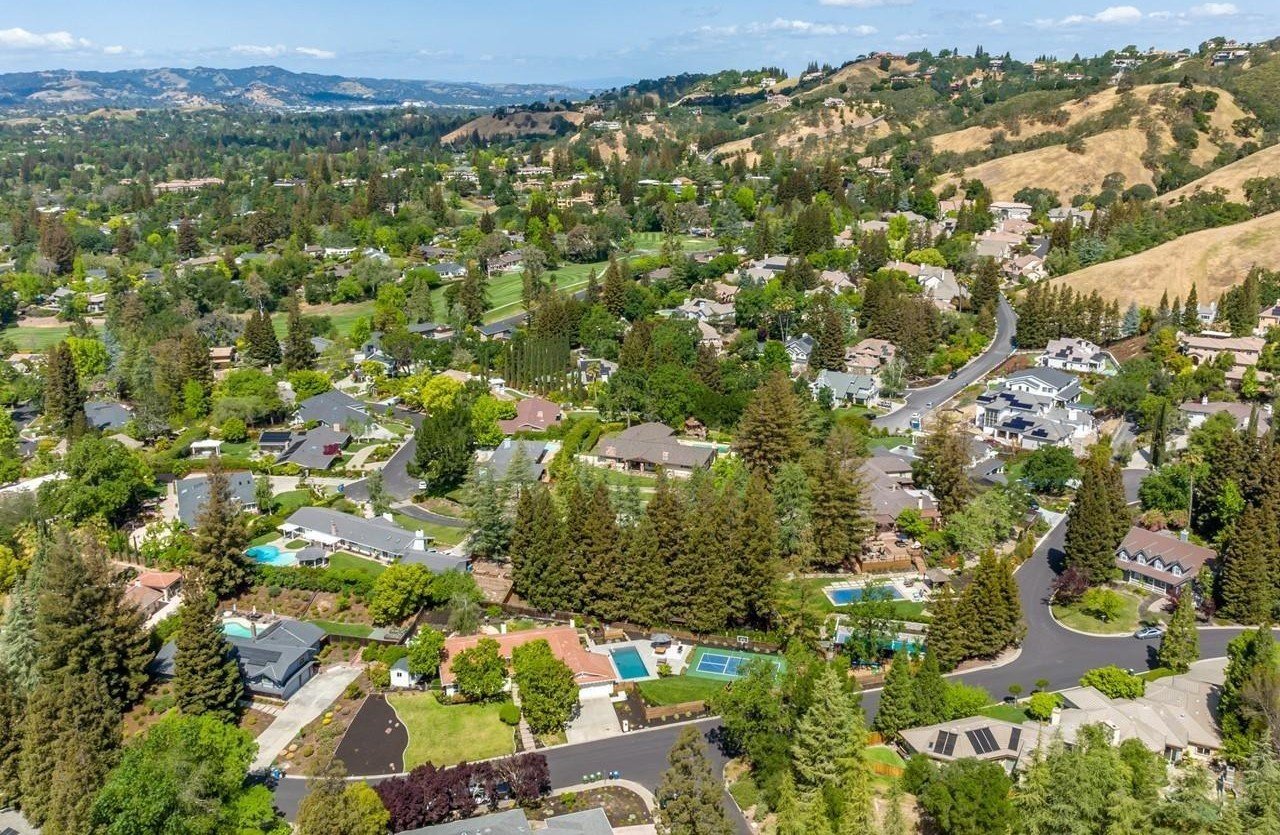
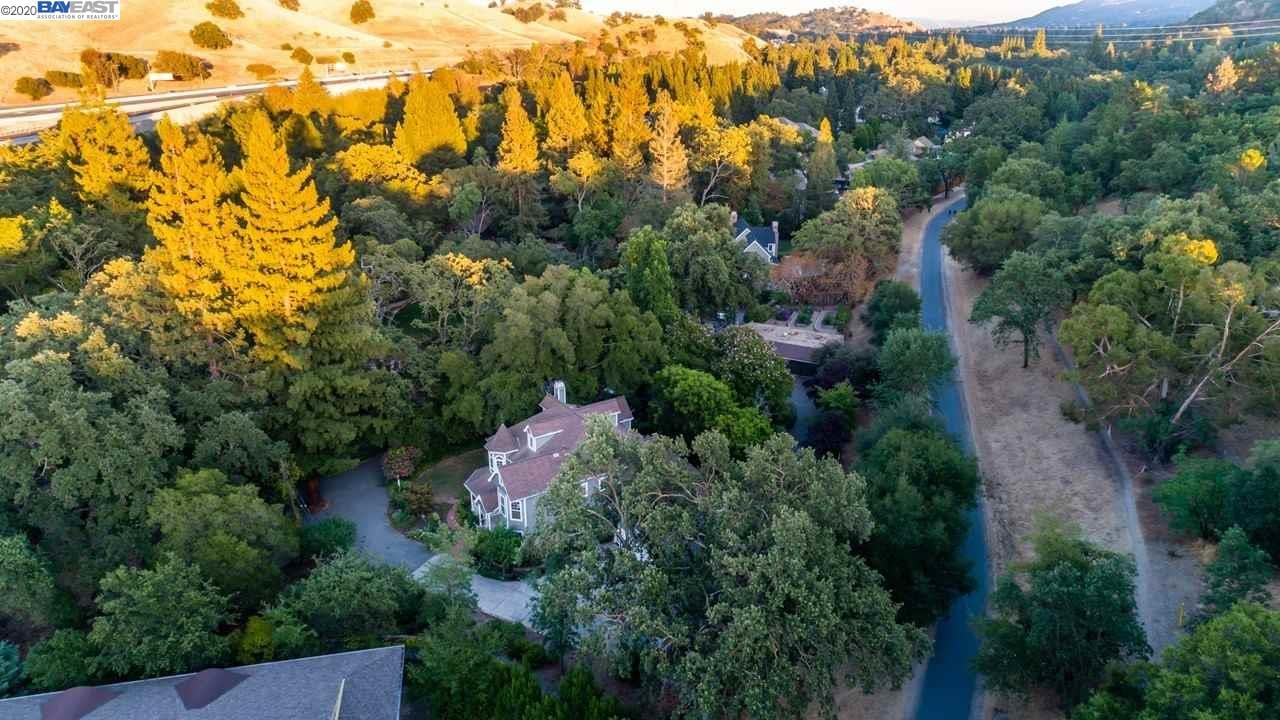
The setting defines the neighborhood. Instead of a dense tract environment, Bryan Ranch offers oak-studded surroundings, established landscaping, rolling terrain, and a sense of connection to nearby open space. Compared with Westside Alamo, which is prized for convenience and proximity to Danville, Bryan Ranch is about land and setting. Compared with Roundhill, it has no country-club identity. Compared with Stonegate, it has no single gated-community structure, though some properties have HOA arrangements.
The surrounding neighborhoods are related but not interchangeable. Bryan Terrace generally has smaller homes and lots than the original Bryan Ranch. Bryan Meadow is a later phase with larger homes. Compare them by exact address, never by name.
What the Homes Are Like
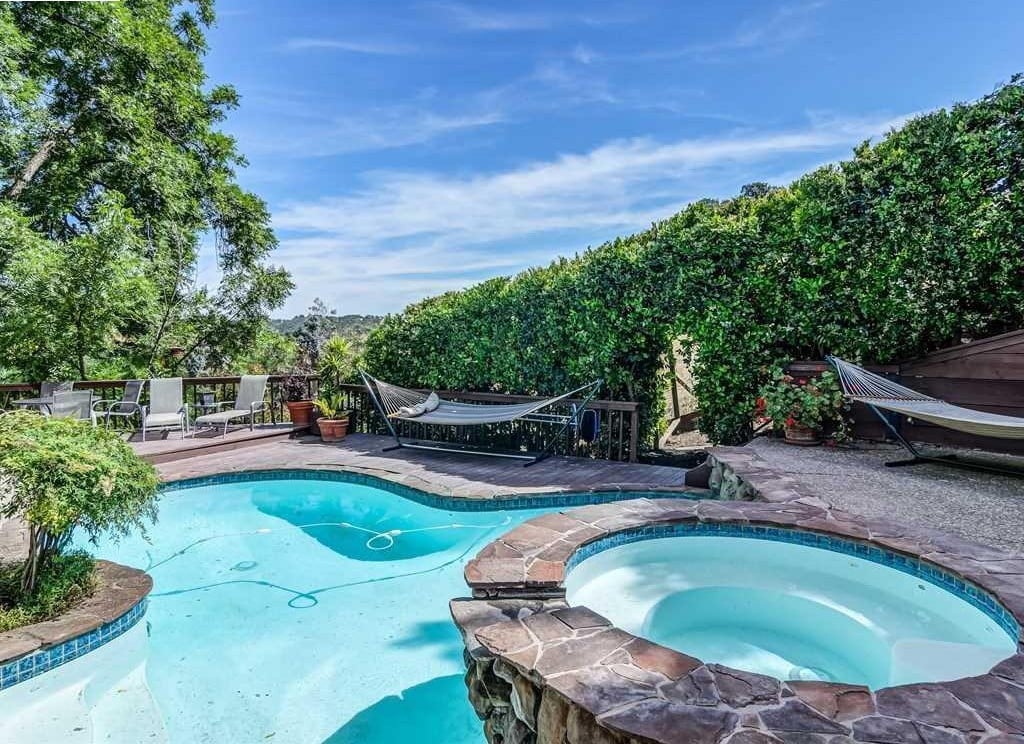
Bryan Ranch is primarily single-family. Original homes commonly range from roughly 2,500 to 4,000 square feet, often on lots of about one-third to one-half acre, with some larger parcels. Depending on the property, buyers may find single-story and two-story layouts, four- and five-bedroom plans, formal living and dining rooms, separate family rooms, fireplaces, large primary suites, three-car garages, pools and spas, patios, and mature gardens.
Many original homes are now about 40 years old, and owners have maintained and updated them to very different standards. One may have a remodeled kitchen and newer systems. The house next door may have original cabinetry, older bathrooms, and a traditional floor plan. A third may have extensive outdoor improvements and a dated interior. That variation creates opportunity for buyers and makes accurate pricing harder for sellers.
Lot Size vs. Lot Usability: The Core Bryan Ranch Question
A larger lot is not automatically a better lot. Consider two properties. The first sits on a half-acre with a flat backyard, mature landscaping, a pool, and several usable outdoor areas. The second has more acreage on paper but more slope, little flat space, and heavy maintenance demands. The first may deliver far more functional outdoor living.
Before writing an offer, evaluate:
- Flat lawn and entertaining space
- Pool and spa placement
- Patio usability and sun exposure
- Rear-neighbor and upstairs-window sightlines
- Retaining walls and drainage paths
- Tree placement relative to the house and yard
- Driveway grade and guest parking
In Bryan Ranch, usable land is worth more than additional land that is difficult to enjoy.
Hillside Considerations: Not Every Lot, But Know Which Ones
Terrain changes from parcel to parcel. Some Bryan Ranch properties have relatively level building pads. Others combine a level pad with substantial slopes elsewhere on the parcel. Don't assume a lot is level or hillside based on the neighborhood name.
Where slope exists, inspect:
- Drainage: how water moves across the lot and around the foundation
- Retaining walls: movement, cracking, drainage behind them, and maintenance history
- Foundation and settlement: cracks, prior repairs, sticking doors
- Trees: root systems, proximity to structures, and trimming needs
- Driveway access: steepness, drainage, and daily practicality
- Insurance: get a property-specific quote early, including any wildfire-related requirements
A hillside setting can deliver views and separation from neighbors. Buyers need to understand the responsibilities that come with it.
Outdoor Living and Nearby Recreation
Outdoor space drives much of Bryan Ranch's appeal, but not every buyer wants a pool or a half-acre to maintain. Evaluate outdoor features for usability and ongoing cost. The same goes for pool equipment age, irrigation, hardscape condition, outdoor lighting, and tree maintenance.
The area also connects to regional recreation. The East Bay Regional Park District identifies the Las Trampas to Mount Diablo Regional Trail as running through residential and open-space areas near Stone Valley Road and Macedo Ranch, with rolling hills, oaks, and scenic outlooks. Macedo Ranch Staging Area and Oak Hill Park are among the local access points. Convenience depends on the property's exact location and access route.
Schools
Bryan Ranch is within the San Ramon Valley Unified School District. Records associate certain addresses with Green Valley Elementary, Los Cerros Middle School, and Monte Vista High School, but that does not guarantee current assignment. School assignment is address-specific and can change with enrollment capacity. Use the district's school locator for the exact address before making an offer. SRVUSD →
Commute and Daily Convenience
Bryan Ranch offers quiet streets and natural surroundings, and the tradeoff is driving. Most errands involve a car: Alamo shopping, downtown Danville, Walnut Creek, schools, and I-680. Because Bryan Ranch sits toward the eastern end of the Stone Valley Road area, the drive from a specific home to major roads can be longer than a map suggests. Drive your real routes at your real times.
Why Neighborhood Pricing Data Is Unreliable Here
Bryan Ranch is small. At any given time, there may be one active listing or none, and only a handful of sales in a year. One or two transactions can swing any neighborhood median, so automated valuations and price-per-square-foot comparisons are weak tools here. Past sales in this neighborhood have landed in the high-$2M to low-$3M range, but those are historical data points, not current valuations.
What actually determines a Bryan Ranch home's value:
- Exact location and lot usability
- Single-story versus multi-level layout
- Interior condition and renovation quality
- Privacy and views
- Pool and outdoor amenities
- Age of roof, HVAC, windows, and plumbing
- Landscaping condition
- HOA obligations, if any
- Current competition and recent comparable sales
Two homes with the same square footage can sell at very different prices because one has the better lot, floor plan, or condition. Price the property, not the neighborhood median.
HOA Status: Verify by Address
Bryan Ranch and neighboring subdivisions are often grouped in online descriptions, which can be confusing; property association dues, including greenbelt-related assessments and others, may not be. Do not assume. For any property, confirm whether an HOA exists, the current assessment and payment frequency, what the association covers, architectural restrictions, reserve funding, and any special assessments. Sellers who gather this before listing remove a common source of buyer hesitation.
What Buyers Should Watch
Older-home systems. At roughly 40 years old, original homes need careful review of the roof, HVAC, plumbing, electrical, windows, water heater, pest and dry rot, and exterior materials. A well-maintained 1980s home can be excellent, but buyers should price the expected replacement costs.
Renovation quality. Look past finishes. Ask about permits, contractor documentation, installation quality, and whether major systems were upgraded alongside cosmetics.
Lot privacy. A generous lot only helps if the layout works. Check neighboring windows, fence placement, landscaping, and road exposure.
Hillside maintenance. Where slope exists, review drainage, retaining walls, soil movement, and access.
Insurance. Get quotes early. Coverage and premiums can vary by roof, vegetation, construction, and location.
What Bryan Ranch Sellers Should Do
Buyers here evaluate each property on its own merits, so your job is to make your home's value specific and obvious.
Lead with the setting. If you have mature oaks, privacy, views, or open-space surroundings, make them central to the photography and copy.
Prepare the grounds. Trim trees, service irrigation, clean hardscape, prepare the pool, and stage the patio so the yard reads as usable rather than demanding.
Handle the obvious risks first. Review the roof, drainage, pests, HVAC, windows, and other major systems before listing, and organize records.
Update selectively. Most original homes benefit from a targeted plan rather than a remodel:
- Refinish existing hardwood floors
- Replace worn carpet
- Paint in cohesive warm neutrals
- Update key light fixtures
- Refresh cabinetry or hardware
- Improve exterior landscaping
- Service the pool and major systems
- Stage professionally
Not every home needs all eight, and not every major renovation earns its cost back. Our Ease of Sell program can fund and coordinate approved pre-sale work with no payment due until closing, subject to program terms. The point is choosing the right work, based on likely buyer response and net proceeds, not the size of the budget.
Price the actual home. The neighborhood's reputation will not carry a dated interior or an unusable lot.
Get a free Bryan Ranch home valuation →
Learn about our seller process →
How Bryan Ranch Compares to Other Alamo Neighborhoods
Bryan Ranch vs. Westside Alamo: Westside suits buyers who prioritize central convenience, mature charm, and access to Danville. Bryan Ranch offers a different setting, with larger-lot opportunities and proximity to the eastern foothills.
Bryan Ranch vs. Roundhill: Roundhill carries a country-club identity. Bryan Ranch is associated with established residential properties and nearby open space.
Bryan Ranch vs. Stonegate: Stonegate has a defined gated-community structure. Bryan Ranch has established homes and generous lots, with variation from home to home. Compare the actual association obligations rather than assuming they're nonexistent.
Bryan Ranch vs. White Gate: Both are tied to the Stone Valley Road area and mature settings, but they differ in development history, lot patterns, and HOA arrangements. Compare by property.
Common Mistakes
Buyers:
- Buying on acreage alone instead of usable space
- Assuming every lot is hillside, or none is
- Underestimating renovation costs on a large 1980s home
- Overlooking landscaping and tree maintenance
- Comparing price per square foot while ignoring privacy, condition, and lot quality
Sellers:
- Relying on the neighborhood name instead of explaining the specific home
- Neglecting exterior presentation
- Overpricing a dated interior
- Using weak outdoor photography
- Waiting to organize roof records, permits, HOA details, and inspection history
FAQ
Where is Bryan Ranch located?
In eastern Alamo near Stone Valley Road and the Mount Diablo foothills.
When were Bryan Ranch homes built?
The original development dates primarily to the early to mid-1980s. Bryan Terrace and Bryan Meadow are related but distinct phases.
Are Bryan Ranch homes on large lots?
Many original properties offer about one-third to one-half acre, with some larger parcels. Usable outdoor space varies by property.
Are all Bryan Ranch homes on hillsides?
No. Terrain varies. Some properties have relatively level yards or pads, while others include slope.
Does Bryan Ranch have an HOA?
It depends on the address. Some properties carry association dues, and terms can differ. Verify for each property.
What schools serve Bryan Ranch?
The neighborhood is within SRVUSD. Verify current assignment by exact address with the district.
Are Bryan Ranch homes good for resale?
They can be, given established character, larger lots, and proximity to open space. Resale depends on condition, privacy, floor plan, outdoor usability, maintenance, and price.
Should I remodel before selling a Bryan Ranch home?
Usually not a full remodel. Targeted paint, flooring, lighting, landscaping, staging, and inspection repairs typically deliver better returns at lower risk.
Thinking about buying or selling in Bryan Ranch?
The Frazzano Tse Team will compare homes by lot quality, privacy, condition, slope and drainage, maintenance profile, pricing, and resale potential. If you're selling, we'll identify which improvements are worth making and which are better left to the next owner.
Browse Alamo and Diablo Valley listings →
Talk to us about buying →
Get a free home valuation →
Contact us directly →