This post is general information, not legal advice. Disclosure obligations depend on your property and transaction, so work with your agent and a real estate attorney on your specific situation.
Who this is for: Alamo homeowners preparing to list in the next 30 to 90 days, especially owners of larger lots, hillside properties, pool homes, older custom construction, and homes with remodels or additions made over many years.
The decision you’re trying to make: Not whether to disclose, since California law governs that. The real decision is how to prepare: what to gather before listing, what to fix, what to disclose with documentation, and what to price around, so buyers meet clarity instead of surprises.
Why our team has authority: The Frazzano Tse Team has guided Alamo sellers for over 50 years, with $2.7 billion in career sales. We are the #1 Compass Concierge Team for 2020-2025. We have seen the same disclosure issues surface across Westside Alamo, Roundhill, Stonegate, Bryan Ranch, and hillside estates, and we know which ones turn into mid-escrow renegotiation.
What you’ll know by the end: The 12 disclosure areas that most often trouble Alamo transactions, what California requires at a high level, how “as-is” really works, what to do when you don’t know an answer, and a timeline for preparing before you list.
Why Disclosures Matter More in Alamo
Most deals don’t fail because a home has flaws. They fail because a buyer discovers something late that creates doubt. The problem is rarely the condition itself. It’s the uncertainty around it.
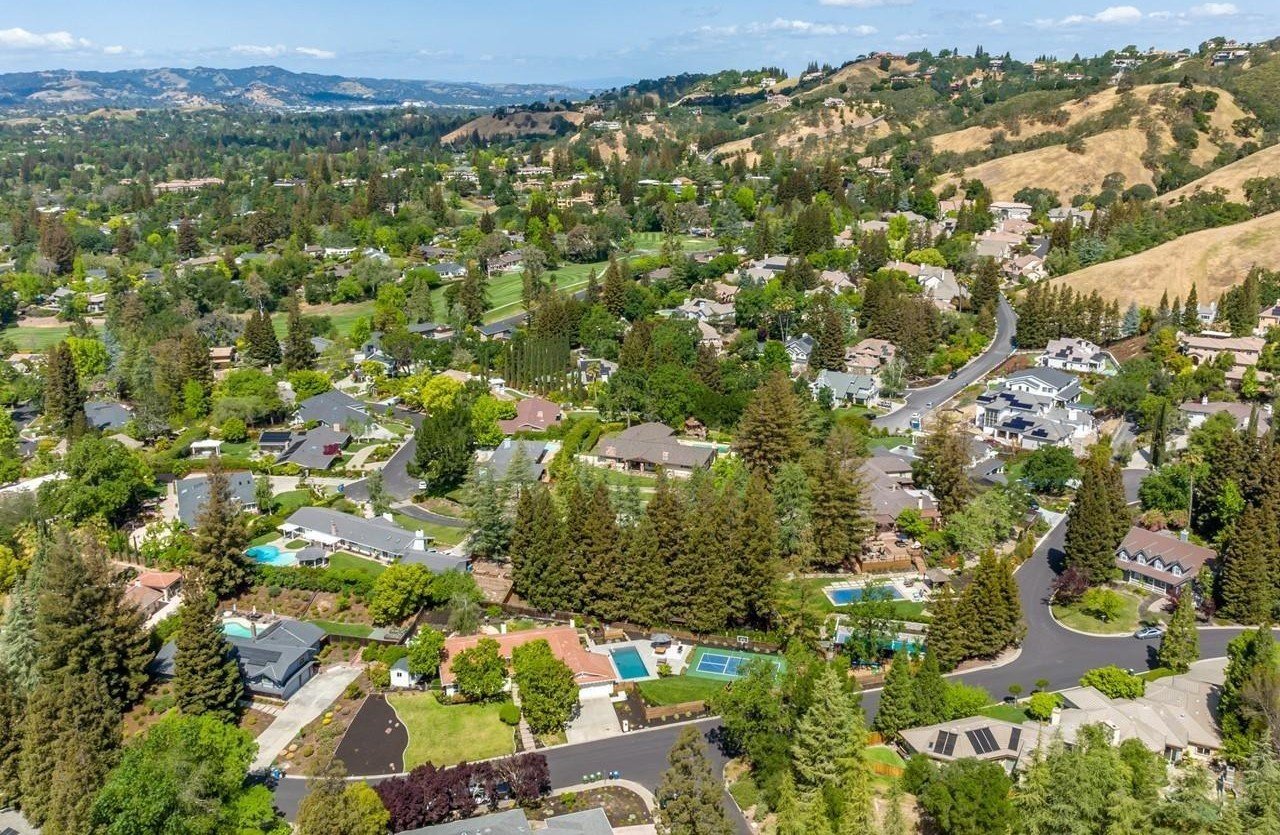
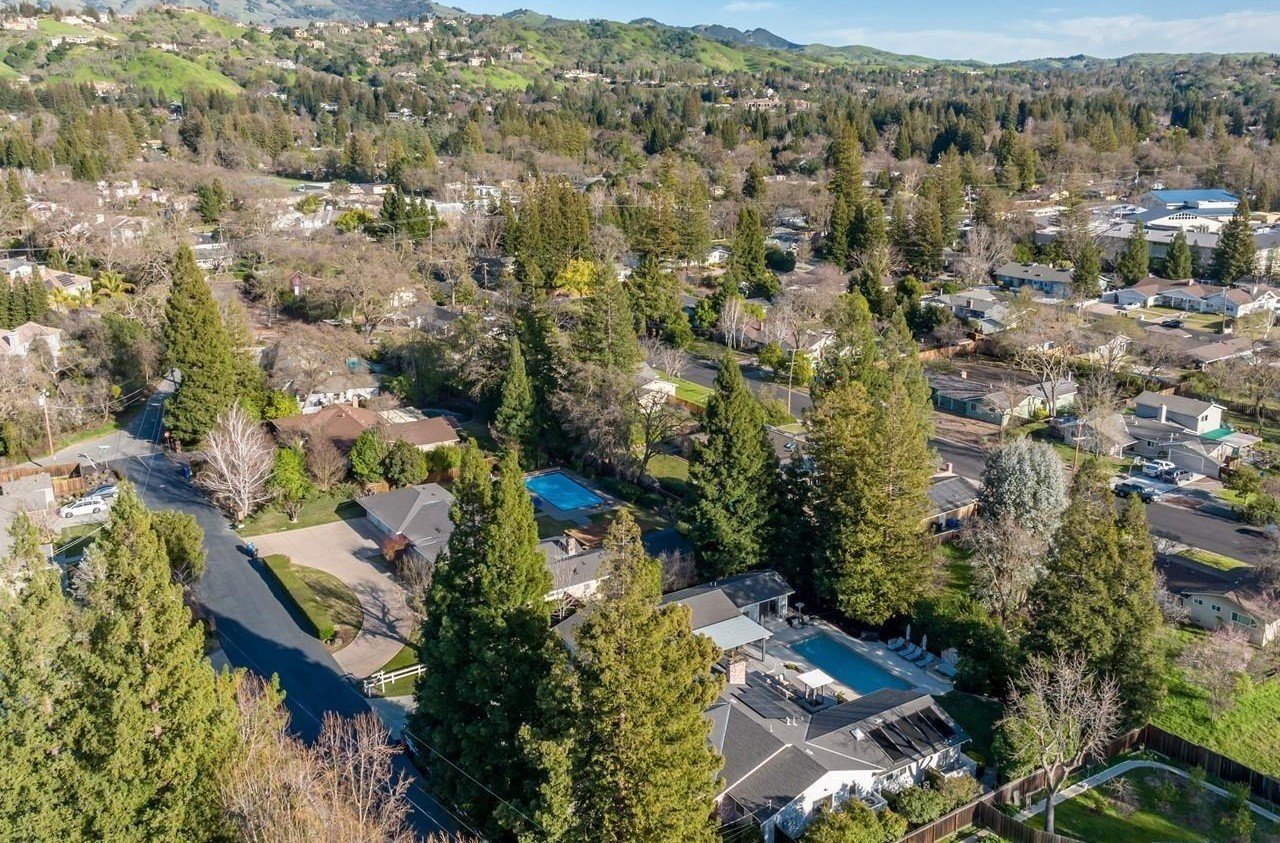
Alamo amplifies this because its homes are more complex than typical suburban inventory: larger lots, mature trees, older custom construction, pools and spas, outdoor kitchens, guest houses or ADUs, hillside terrain, retaining walls, long driveways, multiple HVAC systems, and remodels completed over decades. These features create real lifestyle value. They also generate more buyer questions, and luxury buyers’ inspectors ask them.
The questions change by property. A hillside estate buyer asks about drainage and retaining walls. A remodeled Westside buyer asks about permits. A Roundhill buyer asks about the pool, roof, and landscaping. A Stonegate buyer wants the HOA package. A good disclosure strategy anticipates these before they become problems.
What California Requires, in Brief
In covered residential sales, sellers generally provide a Transfer Disclosure Statement (TDS). The Department of Real Estate describes the seller’s and agent’s responsibilities regarding known material facts that affect a property’s value, desirability, and intended use. Some transactions qualify for statutory exemptions.
Other disclosures may apply, including the Natural Hazard Disclosure, lead-based paint for qualifying older homes, HOA information, and property-specific notices. Many transactions also use a Seller Property Questionnaire (SPQ). These forms are not interchangeable, and your obligations go beyond checking boxes.
Timing matters too. Late delivery of disclosures, or certain material amendments, can trigger statutory buyer termination rights. That makes complete, accurate, early preparation a risk-management step, not just good etiquette.
The 12 Disclosure Areas That Trouble Alamo Sales
1. Water Intrusion and Drainage
Mature landscaping, hillsides, large yards, patios, and older drainage systems complicate how water moves around an Alamo property. Common issues include roof leaks, crawlspace water, pooling near the foundation, overflowing drains, failed French drains, runoff, leaks around windows, past flooding, and retaining-wall drainage problems.
Buyers will ask whether water entered the home, when, why, and how you repaired it, and they may request invoices and reports.
Seller strategy: Gather records of any water problem and repair. Document drainage improvements you installed. If an issue is ongoing, have a qualified professional evaluate it. A repainted stain does not make a problem disappear from disclosure consideration, and a documented repair is far easier for a buyer to evaluate than an unexplained mark.
2. Roof Leaks and Repair History
Larger custom homes often have complex rooflines, skylights, tile, multiple penetrations, and nearby mature trees. Buyers want roof age, past leaks, repairs, replaced sections, flashing and gutter condition, dry rot, warranty coverage, and related claims.
An older roof is not automatically a problem. An undocumented one is.
Seller strategy: Organize inspection reports, invoices, warranties, and repair records. If you know of a past leak, disclose it accurately, including repairs and any recurrence.
3. Remodels, Additions, and Permits
Many Alamo homes have added bathrooms, expanded kitchens, enclosed patios, converted garages, added guest structures, or removed walls. Buyers will ask whether the work was permitted and final. Common areas of concern include kitchen and bath remodels, structural wall removal, additions, guest houses and ADUs, garage conversions, pool houses, outdoor kitchens, decks and patio structures, and electrical or plumbing changes.
Because Alamo is unincorporated, Contra Costa County handles building permits and inspections through its Department of Conservation and Development.
Seller strategy: Collect permits, final inspection records, plans, and contractor invoices. Never describe a space as legally permitted unless you have verified it, and don’t guess when status is unknown. California also has added disclosure requirements for certain recent resales involving improvements made after you acquired title, so review those where they apply.
4. Pools, Spas, and Outdoor Improvements
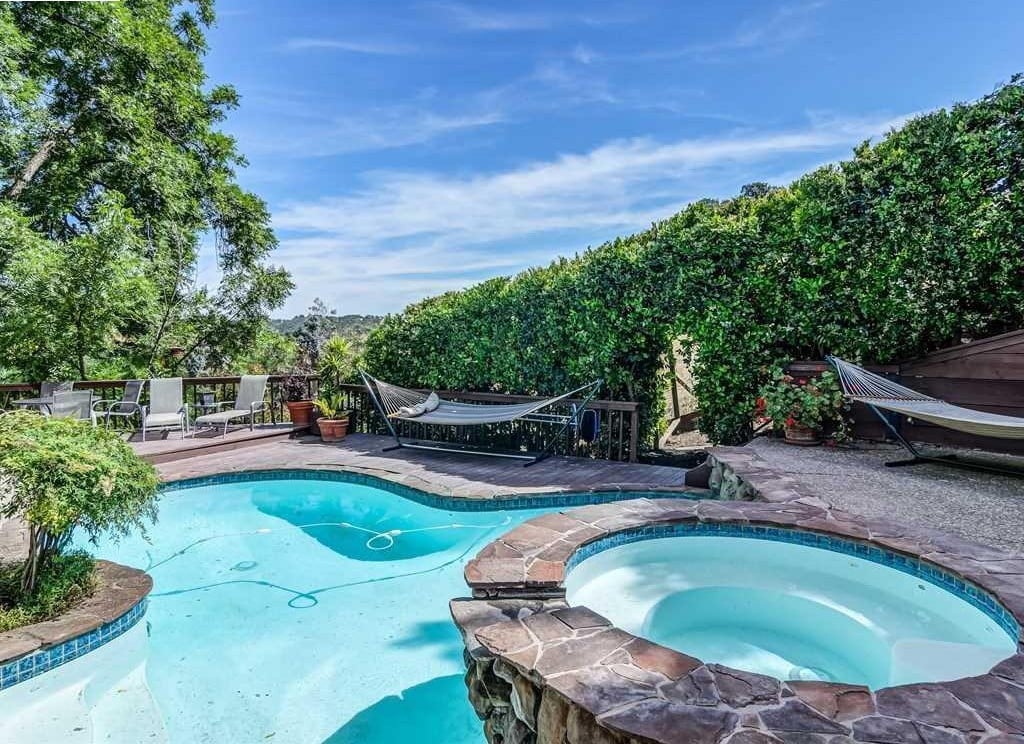
A pool, spa, outdoor kitchen, covered patio, or sports court adds appeal. It adds questions: leaks, resurfacing history, pump and heater condition, spa function, electrical and gas connections, safety features, drainage around patios, prior repairs, and permits for major improvements.
Seller strategy: Pull pool service records, equipment invoices, and warranties. Make sure systems work or that known problems are disclosed. Verify permit status for added structures. A pool that photographs beautifully but has unresolved equipment issues can quickly become an escrow problem.
5. Foundation, Hillside Conditions, and Retaining Walls
Not every Alamo home is on a slope, but many have terrain, retaining walls, or heavy landscaping. Buyers raise questions about foundation cracks, settlement, retaining-wall movement, soil movement, erosion, driveway or patio cracking, prior structural repairs, and engineering reports.
Seller strategy: Organize documentation for any structural or drainage work. If the property has known movement, prior engineering evaluations, or material repairs, disclose the relevant history as required. Don’t diagnose structural issues yourself; a qualified engineer can characterize them. For buyers, uncertainty about the ground under the house is more troubling than a cosmetic flaw.
6. Pest Damage and Dry Rot
Alamo homes often have wood decks, patio covers, exterior trim, fences, crawlspaces, siding, and mature landscaping, all vulnerable to moisture and pests. Buyers ask about termite activity, dry rot, fungal damage, prior treatment, and completed repairs.
Seller strategy: Consider a pre-listing pest inspection where appropriate, review repair history, and gather invoices. A completed, documented repair is easier to evaluate than a condition a buyer’s inspector discovers in escrow.
7. Insurance Claims and Prior Damage
Buyers may ask about past water, fire, storm, or tree damage, roof claims, and other significant damage. The Department of Real Estate treats known insurance claims as part of the material information discussion in residential transactions.
Seller strategy: Review your property’s history and records. If a claim involved damage, know what happened, what was repaired, and whether anything remains unresolved. Keep invoices. Rely on records rather than memory. Claim history can also affect a buyer’s ability to get coverage, so address it early.
8. Fire Hazards and Natural Hazard Disclosures
The Natural Hazard Disclosure framework covers mapped hazard zones, including flood, fire, and seismic. Fire Hazard Severity Zone maps have been updated in recent years, and designation is property-specific. The State Fire Marshal provides public tools to check current mapping. Properties in certain fire zones may carry additional disclosure requirements regarding wildfire-related conditions or mitigation.
Seller strategy: Review your Natural Hazard Disclosure report and any supplemental notices. Don’t assume every Alamo home has the same designation. Organize records of vegetation management and fire-related improvements. Buyers should get property-specific insurance information early, since hazard disclosures don’t substitute for insurance due diligence.
9. Sewer, Septic, and Well Systems
Alamo properties can differ in utility arrangements. Central Contra Costa Sanitary District’s service area includes Alamo, and the district offers a program for qualifying properties transitioning from septic to public sewer. For septic properties, Contra Costa County Environmental Health may be involved in reviews of certain improvements.
Buyers will ask whether the home is on public sewer, whether it has a septic system or private well, what service records exist, whether there have been backups or failures, and whether restrictions affect additions.
Seller strategy: Verify what actually serves your property rather than assuming from neighbors. Gather service records, inspection reports, permits, and invoices. On a large estate, these systems can matter far more than on a standard subdivision lot.
10. HOA Documents, Restrictions, and Assessments
Not every Alamo property has an HOA, but some do. Stonegate is a clear example where association information is central to the transaction. Buyers need current assessments, special assessments, CC&Rs, rules, architectural approval procedures, reserve funding, financial statements, common-area obligations, insurance responsibilities, and any pending litigation.
Seller strategy: Identify every applicable association early and order the required documents. A delayed or incomplete HOA package slows transactions. For properties with gates, shared roads, or common landscaping, buyers also want to know who is responsible for maintenance.
11. Solar, Electrical, and Major Systems
Alamo homes may include owned or leased solar, battery storage, EV chargers, generators, multiple HVAC systems, panel upgrades, pool equipment, water treatment, and extensive landscape lighting. Buyers want to know whether each is owned, leased, financed, permitted, working, and transferable.
New for 2026: Effective January 1, 2026, California added an electrical-inspection advisory disclosure for many covered residential sales, except for certain newer buildings. It advises buyers about the value of a qualified electrical inspection, including panels, wiring, insurance concerns, and capacity for future additions.
Seller strategy: Prepare documents for major electrical and mechanical improvements. If you have solar, gather ownership or financing agreements, warranties, and transfer information. Don’t describe leased or financed equipment as owned free and clear without checking the paperwork.
12. Neighbor Disputes, Easements, and Known Property Conditions
Some disclosure issues aren’t physical defects. They involve use, boundaries, or surroundings: boundary disputes, fence disagreements, shared driveways, easements, access issues, drainage conflicts, recurring noise, encroachments, tree disputes, unresolved neighbor complaints, and use restrictions. These matter most on larger lots, custom properties, and homes with shared access.
Seller strategy: Review known agreements, easements, and correspondence. Consult a qualified real estate attorney where needed. Don’t assume a concern is irrelevant because it isn’t visible at a showing. The test is whether the facts are material.
“As-Is” Does Not Eliminate Disclosure
Some sellers believe an as-is sale lets them stay silent about problems. It doesn’t. As-is generally addresses the property’s condition and your repair commitments under the contract. It does not automatically remove disclosure duties or protect against misrepresentation, and the Department of Real Estate notes that buyers keep inspection rights and sellers keep material-fact disclosure obligations in an as-is sale.
Three separate decisions are involved: what to disclose, what to repair, and how to price. You can choose not to remodel a dated kitchen or to sell with an older working roof. Known material conditions still go through the disclosure process.
What If You Don’t Know the Answer?
You aren’t required to know everything about the home. You are expected to be accurate about what you actually know. Distinguish between knowing something happened, having documentation of it, suspecting a condition, and having no knowledge of it.
Don’t guess. Don’t invent a repair date. Don’t say work was permitted without checking. Don’t call an issue resolved without a reasonable factual basis. When uncertainty involves something significant, get records or professional input. The goal is accuracy, not a flawless-looking package.
The Alamo Disclosure Preparation Timeline
30-60 days before listing: Review the property’s history and start collecting documents. Identify prior repairs, improvements, claims, inspections, and likely buyer questions.
15-30 days before listing: Consider appropriate pre-listing inspections. Review permit information, major systems, and property-specific concerns. Begin preparing required disclosures with your agent.
Before marketing begins: Organize the full package, identify unanswered questions, and decide which items to repair or evaluate further.
During escrow: Respond accurately to new information. If a material issue arises or earlier information changes, consult the right professionals promptly about updating disclosures.
Preparing early won’t eliminate every complication, but it reduces surprises and helps buyers decide sooner.
Disclosure Priorities by Alamo Neighborhood
Westside Alamo: Older-home systems, roof history, drainage, pest damage, remodel permits, and mature landscaping. Many homes have been updated over the years, so documentation matters.
Roundhill: Pool and spa systems, roof and exterior maintenance, landscaping, drainage, older remodels, and any applicable association obligations. Buyers will scrutinize outdoor entertaining areas.
Stonegate: HOA information, maintenance records, renovation documentation, and records for pools, roofing, HVAC, and major systems. Buyers want clarity on both property and community responsibilities.
Bryan Ranch: Lot characteristics, drainage, retaining walls where present, mature trees, older systems, and remodel history. Not every property has the same terrain.
Hillside and larger estates: Slope conditions, drainage, retaining walls, insurance considerations, access arrangements, landscaping, improvements, and property-specific utility systems. The more complex the property, the more valuable organized information becomes.
Five Mistakes to Avoid
- Waiting until an offer arrives. Late preparation creates delays and unanswered questions at the worst moment.
- Assuming buyers won’t care about an old problem. A repaired issue can still be relevant. Give accurate information and documentation.
- Treating permits casually. Don’t call an attractive addition permitted unless that has been verified.
- Focusing on appearance over records. Staging and landscaping matter, but buyers also need confidence in condition.
- Believing disclosure means looking perfect. The objective is clarity. A buyer who understands the property feels more comfortable moving forward.
FAQ
What disclosures are required when selling a home in Alamo?
Many residential sales require a Transfer Disclosure Statement, a Natural Hazard Disclosure, and other applicable notices. A Seller Property Questionnaire is also commonly used. Requirements vary by property and exemptions.
Do I have to disclose a roof leak that was repaired?
Evaluate known material roof and water-intrusion history for disclosure, even after repairs. Accurate descriptions and repair documentation help.
Do I have to disclose unpermitted work?
Known unpermitted improvements may be material and should be addressed accurately. Consult the right professionals when permit status is unclear.
Does selling as-is eliminate disclosure requirements?
No. As-is does not generally remove disclosure duties or the obligation to avoid misrepresentation.
Do I need to disclose previous insurance claims?
Known material property damage and relevant claim history should be addressed in the disclosure process. Keep repair and insurance records.
Are natural hazard disclosures important in Alamo?
Yes. Property-specific hazard designations can affect required notices and buyers’ insurance decisions.
What if my Alamo home has a septic system?
Verify the system’s status and gather inspection, maintenance, permit, and repair records. Buyers may require additional due diligence.
Should I complete seller disclosures before listing?
Starting early is advisable. It gives you time to gather records and organize what buyers will want before they make or finalize an offer.
Thinking about selling your Alamo home?
The Frazzano Tse Team will help you identify the issues buyers are most likely to question and build a pre-listing plan covering inspection concerns, repair decisions, documentation, disclosure preparation, and pricing, so you enter the market with a clear strategy.
Get a free Alamo Seller Disclosure and Pre-Listing Review →
Learn about our seller process →
See how Ease of Sell funds pre-listing repairs →
Contact us directly →