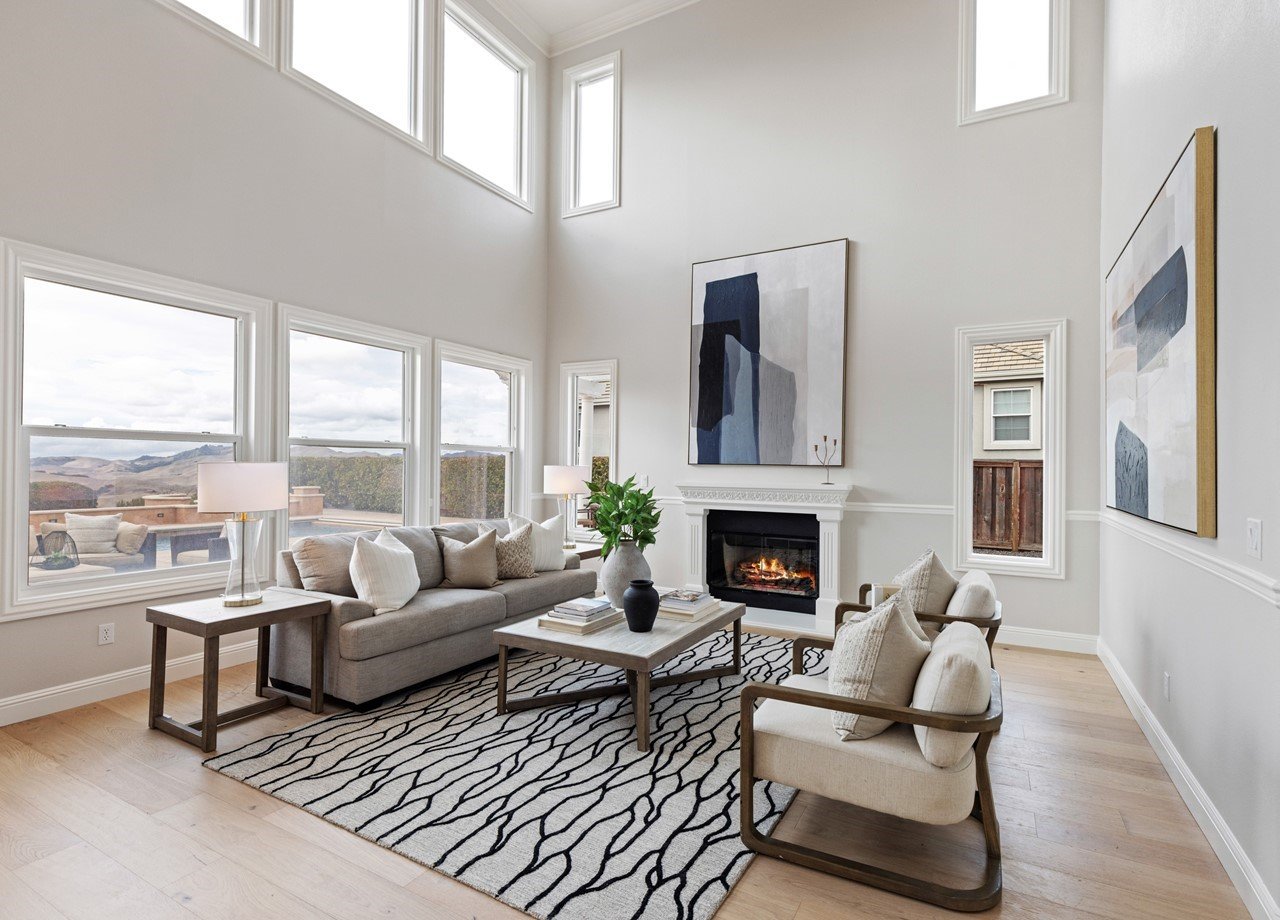
Every seller says some version of this: "The home is updated."
Buyers don't always agree.
In 2026, buyers are sharper than ever. They study listing photos, compare finishes across competing homes online, watch renovation content, and walk into showings with a strong instinct for what feels current even without construction knowledge. And here's the uncomfortable part for sellers: buyers can usually tell the difference between a thoughtful update and a quick cover-up.
That difference shows up in price, in offer terms, and in how much leverage buyers try to claw back during inspection negotiations.
After $2.7 billion in closed sales across Danville, Alamo, and the Diablo Valley, the Frazzano Tse Team has watched this play out on both sides of the table hundreds of times. Here's exactly what separates "updated" from "lipstick" and which one your home is right now.
The Core Distinction
Updated means the home feels intentionally improved. It doesn't need to be brand-new; it needs to feel cohesive. A 30-year-old home can read as updated if the work was done thoughtfully and consistently.
Lipstick means the seller tried to distract buyers from something underneath. New paint over obvious damage. New counters paired with old cabinets and bad lighting. Staged rooms hiding poor flow. These choices don't build confidence — they raise questions, and questions become negotiating leverage.
9 Things Buyers Consider "Updated" in 2026
1. Flooring That Feels Clean and Continuous
Flooring is one of the first things buyers notice because it visually connects the entire house.
Reads as updated: refinished hardwood, quality engineered hardwood, luxury vinyl used appropriately, consistent transitions between rooms.
Reads as lipstick: three or four different flooring types throughout the home, worn carpet, cheap flooring installed only in visible rooms, scratched hardwood that should have been refinished instead of left as-is.
If the flooring feels chaotic, buyers assume the rest of the home needs work, too, whether or not it does.
2. Paint That Brightens Without Feeling Sterile
Fresh paint is one of the best pre-sale investments, but only when it supports the home rather than masking it.
Reads as updated: warm neutral tones, clean trim, smooth prep work, no patchy walls.
Reads as lipstick: bright white paint over poor surface prep, mismatched touch-ups, trendy colors that fight the architecture, yellowed trim left untouched next to fresh walls.
Paint should make a home feel clean, not freshly covered up.
3. Lighting That Makes the Home Feel Current
Lighting is the most underestimated upgrade in real estate. A home can have decent finishes and still feel dated purely because the lighting is wrong.
Reads as updated: modern fixtures, warm and consistent bulb temperatures throughout, recessed lighting where appropriate, under-cabinet lighting in kitchens, clean exterior lighting.
Reads as lipstick: one trendy chandelier surrounded by builder-grade fixtures everywhere else, mixed bulb colors room to room, dark hallways, dated ceiling fans left untouched.
Good lighting signals a cared-for home before a buyer consciously notices why.
4. A Kitchen That Reads Clean, Functional, and Current
Not every seller needs a full kitchen remodel. Buyers simply want the kitchen to feel usable and intentional relative to the home's price point.
Reads as updated: clean counters, modern hardware, good task lighting, a fresh backsplash, cabinets that feel aligned with the rest of the home.
Reads as lipstick: new counters installed over visibly tired cabinets, cheap cabinet repaint with wear already showing, dated appliances left untouched, and an awkward layout nobody addressed.
The kitchen doesn't need to be spectacular. It needs to feel like it belongs at the price you're asking.
5. Bathrooms That Feel Clean, Bright, and Low-Risk
Bathrooms are where buyers decide quickly whether a home has been maintained.
Reads as updated: clean grout, modern mirrors and lighting, fresh caulking, quality fixtures, good ventilation.
Reads as lipstick: a new mirror and faucet installed over old tile and bad lighting, stained grout, peeling caulk, poor ventilation, the "almost updated" bathroom that still feels tired underneath the new fixture.
Bathrooms don't need to be magazine-level. They need to feel hygienic and finished.
6. Outdoor Spaces With a Clear Purpose
Danville buyers care deeply about outdoor living; it's part of what they're paying for at this price point.
Reads as updated: clean patio areas, trimmed landscaping, usable seating or dining zones, working irrigation, clean fencing.
Reads as lipstick: a few new plants placed to hide neglected landscaping, dirty patio furniture, dead lawn patches, pool equipment that looks questionable, and a yard with no clear use.
Buyers need to be able to picture themselves using the space immediately, not imagining the work required to make it usable.
7. Windows, Doors, and Hardware That Function Smoothly
This is where sellers most consistently underestimate buyer perception. If doors stick, windows won't open, or hardware feels loose, buyers start assuming deeper maintenance problems exist throughout the home.
Reads as updated: smooth-operating doors, working locks, clean hardware, intact screens, updated interior door handles.
Reads as lipstick: fresh paint on doors that still stick, loose handles, fogged windows, sliders that drag.
Small functional issues create outsized doubt about their tactile quality, and buyers touch everything during a showing.
8. Systems With a Clean Maintenance Story
Buyers may not get excited about HVAC, water heaters, roofing, or electrical panels, but they absolutely notice when those items look neglected, and inspectors notice even more.
Reads as updated: recent servicing with records, a labeled electrical panel, a properly strapped water heater, clean gutters, and documented roof repairs.
Reads as lipstick: beautiful staging sitting on top of systems nobody can explain, no service records, visible rust or leaks, and ignored drainage problems.
Systems don't need to be new. They need to feel known, maintained, and explainable.
9. The Whole Home Feels Cohesive
This is the biggest factor, and it's the one that determines how buyers weigh everything else.
A buyer may forgive one dated area if the rest of the home makes sense as a whole. But when every room feels like a different decade, buyers start mentally subtracting value and then subtracting it again at the negotiating table.
Reads as updated: a consistent palette, cohesive fixtures throughout, logical material choices, clean transitions between spaces.
Reads as lipstick: random, disconnected updates, one renovated room surrounded by neglected ones, trend-chasing instead of an actual strategy.
Cohesion creates buyer confidence. Randomness creates negotiation.
The Upgrades That Usually Matter Most Before Selling
Don't start with a remodel list. Start with buyer perception. The highest-leverage improvements, consistently, are: paint, lighting, flooring touch-ups or replacement, landscaping cleanup, deep cleaning, staging, minor kitchen and bath refreshes, and fixing the obvious inspection-risk items.
That combination is usually enough to fundamentally change how buyers feel about a home without the cost or timeline risk of a full renovation.
The goal isn't to make the home perfect. The goal is to make it feel like the best option in its price range, the moment a buyer walks through the door.
See our full pre-sale ROI breakdown by project →
What Sellers Should Skip
Some upgrades sound good but rarely pay back what they cost. Be careful with full remodels right before listing; ultra-trendy finishes that won't age well in photos; expensive custom upgrades that buyers may not personally value; low-quality, quick fixes that read as exactly that; and projects that delay your listing without meaningfully changing buyer demand.
A seller's job isn't to build the next owner's dream home. A seller's job is to create demand.
The Blunt Truth
Buyers will pay for a turnkey. They will not overpay for "we painted and staged it, but everything else is still tired," and they're getting better at spotting the difference every year as renovation content saturates their feed.
If your home is genuinely updated, market it that way with confidence. If it's partially updated, be precise about which parts you've updated and clearly disclose the rest. If it needs work, don't pretend otherwise — price and position it honestly instead.
The market punishes confusion far more than it punishes age.
Our Ease of Sell program exists specifically to help sellers fund and coordinate the right upgrades, the ones that actually move buyer perception, without overspending on the ones that don't. No payment due until closing.
FAQ
What upgrades add the most value before selling in Danville?
The most reliable pre-sale upgrades are paint, lighting, flooring, landscaping, staging, and fixing obvious inspection issues. These affect buyer perception fastest and most reliably, regardless of price point.
Should I remodel my kitchen before selling?
Usually, no. A full kitchen remodel right before listing is risky unless the kitchen is severely hurting the home's value relative to comparable listings. A targeted refresh of counters, hardware, lighting, and paint almost always makes more financial sense.
What makes a home feel "updated" to buyers in 2026?
Clean, consistent finishes; modern lighting; fresh neutral paint; kitchens and bathrooms that feel current and functional; documented, maintained systems; and an overall cohesive feel from room to room. Buyers respond to consistency more than to any single impressive feature.
Is staging worth it for a Danville listing?
In most cases, yes. Staging helps buyers understand scale, flow, and lifestyle, and it's especially valuable for vacant homes, unusual layouts, or homes furnished with older, oversized pieces that don't photograph well. Learn more about our staging approach →
What repairs should I prioritize before listing?
Prioritize anything that reduces buyer fear: leaks, electrical safety issues, HVAC problems, drainage concerns, pest issues, and documented roof problems. These are the items that create inspection leverage if discovered late.
What should I avoid fixing before selling?
Avoid expensive custom upgrades, trend-driven remodels, and any project that doesn't change buyer perception or reduce risk. Not every improvement pays back, and the wrong ones can delay your launch without improving your outcome.
Wondering what buyers will see as "updated" in your home and what they'll flag as a point of negotiation?
The Frazzano Tse Team will walk your home with you and identify exactly where you stand, room by room.
See how Ease of Sell can fund your prep →
Talk to us directly →