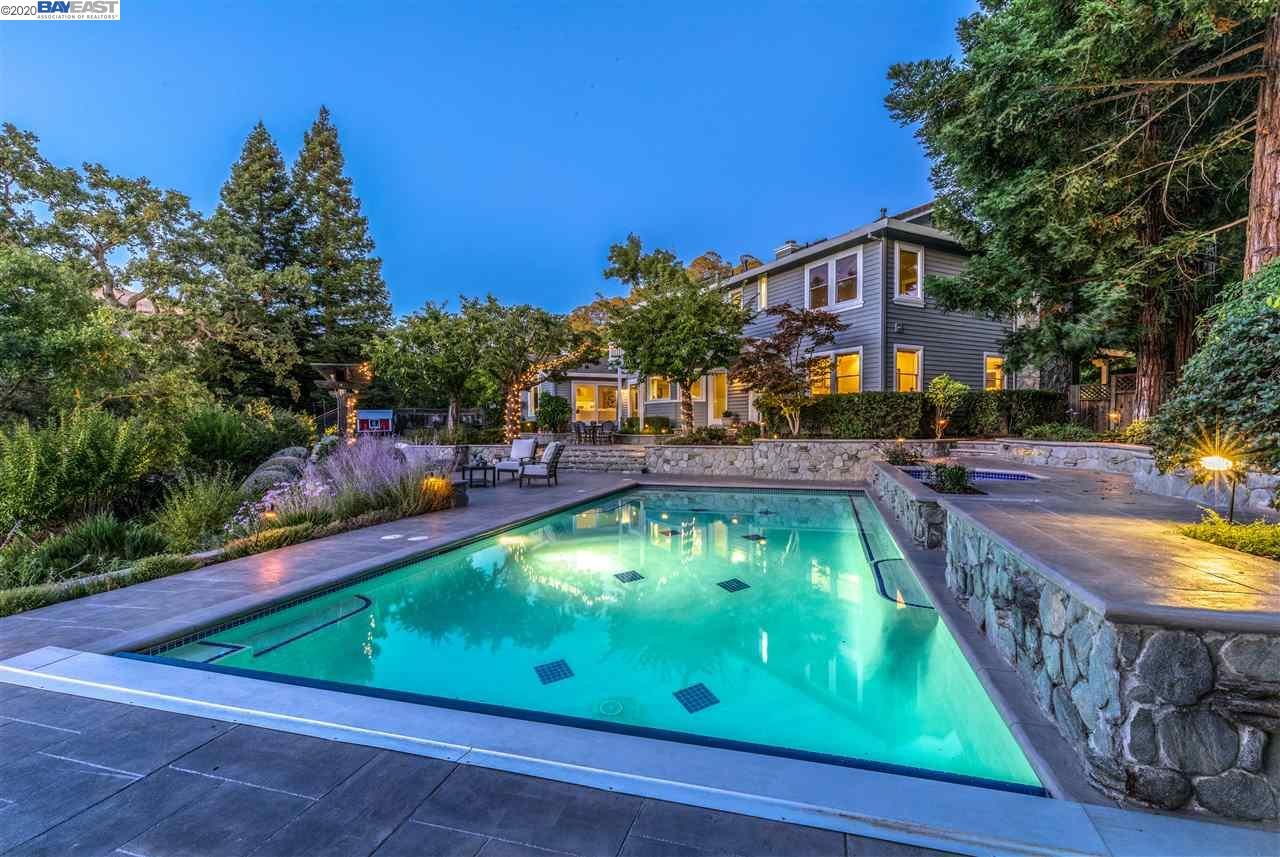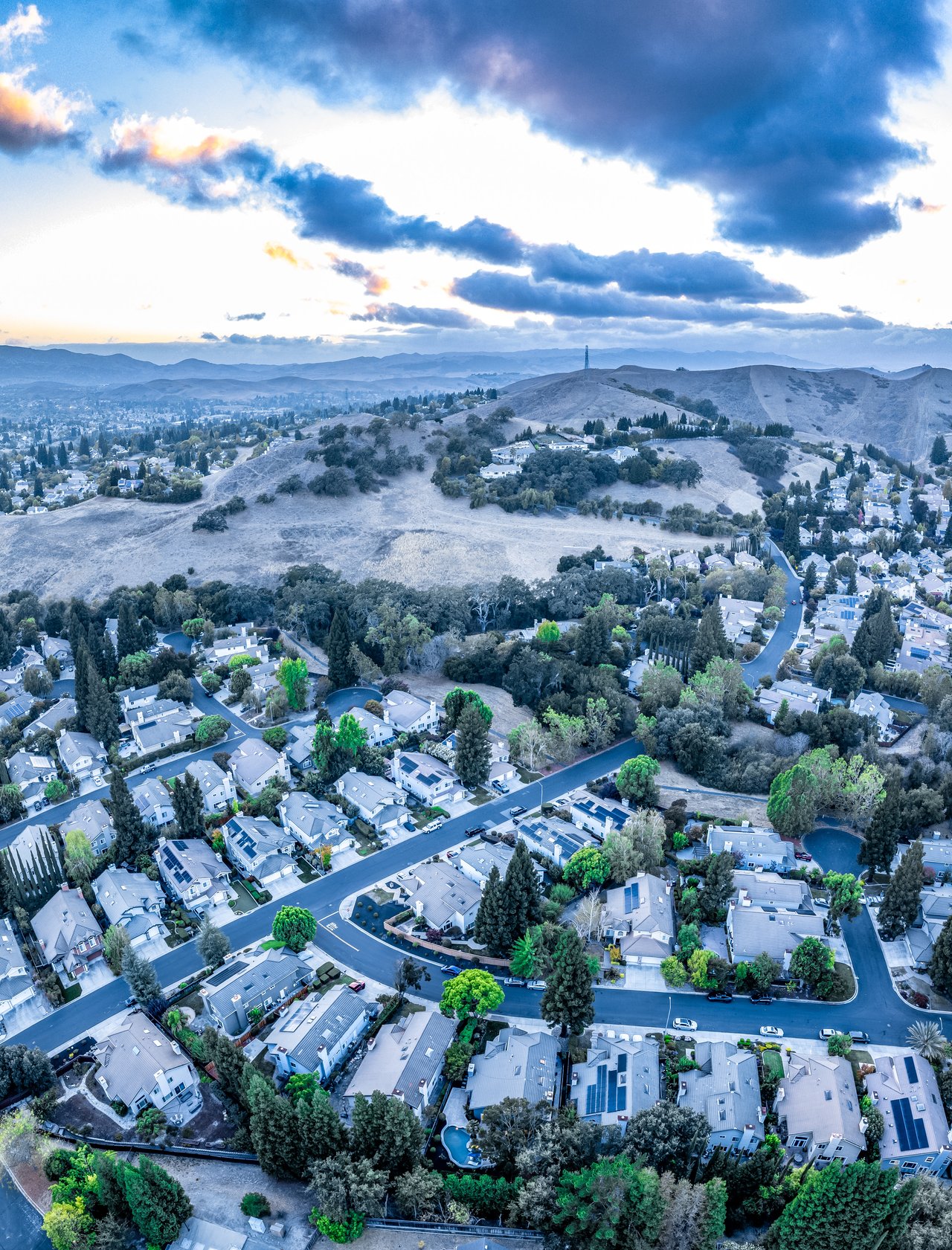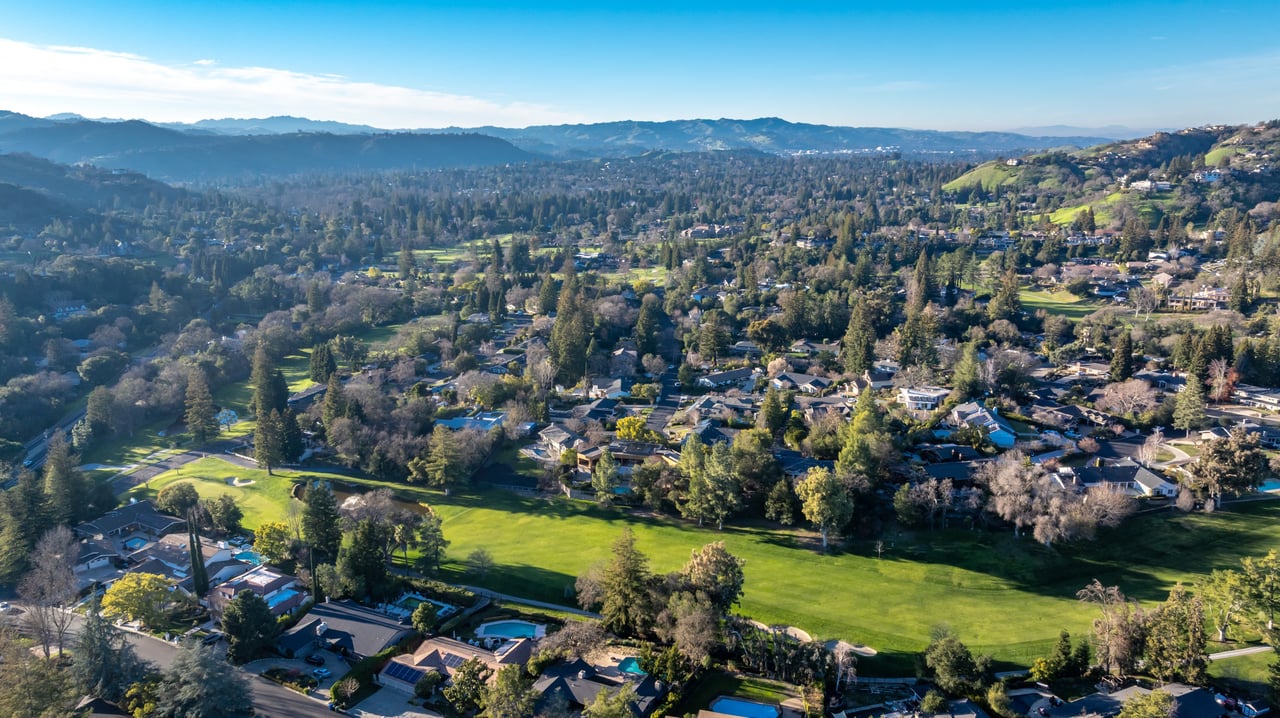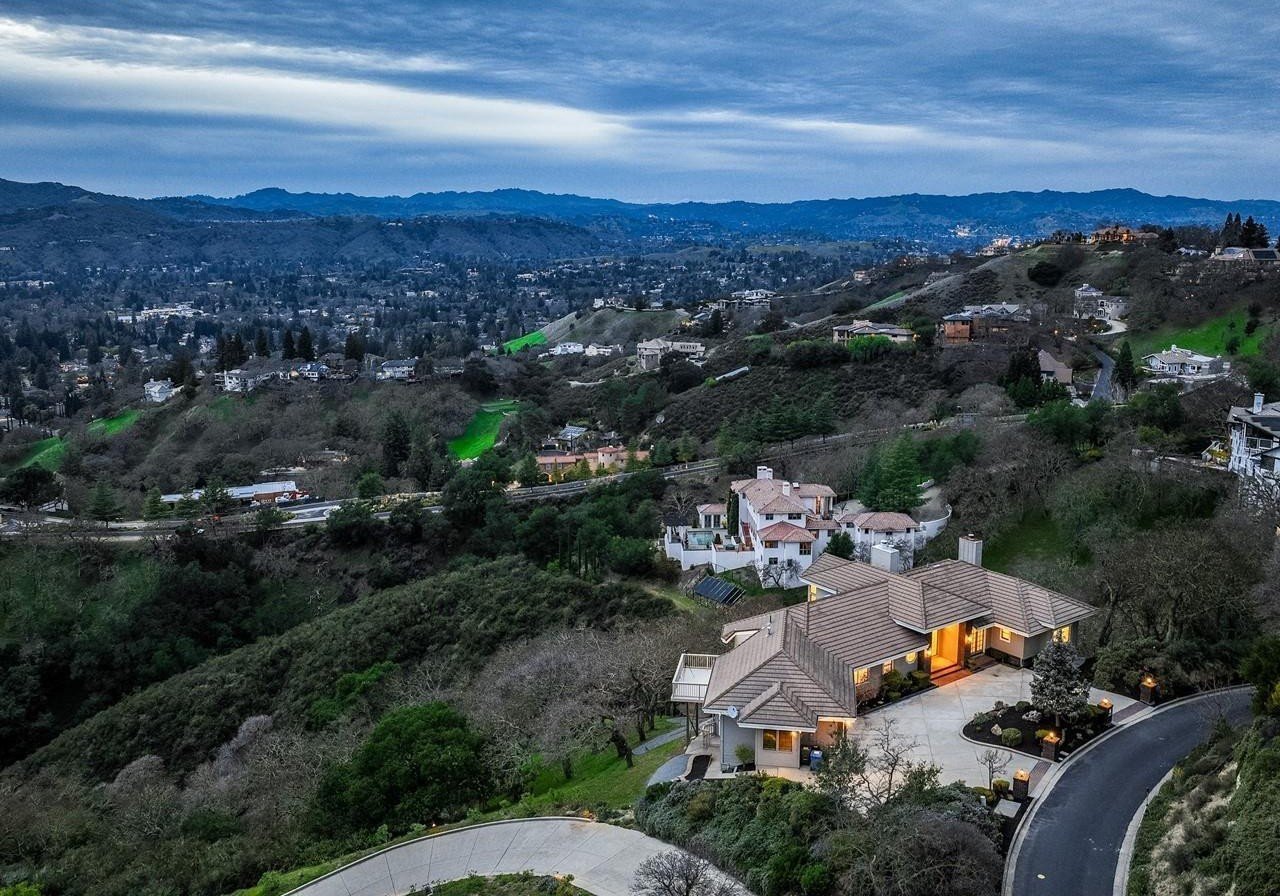
San Ramon is still a strong East Bay market. But it is not a market where sellers can be lazy, and buyers who assume they can casually lowball are also misreading what's happening.
That's the real story in mid-2026.
The Frazzano Tse Team has worked the San Ramon, Danville, and Diablo Valley market for over 50 years. Here's what the current data is actually telling us and what it means if you're thinking about buying or selling in the next 30 to 90 days.
What the Data Shows and Why the Numbers Vary
Before strategy, ground truth. Public data sources measure San Ramon differently, so it's worth showing the range rather than pretending one number is definitive:
Redfin shows a San Ramon median sale price of $1.5M in March 2026, down 10.9% year-over-year, with homes selling in around 20 days on average.
Zillow's Home Value Index puts the average San Ramon home value at $1,536,120, down 8.1% over the past year, with homes going to pending in around 9 days.
Movoto shows a median sale price of $1,449,950 in March 2026, with homes selling after 27 days on market, up from 16 days the prior year.
The honest interpretation: price points have softened from their 2021–2022 peaks, and days on market have extended in some segments. But this is not a distressed market. Despite year-over-year price compression, days on market in the most competitive pockets of San Ramon have actually dropped. The market is cooling on price but moving faster on velocity in well-positioned segments.
The more important number than any citywide median: 53.6% of San Ramon homes sold above list price in early 2026, while 22.4% had price reductions. That split is the whole story. Some homes are still getting bid up. Others are sitting and cutting. The difference is almost never luck; it's pricing, preparation, condition, and buyer confidence.
Why One "San Ramon Market Update" Can Mislead You
San Ramon contains several distinct submarkets that behave very differently:
Gale Ranch and Windemere maintain $2M+ median price points in 2026, supported by structural supply constraints, gated, fixed size, no new construction, and a buyer pool of executives from tech, finance, and healthcare sectors. Dougherty Valley draws buyers who want newer construction, strong schools, and east-side San Ramon convenience, with most homes selling within a week. Central San Ramon, with older housing stock along San Ramon Valley Boulevard, moves fastest at the lowest absolute prices but has seen the steepest year-over-year price adjustments.
The bottom line: countywide and even city-level data cannot replace neighborhood-level pricing analysis for a San Ramon listing. Your home doesn't sell in "the San Ramon market"; it sells against the specific homes buyers are comparing it to that week.
Browse current San Ramon listings →
For Sellers: The Market Still Rewards Good Execution
The homes that perform best in this environment share three things: correct pricing, clean presentation, and low buyer uncertainty. Sellers who get all three right are still generating multiple offers. Sellers who miss on any one of them are contributing to that 22.4% price-reduction statistic.
What to Watch
Days on market as your early signal. San Ramon homes are averaging around 20 days on market citywide, but the range within that average is wide. If your home isn't generating strong activity in the first 7–10 days, the market is telling you something: the price is too ambitious, the presentation isn't compelling enough, or buyers see too much work ahead. Waiting and hoping are not recovery strategies.
Inventory is rising, which punishes average listings. San Ramon saw inventory increase to around a 2.4-month supply with 71 homes available in January 2026. More options don't destroy a seller's position, but they do punish listings that look like the most work in the competitive set.
The sale-to-list split is the real market signal. With roughly half of homes selling above list and nearly a quarter taking price reductions, the gap between well-positioned and poorly positioned listings is wider than many sellers want to admit. In this environment, pricing correctly from day one is not conservative; it's how you capture the demand that still exists.
What Sellers Should Do in the Next 30–90 Days
Step 1: Get a real pricing read. Online estimates are too blunt for a market with this much neighborhood-level variance. A proper pricing review accounts for your specific neighborhood, zip code, active competition, pending sales, recent closings, lot and layout, and likely inspection concerns. Request your free home valuation →
Step 2: Decide if you're selling a product or a project. A product feels move-in ready and low-risk. A project feels like the buyer has work ahead. Both can sell, but they cannot use the same pricing strategy. Pricing a project like a product is the most common and most expensive mistake we see in this market.
Step 3: Fix the objections buyers will use against you. Before listing, focus on what changes buyer perception and reduces inspection leverage: paint, lighting, flooring touch-ups, landscaping cleanup, staging, pest issues, drainage concerns, HVAC servicing, and roof and gutter maintenance. Don't remodel blindly; target the work that protects your price.
Our Ease of Sell program funds and coordinates exactly this kind of targeted pre-listing preparation, with no payment due until closing.
Step 4: Launch with week-one discipline. Your first week on the market is when the most motivated buyers, the ones who have been searching for months and know the inventory cold, see your home and decide whether to act. A weak launch is extremely hard to recover from. A strong one creates competition that changes your outcome.
For Buyers: Good Homes Are Not Sitting Around
"Selective market" does not mean "buyer's market." Don't confuse the two.
Well-positioned San Ramon homes are going pending in around 9 days on Zillow's measure, meaning if a strong home at the right price appears, hesitation is expensive. The durable demand drivers that define this market haven't changed: strong schools, proximity to Bishop Ranch and City Center, access to I-680 and BART, newer housing stock in key neighborhoods, and an established family-oriented community.
What Buyers Should Scrutinize
Condition versus price, not just "is this expensive?" The right question is: what will you need to spend after closing? Are the systems clean and documented? Is the home genuinely updated or just staged well? Does the list price reflect the actual condition? The wrong purchase isn't always the highest-priced home; it's the one where you underestimate the work. Read our updated vs. lipstick guide →
Neighborhood fit matters more than the citywide stats. Gale Ranch, Windemere, Dougherty Valley, Twin Creeks, Central San Ramon, and the southern canyon communities each have completely different market dynamics, buyer profiles, and price behaviors. If you shop only by bedroom count and price, you'll miss the lifestyle differences that determine long-term satisfaction.
Offer terms win when the price is close. San Ramon is still a competitive market where many homes get multiple offers, some with waived contingencies. The best offer isn't always the highest price; sellers evaluate the strength of the down payment, loan quality, appraisal risk, inspection posture, and closing timeline. A clean, well-structured offer can beat a higher but riskier one.
What Buyers Should Do in the Next 30–90 Days
Get clear on neighborhood priority first. Do you want newer construction, central convenience, views, walkability, or maximum home size for the money? San Ramon forces real tradeoffs; know yours before you start comparing listings.
Know the difference between cosmetic and structural work. Paint and staging are easy. Roof, drainage, HVAC, electrical, plumbing, pest, and foundation concerns are entirely different categories. A home can photograph beautifully and still be expensive after closing.
Be ready when the right home appears. Have your lender approval ready, proof of funds organized, offer strategy mapped out, inspection posture decided, and price ceiling defined before you need it. Good buyers prepare before the house appears, not the morning they want to write an offer.
Talk to us about buying in San Ramon or the Diablo Valley →
What's Actually Moving the Market Right Now
Buyer selectivity, not buyer absence. Buyers are active; they're just more careful. They'll still pay for a home that feels move-in ready, well-maintained, well-located, and correctly priced. They'll hesitate and negotiate hard — when a home feels dated, overpriced, or poorly documented.
Payment sensitivity at every price point. The California Association of Realtors noted in early 2026 that the recent rise in mortgage rates could temper spring momentum. Even affluent buyers are asking, "Is this the best home for the money?" more rigorously than they did two years ago. If the answer is no, they wait.
The condition gap is wider than sellers want to admit. The gap between truly turnkey homes and project homes has widened: homes selling for 96–98% of list price are the new normal, compared with the 102–105% sellers were seeing in 2021–2022. A home that needs paint, floors, landscaping, lighting, inspections, and system work is not "almost turnkey." It's a project, and buyers will price that in.
FAQ
Is the San Ramon housing market still strong in 2026?
Yes, but more selective than peak years. Homes in San Ramon receive an average of 2 offers and sell in roughly 20 days citywide, with well-positioned homes moving significantly faster. It is a disciplined seller's market, not a weak one.
What is the median home price in San Ramon right now?
It depends on the source and measurement period. Redfin shows a March 2026 median sale price of $1.5M. Zillow puts the average home value at $1,536,120. Movoto shows $1,449,950 for the same period. The range reflects different methodologies; neighborhood-level analysis matters more than any single citywide figure.
Are San Ramon homes selling over asking price?
Some are; many aren't. Roughly 53% of San Ramon sales closed above list price in early 2026, while about 22% required price reductions. Condition, pricing strategy, and preparation determine which category a home falls into.
Is San Ramon a buyer's or seller's market right now?
Best described as a selective seller's market. Well-prepared, correctly priced homes can still generate multiple offers and strong terms. Overpriced or underprepared homes are sitting on the market longer and selling for less.
What should San Ramon sellers do before listing?
Get a real pricing analysis based on your specific neighborhood and competitive set, decide whether your home reads as a product or a project, make targeted pre-sale improvements that reduce buyer objections, and launch with a week-one urgency strategy. Talk to us about your home →
What should San Ramon buyers watch for?
Focus on condition (not just listing photos), neighborhood fit relative to your actual daily life, monthly payment including insurance and HOA where applicable, and inspection risk from deferred maintenance. Have your offer package ready before you need it.
Thinking about selling or buying in San Ramon in the next 30–90 days?
The Frazzano Tse Team has worked this market for over 50 years with $2.7B in career sales. We'll map your home's likely buyer, the competitive set you're actually entering, and the preparation and pricing strategy that gives you the best week-one position.
Get your free home valuation →
Learn about our seller process →
Start your home search →
Talk to us directly →