Who this is for: San Ramon homeowners preparing to list who are wrestling with the most common and expensive pre-sale decision: how much to invest in home improvements before going on the market. This guide is for sellers who are tempted to do "one more project" before listing and for sellers who aren't sure whether their home needs $10,000 in targeted prep or $100,000 in renovation to compete.
The decision you're trying to make Is Not "should we remodel"; that framing leads to the wrong answer almost every time. The real decision is which specific improvements will change buyer behavior in your neighborhood at your price point, and which will cost time and money without moving the needle. Getting this decision right is often the difference between a clean week-one sale and a stale listing that needs price reductions.
Why our team has authority: The Frazzano Tse Team is the #1 Compass Concierge Team for 2020–2025 with $2.7 billion in career sales across San Ramon, Danville, and the Diablo Valley. We've walked through hundreds of San Ramon homes before listing and helped sellers make exactly this decision, including many who came in planning a $150,000 kitchen remodel and left with a targeted $25,000 prep plan that produced a better outcome. We know which improvements change buyer behavior and which ones make sellers feel better without moving the market.
What you'll know by the end: The clear difference between remodeling and preparing, the three-bucket framework for categorizing every potential project, what San Ramon buyers consistently reward versus what they don't, neighborhood-specific guidance for Gale Ranch through Bollinger Hills, when a remodel actually does make sense, and the eight questions to ask before spending any money.
The Core Distinction: Remodeling vs. Preparing
These are not the same thing, and conflating them is the source of most pre-sale spending mistakes.
Remodeling changes the home: full kitchen and bathroom renovations, wall removal, major cabinetry replacement, structural work, and additions. These projects are expensive, take weeks or months, and carry design risk: you're guessing what the next buyer wants, and you could be wrong.
Preparing reduces buyer objections: fresh paint, lighting updates, flooring repairs, landscaping cleanup, staging, targeted fixture updates, grout and caulk refresh, HVAC service, inspection-risk repairs, disclosure organization. These projects are faster, more strategic, and more reliably connected to buyer response.
Most San Ramon sellers need preparation rather than a major remodel. The question to ask about any proposed project isn't "will this look better?" Almost everything looks better after spending money. The question that actually matters is: will buyers pay more for this than it costs? Will it help the home photograph better, increase showing activity, or reduce inspection leverage? Will it help us compete against the active listings buyers are comparing us to this weekend? If the answer isn't clearly yes, be careful.
A seller's job isn't to create the perfect home. It's to create demand.
The Three-Bucket Framework: Fix, Skip, or Price Around
Every possible pre-sale project belongs in one of three buckets. Sorting them correctly before spending anything is the most important strategic decision a San Ramon seller makes.
Bucket 1: Fix Before Listing
These are the items that create buyer fear, trigger inspection leverage, or make buyers hesitate before they've even seen the rest of the home. They're the issues buyers will notice, question, or use to renegotiate after they're in contract.
Fix these: active leaks of any kind, obvious roof issues, pest or dry rot damage, unsafe electrical items, plumbing problems, HVAC that doesn't perform, broken windows or sliders, poor drainage, loose railings or structural safety items, failed appliances included in the sale, water heater safety issues, strong odors, and any visible damage that signals neglect rather than age.
The test for Bucket 1 is simple: will a buyer's inspector flag this and use it as a negotiation weapon? If yes, fixing it before listing almost always costs less than the mid-escrow credit or renegotiation it would otherwise produce.
Bucket 2: Skip
These are projects that might improve the home but won't improve the sale enough to justify the cost, timeline, and design risk.
Skip these: full kitchen renovations, full bathroom renovations, luxury appliance packages, custom built-ins, expensive landscaping redesigns, major pool remodels, highly personalized finishes, bold or unusual design choices, major additions, and any project that delays your launch without clearly changing buyer demand.
The test for Bucket 2: would a buyer pay meaningfully more for this improvement than it costs, nd would that buyer broadly agree with your design choices? For most full remodels, the answer to both questions is no.
Bucket 3: Price Around
Some issues are real but not worth fixing before listing either because they're too expensive, too slow, too personal to the next buyer's taste, or because the home can sell well without addressing them if the pricing reflects the reality.
Price around these: an older but functional roof, original but clean bathrooms, a dated kitchen that doesn't have structural issues, older HVAC that still runs reliably, single-pane windows, older flooring in fair condition, a pool that needs future resurfacing, a sloped yard, dated floor plan, road noise, or HOA limitations.
The critical rule for Bucket 3: if you choose to price around something, the pricing must actually reflect it. Pricing around an issue and then pricing like it doesn't exist is the combination that produces stale listings and painful price reductions.
What San Ramon Buyers Consistently Reward
These are the improvements that reliably change buyer behavior, producing more showings, stronger offers, and fewer inspection concessions:
Fresh interior paint transforms how a home photographs and shows. Warm, neutral tones throughout create the "clean and cared for" feeling that buyers respond to emotionally before they've consciously evaluated anything. This is almost always the highest-leverage dollar a San Ramon seller spends. Focus on main living spaces, entry, kitchen and family room, primary bedroom, and all trim and doors.
Updated lighting is the most consistently underestimated upgrade. Poor lighting makes an otherwise good home feel dated and dim. Updating entry fixtures, kitchen pendants, dining and bathroom vanity lights, and ensuring consistent warm bulb temperature throughout can modernize a home faster and at lower cost than any other category. It also dramatically improves listing photos.
Flooring consistency signals home quality immediately. Buyers notice worn carpet, scratched hardwood, mismatched flooring types, and dated tile, and they interpret each as evidence that the home hasn't been maintained. You may not need all-new flooring; sometimes hardwood refinishing, carpet replacement in high-traffic areas, and transition repairs are enough to create the "cohesive and clean" impression that shifts buyer perception.
Kitchen refreshes are targeted, not remodeled, an update to the kitchen's feel without the cost and risk of full renovation. New hardware, an updated faucet, improved lighting, a fresh backsplash, cabinet touch-ups, counter repair if clearly needed, and professional cleaning often produce 80% of the results of a full remodel at 20% of the cost. Unless the kitchen is functionally obsolete or severely hurting value, this is almost always the right approach.
Bathroom refreshes follow the same logic. New vanity lighting, new mirror, fresh caulk and grout cleaning, updated fixtures, and a thorough cleaning make bathrooms feel maintained and current without the design risk and timeline of a full renovation. Bathrooms don't need to be new; they need to be spotless, bright, and simple.
Landscaping and curb appeal affect buyer psychology before they enter the home. Lawn cleanup, trimmed shrubs, fresh mulch, a clean walkway, a freshened front door, and pressure-washed hardscape create the "this home has been cared for" signal that primes buyers to interpret everything else they see favorably. This matters particularly in San Ramon neighborhoods where outdoor living is part of the value proposition.
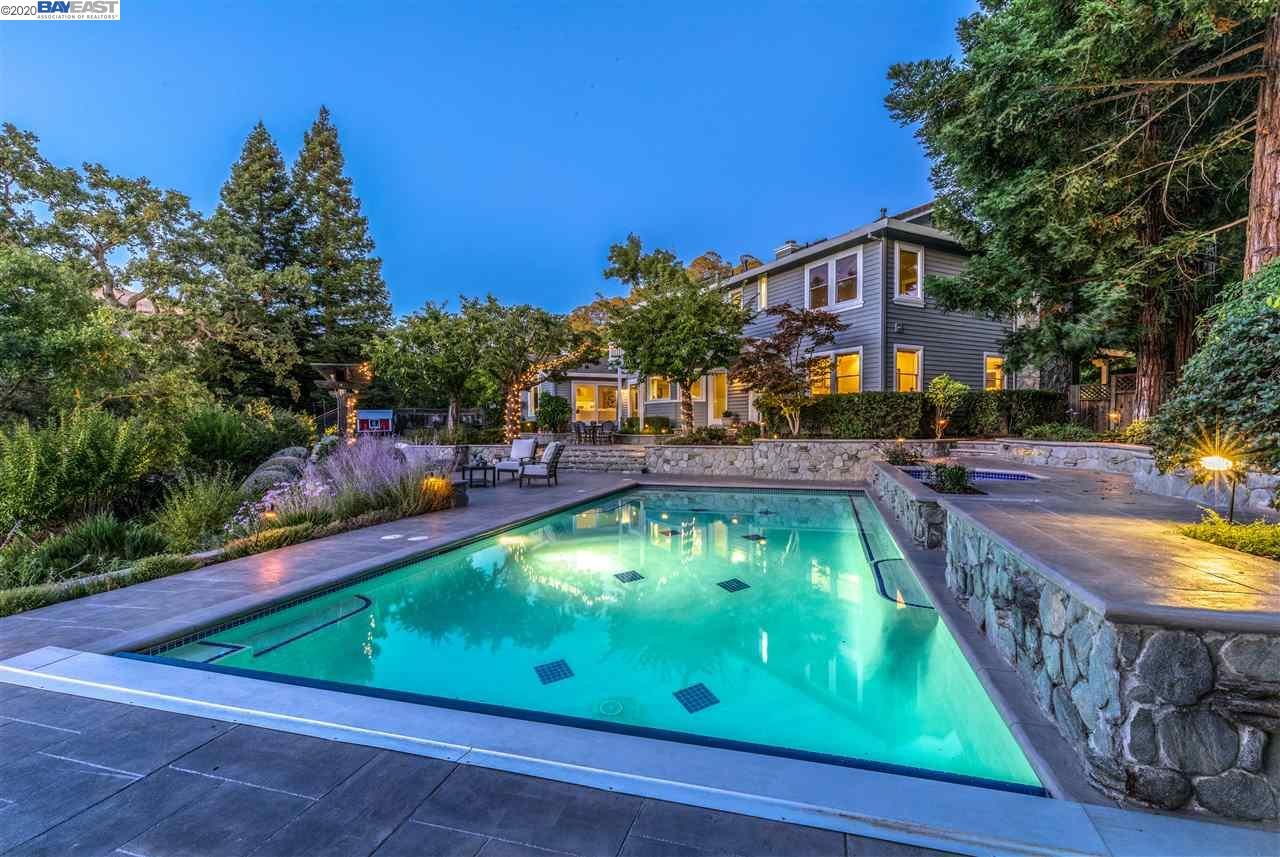
Backyard usability staging defines the outdoor space with clean furniture, clear zones, and maintained landscaping, converting ambiguous yards into features buyers can imagine using. In Windemere, Gale Ranch, Dougherty Valley, Bollinger Hills, The Bridges, and Canyon Lakes, outdoor living can be a meaningful pricing driver. Don't treat it as an afterthought.
Staging helps buyers understand the home quickly and emotionally: room scale, traffic flow, work-from-home options, indoor-outdoor connection. It's especially valuable for vacant homes, unusual floor plans, large open spaces, luxury homes, and any space where the best use isn't immediately obvious. Staging doesn't fix overpricing. But it makes a properly priced home significantly more compelling. Learn about our staging approach →
Neighborhood-Specific Guidance
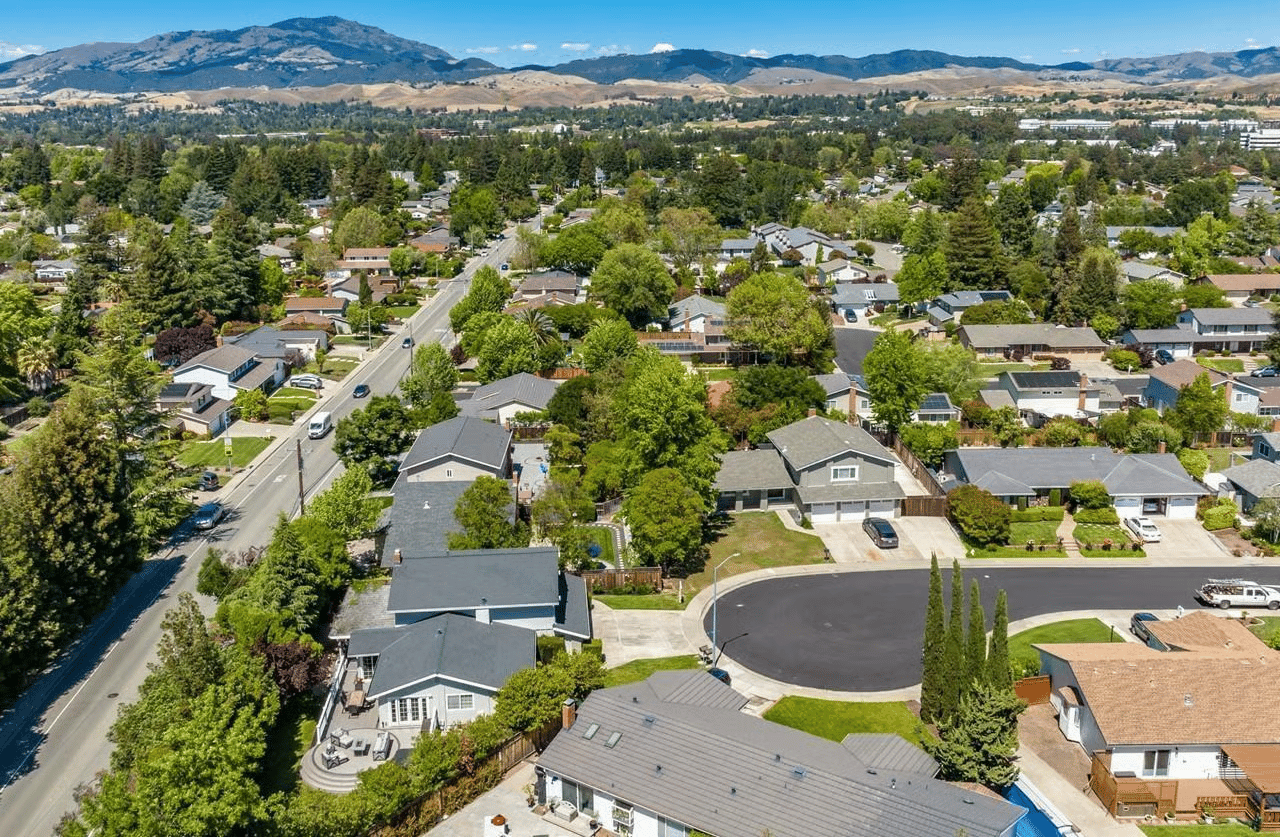
Gale Ranch: Buyers are comparing similar homes simultaneously. Small differences in presentation determine which one gets the offer. High-impact prep: paint, lighting, flooring, staging, backyard cleanup, kitchen and bath refreshes. The home that feels most polished consistently wins attention.
Windemere: Lead with floor-plan clarity, backyard privacy, and view orientation, if present. Prep should make the home's strongest features obvious; don't let buyers miss a hillside view or private lot because of poor furniture placement or staging choices.
Dougherty Valley: Buyers expect newer homes, which means dated finishes stand out more here than elsewhere. Modern lighting, clean paint, polished flooring, and a bright presentation of the kitchen and family room are particularly important. Buyers comparing multiple newer homes quickly notice differences in condition.
Twin Creeks: Balance established character with modern confidence. Roof and HVAC records, pest and drainage clarity, paint, lighting, flooring, and correctly staged older layouts help buyers think "established and cared for" rather than "old and expensive." Documentation is as important as presentation here.
Canyon Lakes: HOA clarity, property-type positioning, and presentation of the view or lake/golf-course setting are as important as the interior. For condos and townhomes, staging needs to make spaces feel efficient and elevated. Parking and storage clarity matter more here than in most neighborhoods.
The Bridges: Luxury buyers have higher standards. Curb appeal, entry impact, outdoor living presentation, pool and spa condition, photography and video quality, and interior polish all need to be at the level the price point commands. "Almost ready" at $2M+ feels like "not ready."
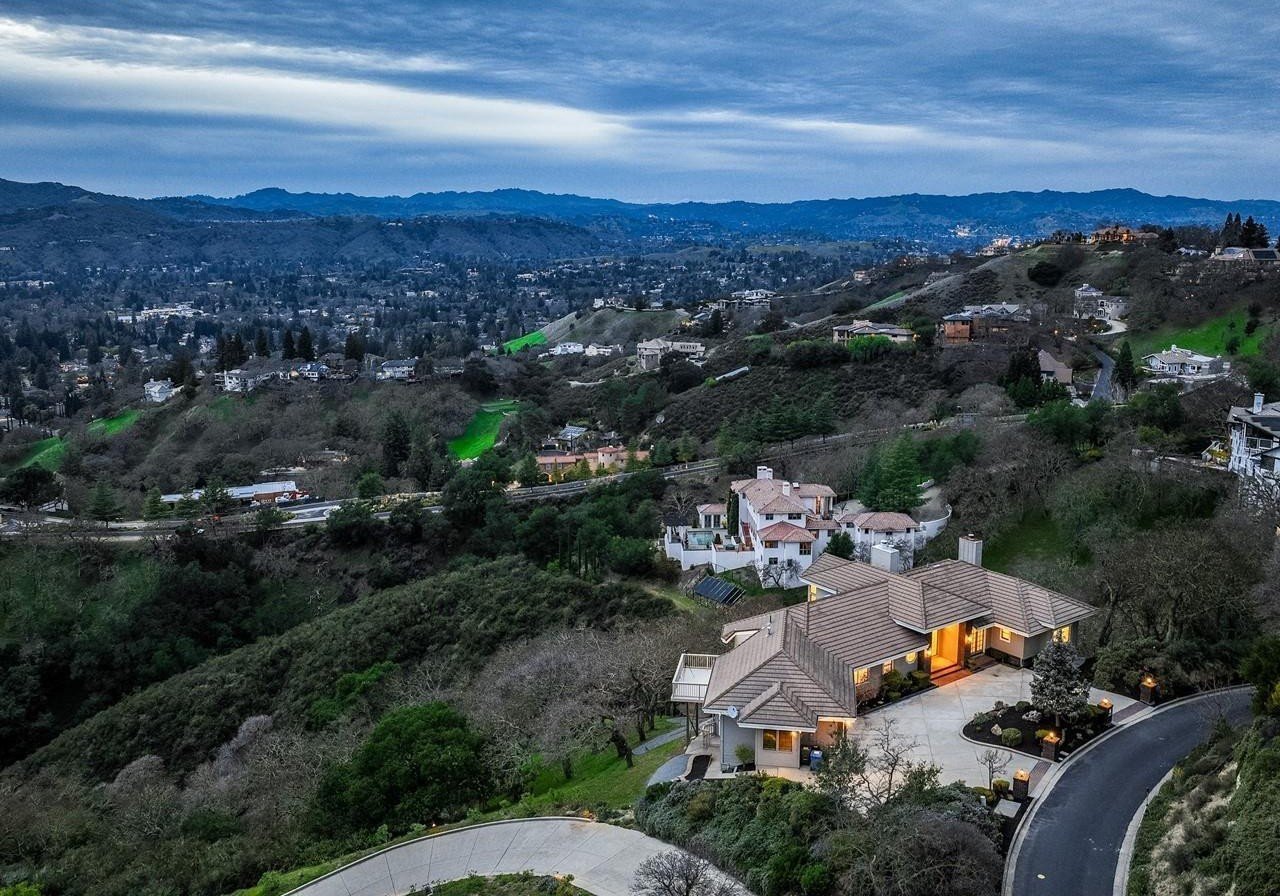
Bollinger Hills: View presentation, drainage documentation, exterior condition, and outdoor living matter most. If drainage has been improved, document it. If there are views, photograph them from the rooms where buyers will experience them daily. The hillside setting is valuable; don't let buyers discover it on their own.
The Eight Questions to Ask Before Spending Anything
Before committing to any pre-sale project:
Will buyers notice it in listing photos or during showings? If the answer is no, the project's value is limited to personal satisfaction, which doesn't help the sale.
Will buyers care enough to pay for it? Some improvements are pleasant but not decision-changing. Buyers won't pay a $50,000 premium for a $40,000 kitchen refresh if the kitchen was already functional.
Will it photograph better? Photos drive showings. Showings drive offers. Every project should be evaluated against its impact on photography.
Will it reduce buyer fear or inspection leverage? Repairs in this category often yield higher returns than cosmetic upgrades because they reduce the risk of mid-escrow renegotiation.
Will it delay our launch into a worse market window? Time is a real cost. A three-month remodel that delays listing can cost more in carrying costs and market timing than the improvement adds in sale price.
Will it appeal broadly? Avoid personal design choices. Pre-sale work should target the broadest pool of qualified buyers for your price range, not your aesthetic.
Will it help us beat active competition? Your home doesn't compete against a theoretical market; it competes against the specific listings buyers are comparing you to this weekend. Know what those homes look like.
Can we price around it instead? Sometimes honesty and accurate pricing are more efficient than construction. A well-priced home with disclosed issues often sells faster and cleaner than an over-improved home at an aspirational price.
When a Remodel Actually Makes Sense
There are situations where significant pre-sale improvement is justified:
The home is functionally obsolete: a kitchen so dated it lacks functional appliances and adequate prep space, and bathrooms in genuinely poor condition that would suppress buyer interest at any price.
The price point demands it: luxury homes in The Bridges, Danville, or Alamo face a higher condition expectation enforced by the market.
The improvement is fast, controlled, and broadly appealing: a bathroom tile replacement that takes three days and uses clean, neutral materials is meaningfully different from a six-week custom kitchen renovation.
The likely buyer response clearly justifies the cost: ideally confirmed by current comparable sales data, not by optimistic projections.
Even in these cases, the improvements should be decided with real market context. Don't remodel because you feel embarrassed about the home's condition. Remodel only when it demonstrably changes buyer demand.
When You Should Not Remodel Before Selling
Don't remodel before listing if: the project reflects highly personal taste, the timeline is uncertain, contractor availability is poor, costs are escalating, the current market window is strong, the home can sell well with targeted prep, the buyer pool may prefer to customize themselves, the remodel won't solve the home's biggest objection, or the project could uncover more problems than it resolves.
A bad remodel is worse than no remodel. A rushed remodel is usually obvious. And buyers can smell panic spending the kind of rushed work that looks impressive in photos but reveals itself at the showing.
How Compass Concierge Fits In
For San Ramon sellers who have identified the right pre-sale improvements but need help funding or coordinating them, our Ease of Sell / Compass Concierge program can cover paint, flooring, staging, landscaping, cleaning, minor repairs, kitchen and bath refreshes, pest work, and other targeted preparation with no payment due until closing.
The key word is targeted. Concierge works best when it funds the right improvements at the right time, not when it provides a budget for everything that might look better. As the #1 Compass Concierge Team for 2020–2025, we've helped hundreds of San Ramon sellers use this program strategically, and we know the difference between Concierge as a tool and Concierge as an excuse to overspend.
See how Ease of Sell works →
Read our full San Ramon 90-day prep plan →
FAQ
Should I remodel my kitchen before selling my San Ramon home?
Usually no. A full kitchen remodel is risky, expensive, and often doesn't pay for itself, especially when your design choices may not match the buyer's preferences. A targeted hardware, lighting, faucet, backsplash, cleaning, and selective counter or appliance refresh usually produces better returns at a fraction of the cost and timeline.
Should I remodel bathrooms before selling?
Not usually. Bathrooms should be clean, bright, functional, and well-maintained. Fresh caulk, grout cleaning, updated lighting, mirrors, and fixtures often accomplish that without a full renovation. Reserve full bathroom remodels for situations where the condition is genuinely damaging marketability.
What upgrades produce the strongest returns before selling in San Ramon?
Paint, lighting, flooring consistency, landscaping, deep cleaning, staging, minor kitchen and bath refreshes, and inspection-risk repairs. These are the improvements that consistently change buyer behavior: more showings, stronger offers, fewer inspection concessions.
What should I avoid spending money on before selling?
Expensive custom remodels, highly personal design choices, major projects with uncertain timelines, and any upgrade that won't change buyer demand more than it costs. Not every improvement pays back, and the wrong ones delay your launch without improving your outcome.
Is staging better than remodeling before a sale?
Often yes, at a fraction of the cost and without the timeline risk. Staging improves photos, helps buyers emotionally connect with the home, and creates urgency that a kitchen renovation cannot generate if the pricing or condition story doesn't support it.
Should I sell as-is instead of improving anything?
Selling as-is is a legitimate strategy when the home needs major work, the seller doesn't want to manage projects, or the buyer pool in that price range expects to customize. But the price and marketing have to reflect the as-is condition honestly; pricing a project home like a product is what produces stale listings.
Thinking about selling your San Ramon home and wondering what's actually worth doing?
As the #1 Compass Concierge Team for 2020–2025, the Frazzano Tse Team will walk your home with you, identify what to fix, what to skip, what to price around, and which improvements are most likely to create the buyer response you're looking for.
Request your free Pre-Sale Strategy Session →
Learn about our full seller process →
See how Ease of Sell funds targeted preparation →
Talk to us directly