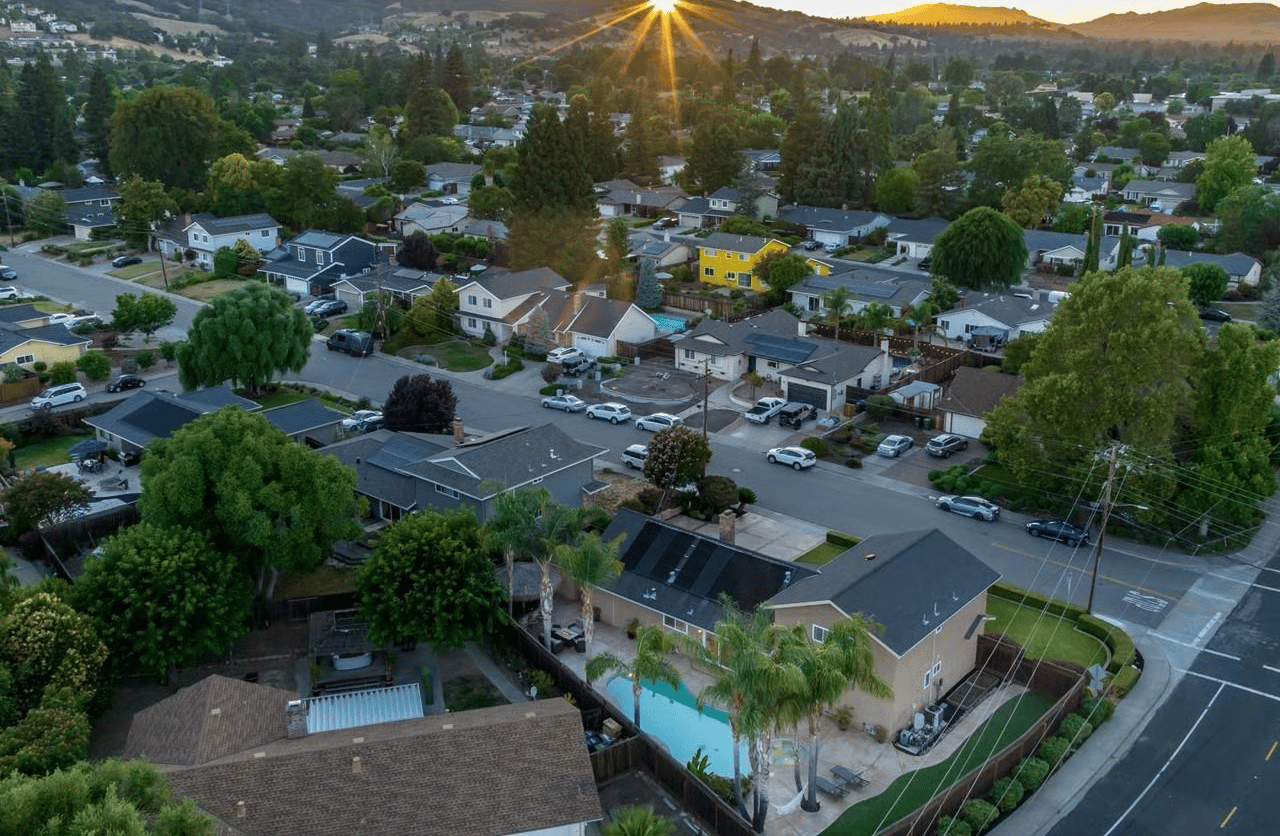
Who this is for: San Ramon buyers who are actively comparing newer planned-community homes in Gale Ranch, Windemere, or Dougherty Valley against more established homes in Twin Creeks, Bollinger Hills, or Central San Ramon and trying to make a confident decision about which type of home will serve them better both in daily living and at resale, also for sellers in either category who want to understand how to position their home's age as a strength rather than a liability.
The decision you're trying to make: Not "is newer better" or "is older more charming"; both of those framings lead to bad decisions. The real decision is which specific combination of age, location, lot quality, condition, maintenance profile, and HOA structure best fits your daily life and your resale plan. Getting this right requires evaluating the actual home, not the category it belongs to.
Why our team has authority: The Frazzano Tse Team has worked in San Ramon, Danville, and the Diablo Valley for over 50 years with $2.7 billion in career sales. We've represented buyers choosing between newer and older San Ramon homes hundreds of times, and we've watched the resale of both play out over multiple market cycles. We know which factors actually hold value and which ones buyers overweight or underweight at purchase.
What you'll know by the end: The honest case for and against both newer and older San Ramon homes, what drives resale value in each category, how the comparison plays out by specific neighborhood, the five steps buyers should take before choosing, and how sellers in each category should position their home differently to reach the right buyer.
The Core Framework: Age Is a Proxy, Not an Answer
Newer and older homes appeal to different buyer priorities, and both can hold value exceptionally well or disappoint badly, depending on factors unrelated to age.
Newer San Ramon homes generally win on: modern floor plans, lower immediate maintenance, planned-community consistency, and move-in-ready presentation.
Older San Ramon homes generally win on: established location, mature landscaping, lot character, architectural variety, and central convenience.
The best resale comes from the right combination of location, condition, layout, price, and buyer demand, not from the construction vintage. San Ramon's median sale price was approximately $1.6M in the three months ending June 2026. Still, that single number obscures a market where newer homes in Gale Ranch and Windemere are trading at $2M+, while established homes in central San Ramon see steeper price compression. Age is part of the story; location and condition tell most of it.
The Honest Case for Newer Homes
Modern Layouts That Match How People Actually Live
The most meaningful advantage newer San Ramon homes offer isn't the age of the systems; it's the floor plan. Homes built in the 2000s and 2010s were designed around how families actually live: open kitchen-and-family-room connections, larger primary suites with walk-in closets and dual vanities, more bathrooms, home office or loft flexibility, practical garage layouts, and better indoor-outdoor connections. These aren't cosmetic differences; they're functional ones that affect daily quality of life in ways buyers feel every morning.
A well-designed newer floor plan often feels more valuable than a larger older home with awkward room relationships, even when the square footage numbers favor the older home.
Lower Immediate Maintenance Anxiety
For buyers already stretching into San Ramon's $1.5M–$2M+ price range, the psychological comfort of not facing an immediate need for a roof replacement, HVAC upgrade, or window replacement matters. Newer systems mean fewer surprises in the first five years of ownership and during inspection, which directly affects offer confidence and the contingency structure.
This advantage is real but time-limited. Gale Ranch and Windemere homes built in the early 2000s are now 20+ years old. Their roofs, HVAC systems, and windows are approaching the same inspection scrutiny that older homes face. "Newer" is a sliding scale, not a permanent exemption from maintenance.
Planned-Community Consistency
Sidewalks, parks, trails, HOA architectural standards, and consistent neighborhood presentation give newer San Ramon communities a polished, predictable feel that some buyers value highly. For families with children who will use parks daily, or buyers who want confidence that their neighborhood will look consistent over time, this planned-community infrastructure is a genuine quality-of-life asset.
Move-In-Ready Perception in Listing Photos
Newer homes tend to photograph well when clean and staged with neutral finishes, open spaces, modern lighting, and brighter interiors. That photographic advantage generates more showing appointments, which is the first step toward a faster sale. In San Ramon's 2026 market, where hot homes sell in about 8 days and average homes take 14–47 days, depending on the neighborhood, the ability to generate showing volume in week one matters significantly.
The Tradeoffs That Matter Most
Lot privacy is the single most underestimated disadvantage of newer planned communities. Homes that look spacious and beautiful in listing photos can feel tight and exposed in person. Stand in the backyard. Check rear-neighbor visibility, second-story window exposure, and side-yard spacing before writing an offer.
HOA rules and dues, plus the CFD/Mello-Roos tax structure in communities like Windemere (~1.7% effective rate versus Gale Ranch's ~1.25–1.4%), add meaningfully to monthly carrying costs that buyers often don't factor into their initial price comparisons.
Similar competition in newer neighborhoods means resale differentiation matters more. If five other homes in the same phase have nearly identical floor plans, buyers will compare your lot, upgrades, staging, and condition with unusual precision.
The Honest Case for Older Homes
Location That Time Has Validated
Central San Ramon's older neighborhoods Twin Creeks, Bollinger Hills, and pockets along San Ramon Valley Boulevard and Crow Canyon Road offer something east San Ramon simply doesn't: proximity to where things are. Bishop Ranch, City Center, I-680, everyday shopping, and the Iron Horse Trail are all closer and more accessible. For buyers who value daily convenience over neighborhood uniformity, the commute and errand time savings from a well-located older home compound over years of daily living in a way that's hard to quantify at purchase but impossible to miss afterward.
Mature Landscaping and Street Character
Thirty-year-old trees, established hedges, and landscaping that has grown into itself create a neighborhood feel that no amount of money can replicate in a newer development. This is a genuine, non-reproducible asset, and when well maintained, it supports property values by making neighborhoods feel settled, warm, and desirable in ways that HOA-mandated landscaping in newer communities doesn't achieve.
Lot Character and Potential Flexibility
Older San Ramon homes often sit on lots with more depth, more outdoor usability, and more privacy than newer planned-community lots, not universally, but frequently enough that it's worth evaluating lot quality carefully when comparing. A generous, private, flat backyard in Twin Creeks can be more valuable in daily living and at resale than a larger home on a tighter lot in Ale Ranch.
Older homes also sometimes offer upside for improvement and the ability to build equity through smart kitchen updates, bathroom modernization, or landscape improvements. But this only works when the purchase price leaves room for the investment. Don't buy an older home at fully-updated pricing unless it's actually fully updated.
The Tradeoffs That Matter Most
Maintenance risk is the obvious one. Older San Ramon homes require a deeper inspection and more honest budgeting for what might be needed in the first five years: roof, HVAC, plumbing, electrical panel, windows, drainage, pest control, and dry rot. These aren't reasons to avoid older homes; they're reasons to price them correctly and inspect them thoroughly.
Dated layouts in some older homes don't align with current buyer preferences: closed-off kitchens, smaller primary suites, fewer bathrooms, limited closet space, and formal rooms with little daily use. Some of this can be improved; some can't. Understand which is which before buying.
Remodel quality uncertainty is critical in older homes that have been updated over time. Were permits pulled for structural changes? Were the electrical and plumbing updated along with the cosmetics? A well-documented, permitted remodel is a genuine asset. An undocumented or poorly executed one is a liability that will surface during the buyer's inspection when you eventually sell.
Which Holds Value Better — The Actual Answer
Neither category holds value automatically better. Resale depends on the specific combination of factors a future buyer will evaluate, which is almost identical to what you're evaluating now.
A newer home holds value well when it offers: a strong floor plan, good lot privacy, a desirable school assignment at the specific address, quality upgrades, clean maintenance records, a reasonable HOA profile, and limited direct competition from similar homes.
An older home holds its value well when it offers: a strong central location, mature landscaping, updated systems with documentation, tasteful and permitted remodeling, a usable lot, privacy, a clean inspection history, and a good school assignment.
In San Ramon's 2026 market, the neighborhoods showing the most price compression are central San Ramon older homes, down 14% year-over-year, while Gale Ranch and Windemere are holding at $2M+ with only modest corrections. That data might suggest newer wins, but it actually reflects buyer composition more than age or quality: the buyers shopping in central San Ramon at lower price points are more rate-sensitive and more price-compressed than the executive buyer pool shopping in Gale Ranch. The underlying value of a well-located, well-maintained older home hasn't changed; the financing environment has affected that buyer pool more.
How the Comparison Plays Out by Neighborhood
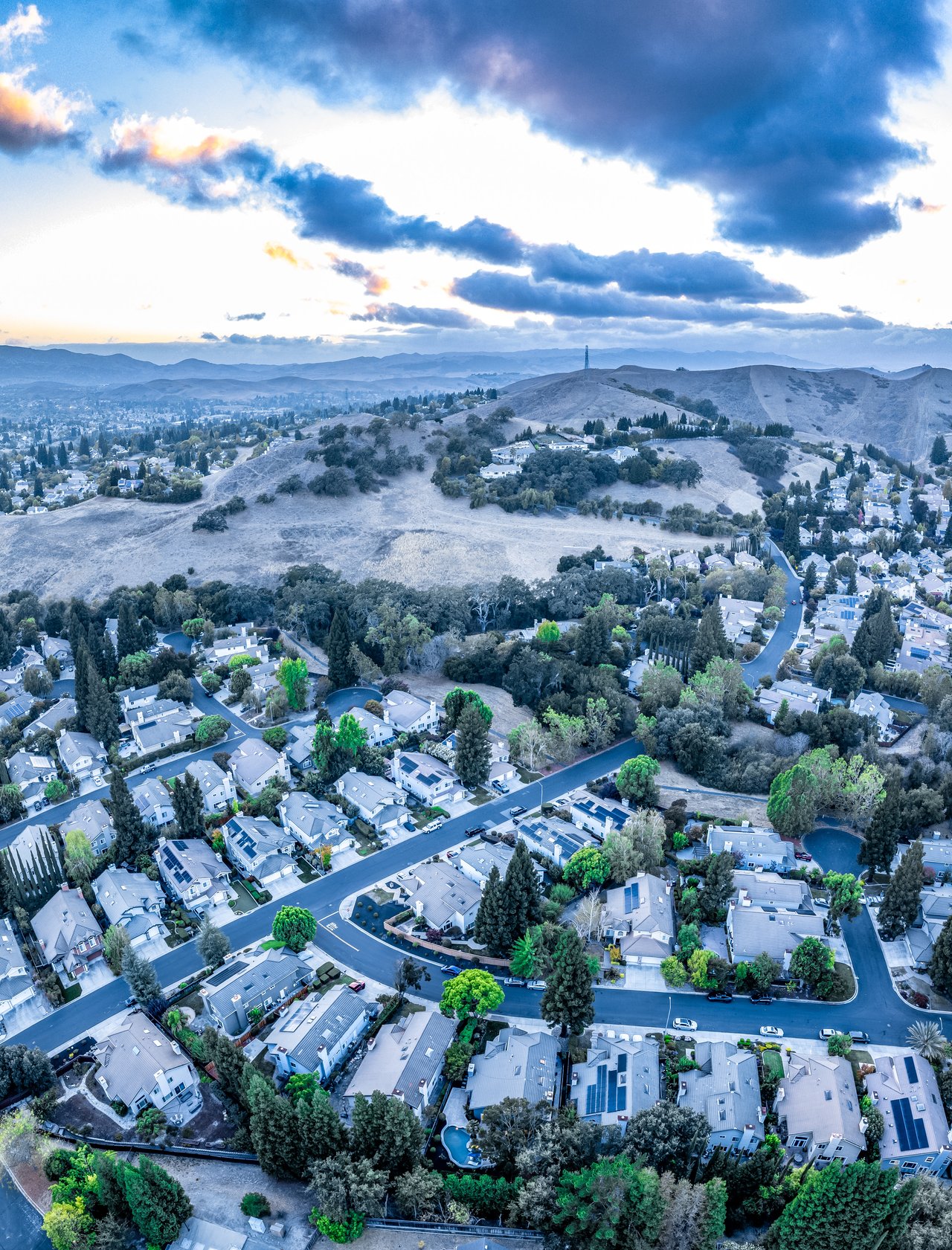
Gale Ranch: Newer planned-community living with polished consistency. Resale strength depends on floor-plan differentiation, lot privacy, upgrades, yard usability, and the school assignment at the specific address. Small differences between comparable homes determine which one sells first and at the strongest price.
Windemere: Newer East San Ramon with more cul-de-sac streets, higher park density, and view pockets. The CFD tax structure (~1.7% effective rate) adds meaningfully to carrying costs versus Gale Ranch. Resale depends on lot, privacy, view, commute pattern, and condition.
Dougherty Valley: Newest construction with top-rated schools as the primary demand driver. Finish level matters more here than in other, newer neighborhoods. Builder-basic homes that haven't been updated can feel dated relative to the premium price point. Days on market have extended, making preparation quality a differentiator.
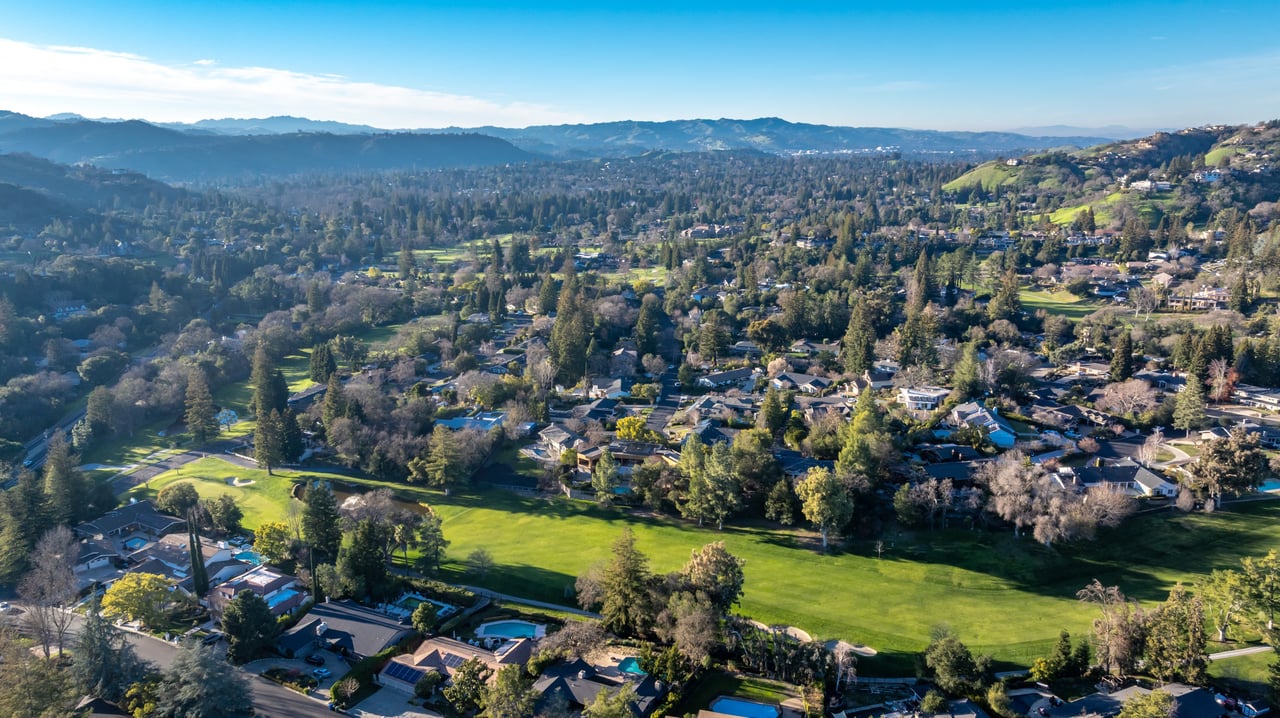
Twin Creeks: Established central San Ramon with the oldest housing stock in this comparison. Lower per-square-foot pricing reflects both older systems and the market compression in central San Ramon. Strong value for buyers who prioritize convenience over newness, provided inspection due diligence is thorough.
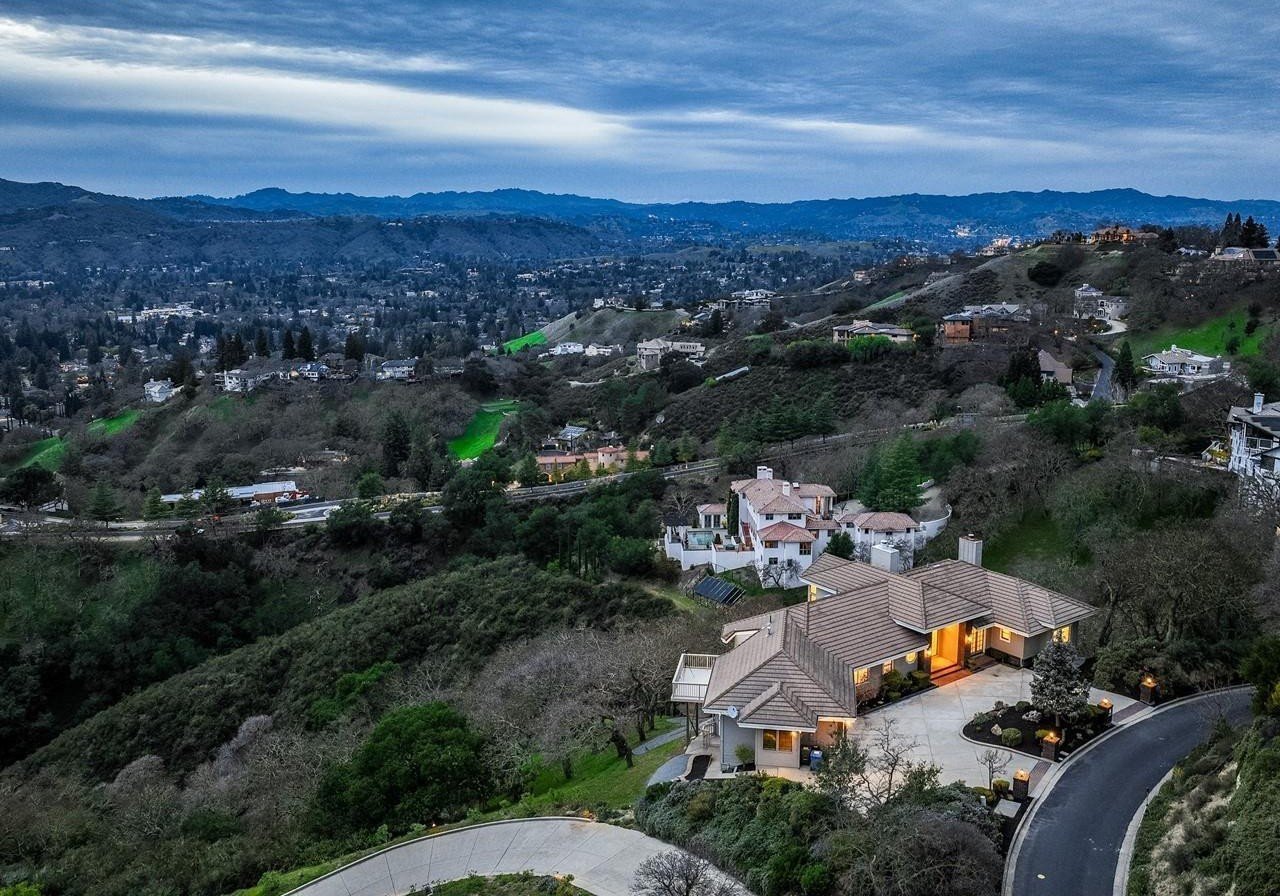
Bollinger Hills: Established hillside character with views, privacy, and HOA amenities. Resale depends heavily on drainage documentation, exterior maintenance, lot usability, view quality, and insurance clarity factors unique to hillside properties that require more careful evaluation than flat-terrain homes in either category.
Canyon Lakes: Mixed property types across a wide price range, condos from $375K to single-family homes over $1M. Age of construction varies within the community. HOA structure (master plus sub-associations) affects monthly costs, and the resale buyer pool more than age does.
Read our full San Ramon neighborhoods guide →
Five Steps Before Choosing Newer or Older
Step 1: Calculate total monthly cost, not just list price. A newer home with CFD taxes and HOA dues may cost more per month than a slightly more expensive older home without those carrying costs. Run the full calculation: purchase price, property taxes (including CFD/Mello-Roos), HOA dues, insurance, estimated maintenance budget, and utility costs before comparing.
Step 2: Inspect for the category-specific risks. For newer homes: drainage, lot privacy, HOA rules, build quality, and similar competition. For older homes: roof, HVAC, electrical, plumbing, pest, foundation or settlement, sewer lateral, windows, permits, and remodel quality. Different homes carry different risks; don't use the same inspection focus for both.
Step 3: Think like the next buyer. Before writing an offer, ask: who will want this home when you sell in 7–10 years? Will the floor plan still work for that buyer? Will the location still be desirable? Will the lot feel private? Will the HOA help or hurt? Will the home feel dated in a decade? This is how you buy with resale in mind without sacrificing your own lifestyle priorities.
Step 4: Verify school assignment at the specific address. School assignment affects buyer demand and resale value, but these cannot be inferred from a neighborhood name, listing remarks, or proximity to a school. Verify directly with SRVUSD's official school locator for every specific address you're seriously considering.
Step 5: Drive the neighborhood at real times. A neighborhood can feel completely different on a quiet Saturday morning than on a Tuesday at 7:45 am during school drop-off and the commute. Visit at multiple times: weekday mornings, school pickup, evening, and weekends before committing. You're buying the daily-routine experience, not the open-house experience.
Talk to us about your specific search →
What Sellers Need to Understand
If you own a newer San Ramon home, don't just say "newer"; explain why the home works. Floor plan and flow, lot privacy (if you have it), backyard usability, view (if present), school assignment, park access, HOA clarity, and condition. In neighborhoods where buyers can see five similar homes, your differentiation needs to be specific and visible.
If you own an older San Ramon home: Don't apologize for it; market the value it represents. Established location and what that means for daily convenience, mature landscaping, lot character, central access, maintenance records and documentation, update quality, and outdoor living. The buyer for a Twin Creeks home is making a specific, conscious choice to prioritize established character over newness, and the market caters to that priority directly.
In both cases, preparation and pricing strategy matter more than the home's age. A well-prepared, correctly priced home in either category will outperform a poorly positioned home in the other, regardless of vintage.
Get a free home valuation →
Learn about our seller process →
See how Ease of Sell can fund pre-sale preparation →
FAQ
Are newer homes better in San Ramon?
Not automatically. Newer homes may offer modern layouts, lower immediate maintenance, and planned-community consistency, but buyers should still evaluate lot privacy, HOA costs including CFD/Mello-Roos structure, commute from east San Ramon, build quality, and resale competition from similar homes.
Are older homes a good buy in San Ramon?
They can be excellent purchases when location is strong, the price reflects condition honestly, and inspection due diligence is thorough. Buyers should carefully evaluate the roof, HVAC, electrical, plumbing, drainage, pest control, remodel quality, and permit history.
Which holds value better, newer or older San Ramon homes?
Neither category holds value automatically better. Resale depends on the specific combination of location, condition, lot, privacy, school assignment, HOA costs, layout, and buyer demand. A well-located older home with clean maintenance history can outperform a newer home with poor lot privacy and high carrying costs.
What San Ramon neighborhoods have newer homes?
Buyers typically look at Gale Ranch, Windemere, Dougherty Valley, and newer east San Ramon pockets in 94582 for newer-construction options.
What San Ramon neighborhoods have older or more established homes?
Twin Creeks, Bollinger Hills, Central San Ramon, and older 94583 pockets offer more established homes with mature landscaping and central-convenience positioning.
Should I buy an older home and remodel it?
That can work well when the location is strong, the purchase price leaves clear room for improvements, and the home's layout supports the changes you're planning. Be cautious about unknown system costs, permit issues from prior remodeling, and the risk of over-improving relative to the neighborhood's price ceiling.
Comparing newer and older homes in San Ramon?
The Frazzano Tse Team will compare specific neighborhoods, resale strength, maintenance risk, HOA and carrying costs, commute patterns, school assignment, and the specific tradeoffs before you write an offer. With 50+ years and $2.7B in career sales across San Ramon and the Diablo Valley, we've guided buyers through this decision hundreds of times.
Browse San Ramon listings →
Talk to us about your search →
Get a free home valuation →
Contact us directly →