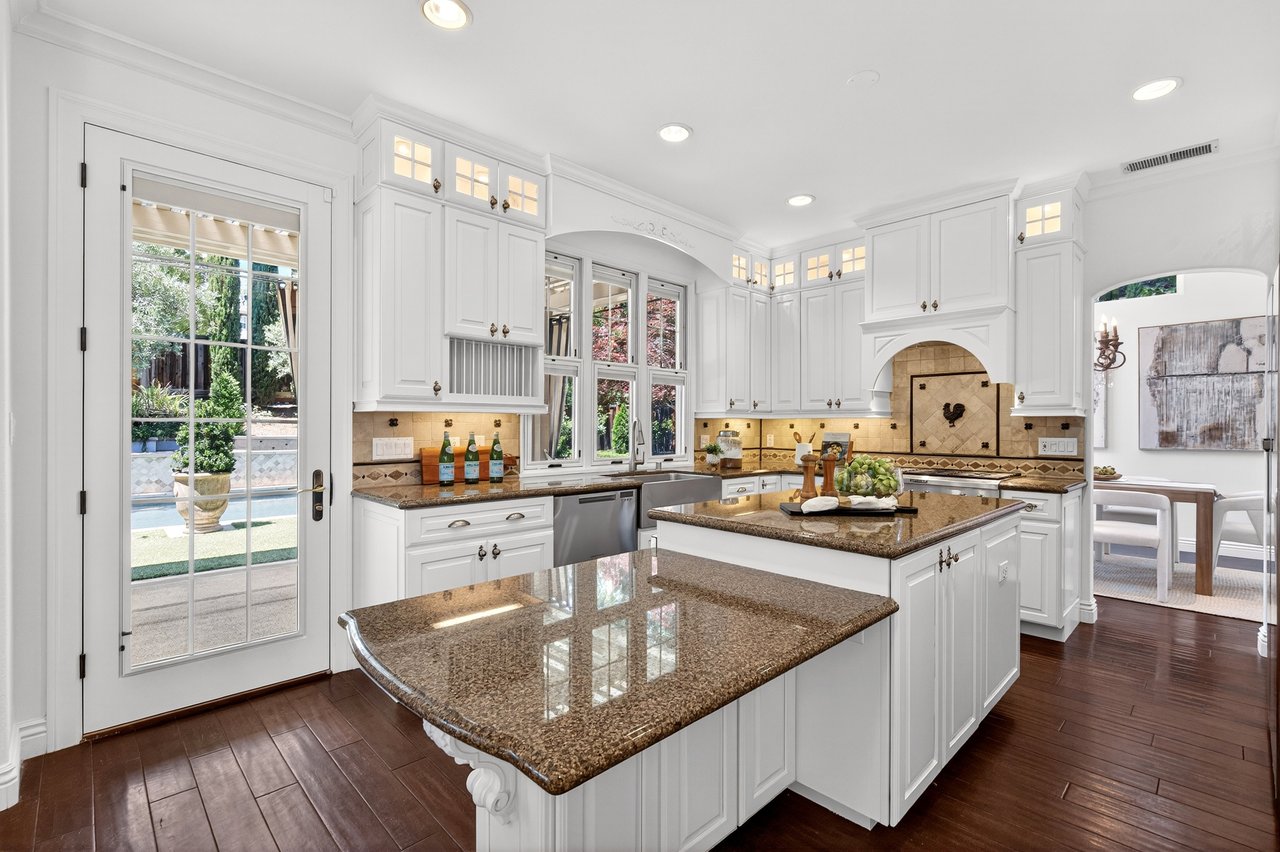
Most sellers think the market punishes "old." That's not true. The market punishes uncertainty.
Buyers do not walk in thinking, "I hate this house." They walk in scanning for risk: hidden repairs, deferred maintenance, and anything that signals the home was not cared for. When they find it, they do one of three things:
- they walk,
- they offer low, or
- They offer high, and claw it back during inspections.
If you want a clean sale with strong terms, this is the short list of the items buyers in Danville tend to penalize the most. Not because they are always expensive, but because they create doubt fast.
The Quick Read
If you do nothing else before listing, address these categories:
- Roof and water intrusion signals
- Electrical and safety red flags
- HVAC functionality and age perception
- Drainage and grading
- Pest and wood-destroying organism concerns
- The "cheap fix" items that scream neglect
This is how you protect your price and reduce renegotiation.
The 12 Pre-Listing Items That Cost Sellers the Most
1) Roof condition and active leaks
Buyers can forgive an older roof if it is clearly maintained and not leaking. They do not forgive stains, active leaks, or vague answers like "we never had an issue."
What to do:
- Fix active leaks immediately.
- Replace broken tiles or shingles.
- Clean gutters and downspouts.
- Provide any roof repair receipts and a clear roof story.
Why it matters:
Water scares buyers because it is unpredictable and expensive fast.
2) Evidence of water intrusion in ceilings, walls, and around windows
Even if the leak is old and repaired, stains trigger fear. Buyers think of mold and rot.
What to do:
- Identify and fix the source first.
- Repair drywall properly.
- Prime and paint so it reads clean.
- Disclose honestly, but remove the visual alarm bells.
3) Foundation cracks, sloping floors, or major settling "feel."
Most homes have some settling. Buyers panic when they feel it.
What to do:
- If cracks are significant, get a contractor or engineer's opinion before listing.
- Fix drainage issues that cause movement.
- Make sure doors and windows operate smoothly.
This is not about hiding. It is about removing uncertainty.
4) Drainage and grading
In Danville, buyers notice how water moves on a property, especially with yards, hillsides, and older drainage systems.
What to do:
- Ensure gutters drain away from the home.
- Confirm downspouts discharge properly.
- Fix obvious pooling areas.
- Clean French drains if present.
Drainage is one of the most common "inspection leverage" triggers.
5) Termites and Section 1 issues
If you do not handle pest and wood-destroying organism issues upfront, you are inviting a buyer to demand a credit with a buffer. Buyers tend to inflate these numbers because they do not want the hassle.
What to do:
- Get a pest report before listing if the home is older or has wood exposure.
- Handle Section 1 repairs when it makes sense.
- Provide clean documentation.
6) Electrical panel and obvious electrical safety issues
This is a trust issue. Buyers interpret electrical problems as "the house is a surprise factory."
Common red flags:
- Double-tapped breakers
- Exposed wiring
- Non-functioning GFCI outlets in kitchens, baths, and exterior areas
- Outlets that spark or are loose
What to do:
Have a licensed electrician correct safety and code issues that show up on basic inspections.
7) HVAC: age, performance, and maintenance story
Buyers react strongly to HVAC systems that feel old or inconsistent, even if it technically works.
What to do:
- Service the system.
- Replace filters.
- Provide service records.
- Fix obvious airflow issues.
- If it is near the end of life, decide if you want to replace or price accordingly.
A clean HVAC story reduces friction.
8) Water heater, shut-off, and plumbing leaks
Buyers notice corroded connectors, slow leaks, water staining, and old water heaters.
What to do:
- Replace a very old water heater if it is a clear objection.
- Repair leaks under sinks and at visible shut-offs.
- Strap the water heater properly if needed.
- Replace brittle supply lines.
These are not glamorous fixes. They are deal-protection fixes.
9) Sewer lateral and drain performance
This is one of the biggest "unknowns" that can wreck negotiations, especially on older homes.
What to do:
- If the home is older and you want certainty, consider a sewer lateral video inspection before listing.
- At minimum, confirm drains are flowing cleanly, and there are no obvious backups or slow drains.
- Clear root intrusion if discovered.
If you do not define this risk, the buyer will define it for you, and they will not be generous.
10) Windows and doors that stick, fog, or do not lock
Buyers interpret sticking doors and windows as signs of settling, moisture, or neglect.
What to do:
- Fix latches and locks.
- Adjust doors that drag.
- Repair broken seals where feasible.
- Make sure sliding doors glide and lock.
This is low-cost and high-perception.
11) Attic and insulation problems
Attics reveal the truth. Buyers and inspectors look for:
- stains
- improper venting
- missing insulation
- signs of pests
What to do:
- Fix roof or venting problems before cosmetic work.
- Clean up debris.
- Replace damaged insulation where needed.
- Ensure attic access is safe and clear.
12) The "cheap fix" items that scream neglect
These do not usually cost much, but they destroy trust:
- loose handrails
- missing smoke or CO detectors
- cracked outlet covers
- dripping faucets
- broken sprinkler heads
- rotted fence boards
- peeling paint on trim
- damaged screens
What to do:
Spend one day doing a real "finish pass." Buyers reward homes that feel cared for.
The real goal: remove leverage before it appears
Buyers use inspections as leverage when the home is presented as "turnkey" but delivers surprises.
Your pre-listing strategy should be one of these two approaches:
Option A: Sell it as a product
You address the major objections up front, your disclosures are clean, and your pricing is confident.
Option B: Sell it as a project
You do fewer repairs, but you price sharply, and you communicate clearly that the buyer is buying a project.
What fails is the middle:
A project-priced-like-a-product, with vague answers and visible issues.
That is where listings stall and renegotiations get ugly.
Danville Pre-Listing Inspection FAQ
Should I do a pre-listing inspection in Danville?
If your home is older, has visible wear, or you want maximum control, a pre-listing inspection can reduce surprise and reduce negotiation leverage. It is not required, but it can improve certainty.
Won't repairs reduce my profit?
Some repairs are profit-negative. Others protect you from a larger price reduction later. The right question is: "Does this remove a major objection that would scare off my best buyers?"
What repairs are usually worth doing before listing?
Items that remove fear: leaks, electrical safety, pest issues, obvious drainage problems, HVAC performance, and the finish-pass neglect items.
What if I do not want to fix anything?
Then you cannot price like you fixed everything. Price for reality, not hope.
How do I prevent buyers from using inspections to renegotiate?
Reduce uncertainty before you list, disclose clearly, and eliminate the obvious objections. Buyers renegotiate when they believe you hid something or when they discover expensive unknowns.
What to do next
If you're thinking about selling in Danville, your best first move is not "let's pick a list price." Your first move is a prep and leverage plan.
A proper plan answers:
- What will buyers penalize in your home specifically?
- Which 3 to 5 items are worth fixing, and which are not?
- How do we price so week one drives urgency?
Want to know what buyers will penalize in your home specifically?
Book a 15-minute Pre-Listing Inspection Game Plan, and we'll identify the top 3 fixes that protect your price and reduce renegotiation.