Most sellers lose money in the 30 days before listing for one simple reason: they treat prep as a cost rather than a strategy.
The uncomfortable truth is that buyers don't pay for your effort — they pay for how a home feels. If it feels turnkey, they compete. If it feels like work, they negotiate or walk. And the gap between those two outcomes in the East Bay market can easily be six figures.
Compass Concierge exists to solve the biggest seller bottleneck: getting the right work done without turning your life into a construction site or coming out of pocket before the sale closes.
Here's what tends to deliver the biggest return, grounded in current data — plus how to think about ROI like a professional rather than an optimist.
What Compass Concierge Actually Is
Compass Concierge is a program that fronts the cost of pre-sale improvements, with repayment due at closing. You pay for the services when one of the following occurs: your home sells, you terminate your listing agreement with Compass, or 12 months have passed since your Concierge start date. Depending on your state, fees or interest may apply — confirm the current terms with your agent.
It is not a remodel budget. It is best used for targeted, high-impact work that changes buyer behavior. The goal isn't the nicest house on the block; it's the one that reads as done, clean, and low-risk to buyers.
The 7 Upgrades That Consistently Move the Needle
1. Interior Paint — The Highest-Leverage Dollar You Can Spend
Fresh paint does three things simultaneously: it erases wear signals, modernizes the feel, and dramatically improves listing photos. The ROI of a new interior paint job is around 107% — but that return is only achievable when the job is done flawlessly, with perfect coverage, clean edges, and neutral colors. This is not a DIY item if you want the return.
When it pays most: Homes with dated colors, patchy walls, heavy accent colors, or anything that photographs dark.
2. Staging — Positioning, Not Decoration
Staging is not about making a home look pretty. It's about helping buyers emotionally "get it" quickly, especially in spaces with unusual layouts or heavy furniture from the seller. According to the National Association of Realtors, staged homes sell for an average of 1–5% more than non-staged homes and tend to sell faster. On a $2M East Bay home, that's $20,000–$100,000 of upside from a staging investment that typically runs $1,500–$4,000.
When it pays most: Empty rooms, unconventional floor plans, anything that photographs flat or feels cold.
3. Flooring — The "Turnkey" Signal Buyers Test Immediately
Nothing kills the turnkey feeling faster than worn carpet, pet odors, or scratched hardwood that looks gray in photos. Flooring updates can increase home value by $11,731 on average, according to HomeLight survey data, and buyers notice floor condition before they consciously register it. Hardwood floors in particular can provide a return of around 70–80%; high-quality luxury vinyl plank is a viable alternative at a fraction of the cost.
When it pays most: Older carpet, pet wear, mixed transitions between rooms, or hardwood that looks tired in photos.
4. Landscaping and Curb Appeal — The First 15 Seconds
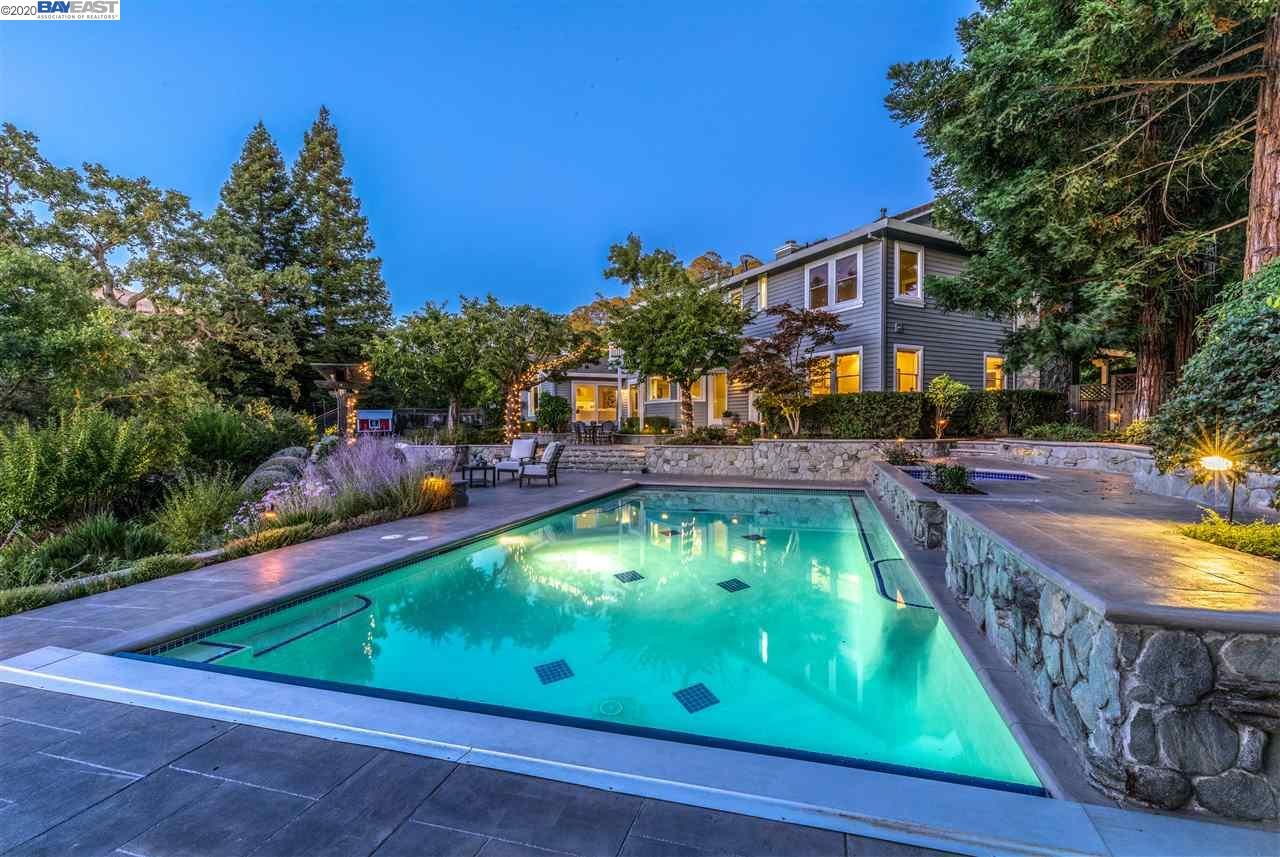
Buyers decide how they feel about a home before they walk through the door. Exterior presentation is the first filter — and the data makes a strong case for investing here. Basic landscaping — fresh mulch, trimmed hedges, defined garden beds, seasonal flowers — costs $500–$3,000 and can increase perceived value by 5–12% according to a joint study by the National Association of Realtors and the National Association of Landscape Professionals.
When it pays most: Front yards that read unkempt, backyards without a defined purpose, or any home where the arrival experience doesn't match the interior quality.
5. Cosmetic Kitchen and Bath Refreshes — Update the Signals, Not the Structure
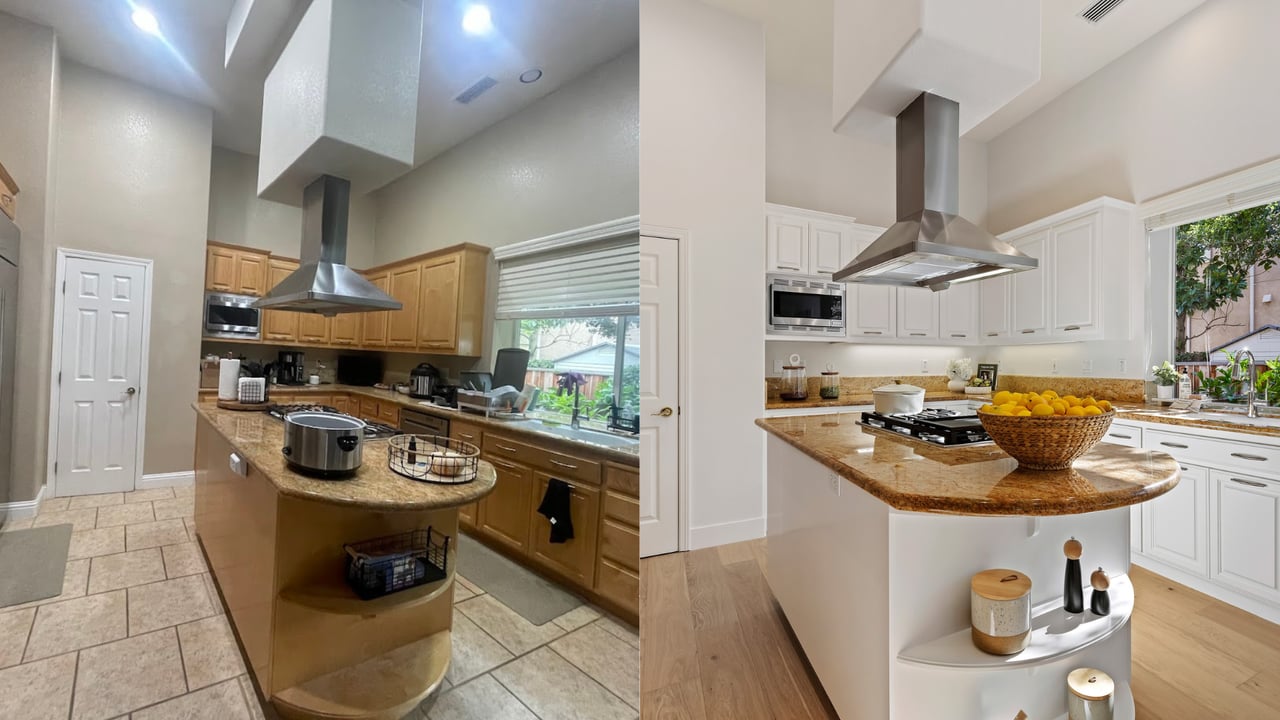
You do not need a full remodel to make a home feel current. In fact, the data argue against it. A minor kitchen remodel — cabinet refacing or fresh paint, new countertops, updated appliances, a modern backsplash, improved lighting — jumped from 96% ROI in 2024 to 113% ROI in 2025. By contrast, a major kitchen overhaul returns approximately 38–59% of its cost. More spending, lower return. The strategic play is targeted modernization: new hardware, updated fixtures, and paint that removes dated signals.
When it pays most: Homes that are structurally fine but visually stuck in 2008.
6. Seller-Side Inspections — Remove Buyer Leverage Before It Exists
The most expensive moment in a sale is when a buyer discovers a problem after their offer is accepted. That's when they renegotiate from a position of power — or walk entirely. Getting ahead of this with a pre-listing inspection, sewer lateral inspection, and any required remediation shifts control back to you.
When it pays most: Homes built before 1990, homes with prior repairs of unknown quality, or any seller who wants to go into negotiations without surprises.
7. The "Fear Fixes": HVAC, Roofing, and Pest Issues
Most buyers can tolerate cosmetic work. They cannot tolerate perceived risk. A flagged HVAC system, a roof with deferred maintenance, or a pest report with active findings will either crater your offer terms or kill the deal entirely. These fixes rarely "add value" in an appraisal sense — but they remove discount, which amounts to the same thing.
When it pays most: Any condition issue that could spook a buyer, trigger lender concerns, or hand a negotiating chip to the other side.
How to Think About ROI Without Fooling Yourself
The most common seller mistake is measuring ROI only as a sales price increase. That's too narrow.
Real ROI from pre-sale work also includes:
- Fewer buyer objections during inspection
- Stronger initial offer terms (fewer contingencies, faster close)
- Reduced concessions after inspection
- Faster time to close, which has real carrying-cost value
The average homeowner spends $15,000–$20,000 on pre-sale improvements, yet many recoup less than 60 cents on every dollar they invest — because they spend on the wrong projects. Compass Concierge is only as valuable as the strategy behind it. The question isn't "what can we fix?" It's "what is a buyer going to object to, and what will make them compete?"
The Two Bad Moves to Avoid
Spending on the wrong projects. High cost, low buyer impact. A full primary suite remodel, a pool, a converted bedroom — these often return 30–40 cents on the dollar before a sale. They feel like an investment; they function as an expense.
Spending nothing and expecting turnkey pricing. Buyers in this market are sophisticated. They know what finished looks like, and they price the work they'd have to do into their offers — usually at a premium to actual cost.
Concierge is strongest when used to fund the right projects, not the most projects.
How It Works
The process is intentionally flexible: you and your agent work together to decide which services are likely to increase your home's value and set an estimated budget. Your agent coordinates vendors and contractors. Once the work is complete, the home goes to market. Payment is triggered when your home sells, when you terminate your listing agreement with Compass, or when 12 months have passed since the Concierge start date — whichever comes first.
Compass offers no guarantee of results, and individual outcomes vary. The program works best when the project selection is strategic, not aspirational.
FAQ
Is Compass Concierge free money? No. It is structured pre-sale financing with repayment at close. Depending on your state, fees or interest may apply. Compass is not the lender for Concierge Capital loans (that's Notable Finance). Confirm the current terms with your agent before committing.
What services are covered? A wide range: staging, paint, landscaping, flooring, inspections, HVAC, roofing repair, electrical, plumbing, cosmetic renovations, and more. Confirm with your agent whether your specific project qualifies.
Does it guarantee a higher sale price? No. Compass explicitly states that results are not guaranteed and individual results vary. The goal is to increase demand, reduce buyer objections, and improve the quality of offers, which consistently improve outcomes, but it is not a promise.
What's the single highest-ROI project for most East Bay sellers? In most cases, paint and staging, in that order. Both are relatively low-cost, dramatically affect how buyers feel, and have an outsized impact on listing photos, where most buyers form their first impression before they ever step inside.
Want to know if Concierge makes sense for your home? Request a 15-minute Concierge ROI Review. We'll map the top 3 projects most likely to change your outcome — and the 3 you should skip.