Who this is for: San Ramon homeowners preparing to list and deciding which pre-sale improvements are worth doing and which are expensive distractions. This guide is also for sellers who have heard about Compass Concierge and want to understand how to use it strategically rather than just as a spending mechanism.
The decision you're trying to make: Not "should I fix things before listing" you should. The real decision is which things, in what order, at what investment level, so that every dollar spent either increases buyer urgency, reduces inspection leverage, or improves your negotiating position. The wrong projects cost money and delay your launch. The right ones change your outcome.
Why our team has authority: The Frazzano Tse Team is the #1 Compass Concierge Team for 2020–2025, with $2.7 billion in career sales across San Ramon, Danville, and the Diablo Valley. We have coordinated hundreds of pre-sale preparation projects through the Concierge program and know neighborhood by neighborhood and price point by price point which improvements produce results and which ones don't.
What you'll know by the end: What Compass Concierge actually is and how repayment works, the 8 highest-leverage pre-sale upgrades for San Ramon homes in 2026, how the right strategy varies by neighborhood, a clear filter for deciding what's worth doing versus what to skip, and how to think about ROI beyond just "did the price go up."
The Core Problem Compass Concierge Solves
Most sellers know their home could show better. The harder question the one that costs sellers money when they answer it wrong is which improvements are actually worth doing.
Sellers make expensive mistakes in both directions. They do too little and leave buyer objections sitting in plain view, giving buyers ammunition for mid-escrow renegotiation. Or they spend money on the wrong projects: vanity upgrades, over-customized finishes, full remodels that don't pay back without meaningfully changing buyer demand.
Compass Concierge bridges that gap by funding and coordinating pre-sale services including staging, painting, flooring, landscaping, HVAC, roofing repair, inspections, pest control, kitchen and bathroom improvements, and cosmetic renovations. But the program is only as powerful as the strategy behind it.
The goal is not to do the most work. The goal is to do the right work.
How Compass Concierge Works — The Plain English Version
Compass Concierge is designed to help sellers prepare their home for market without paying upfront. You and your agent identify which services are most likely to improve the home's value and marketability, set an estimated budget, complete the work, list the home, and repay according to the terms of the Compass Concierge Loan Agreement.
Compass states that repayment may be triggered when the home sells, when the listing agreement is terminated, after 12 months from the Concierge start date, or under other circumstances stated in the loan agreement. Notable: Finance Compass provides Concierge Capital loans; it is not the lender. Fees or interest may apply depending on your state.
The practical advantage for San Ramon sellers: you can fund $15,000–$100,000 in targeted pre-sale preparation without carrying those costs during the listing period, which matters especially for sellers who are simultaneously managing a move or a purchase.
Program terms can change. Confirm current terms and eligibility directly with us before making any decisions. Talk to us about whether Concierge makes sense for your home →
The 8 Pre-Sale Upgrades That Consistently Pay Back in San Ramon
1. Paint — The Highest-Leverage Dollar You Can Spend
Paint is almost always the strongest return on a pre-sale investment because it changes the feeling of an entire home immediately in person and in listing photos. San Ramon buyers compare homes online before they schedule showings. Dark, dated, or visually busy photos cause buyers to skip a listing before they ever consider the floor plan or location.
Paint helps most when a home has bold room colors, tired or scuffed walls, yellowed trim, mismatched touch-ups, dated accent walls, dark hallways, or exterior wear. The goal isn't sterile white everywhere; it's clean, bright, and cohesive. Fresh paint tells buyers the home has been cared for. That perception cascades into every other impression they form.
2. Lighting — The Most Consistently Underestimated Upgrade
A home can be structurally sound and well-located and still feel dated if the lighting is wrong. San Ramon buyers respond to homes that feel bright, open, and intentional, and lighting is what creates that feeling before buyers consciously register why.
High-impact lighting upgrades include: entry fixtures, kitchen pendants and task lighting, dining fixture, bathroom vanity lighting, hallway fixtures, consistent warm bulb temperature throughout, and exterior lighting that makes the home feel welcoming after dark. Mixed bulb colors and builder-grade fixtures left unchanged alongside one new pendant create visual incoherence that buyers translate as neglect. Good lighting says "someone thought about this home."
3. Flooring — The Visual Connective Tissue of the Home
Flooring connects every room visually, which means floor condition affects how the entire home feels, not just the rooms where problems are visible. Worn carpet, scratched hardwood, dated tile, mismatched transitions between rooms, and stained areas all signal to buyers that the home needs work. That signal creates a discount in their minds before they've seen anything else.
The question to ask before any flooring decision: does this make the home feel move-in ready or like a project? If the answer is "project," buyers will price that in during negotiations. Sometimes refinishing or professional cleaning is enough. Sometimes targeted replacement in the most visible rooms is the right call. Rarely is full replacement necessary.
4. Staging — Positioning, Not Decoration
Staging is not about making the home look pretty. It's about helping buyers understand it quickly and emotionally before they consciously decide whether they like it. San Ramon homes often have family-oriented layouts, formal living and dining spaces, lofts, dedicated offices, large kitchens, and indoor-outdoor connections. Buyers need to see how those spaces function, not imagine it from an empty room.
Good staging helps buyers understand room scale, traffic flow, furniture placement, work-from-home potential, and how the home supports their actual lifestyle. Vacant homes almost always need it because empty rooms feel smaller and colder. Occupied homes usually need editing too much furniture, too many personal items, and undersized rooms all hurt buyer perception and photographs.
The ROI case for staging in San Ramon's $1.5M–$2M+ price range is consistently positive. The cost is almost always recovered in faster sales, stronger offers, or both. Learn about our staging approach →
5. Landscaping and Curb Appeal — The First Impression That Happens Before the Door
Buyers start judging before they reach the front step. In San Ramon's polished suburban neighborhoods, landscaping condition is an immediate signal: if the yard looks tired, overgrown, or neglected, buyers assume the interior may reflect the same standard of care.
High-leverage landscaping work: fresh mulch, trimmed shrubs, removal of dead plants, improved front entry presentation, repaired irrigation, refreshed lawn areas, cleaned hardscape, and simple seasonal color at the entry. Backyards matter equally; buyers want to see how they'll use the outdoor space. A yard without a clear purpose reads as a project, and projects get discounted.
6. Kitchen and Bath Refreshes — Targeted, Not Renovated
Most San Ramon sellers should not do a full kitchen or bathroom remodel before listing. Full remodels are expensive, slow, risky if finish choices miss the buyer demographic, and rarely pay back dollar-for-dollar. What does pay back is targeted modernization that removes dated signals without overspending.
Kitchen refresh examples: new cabinet hardware, updated lighting, faucet replacement, fresh backsplash, counter polishing or repair, appliance cleaning or targeted replacement. Bathroom refresh examples: new mirror and lighting, recaulking, grout cleaning, shower glass replacement or cleaning, vanity or fixture updates, exhaust fan replacement.
The goal is kitchens and baths that feel clean, current, and low-risk. Buyers at this price point don't need every room to be brand-new, but they do need the home to feel maintained and intentional throughout.
7. Inspection-Risk Fixes — Where Sellers Protect Negotiating Position
Beautiful presentation brings buyers in. Clean inspections keep them in contract. This is the category sellers most consistently underinvest in and the one that creates the most expensive mid-escrow surprises.
Inspection-risk items covered by Compass Concierge include: HVAC servicing, roofing repair, pest control and dry rot remediation, drainage improvements, plumbing leak repairs, electrical safety items (GFCI outlets, panel labeling), water heater strapping, window and door function repairs, and pre-listing inspections and evaluations.
The strategic logic is simple: if buyers discover a problem after they're in escrow, they ask for a credit plus a cushion for uncertainty. If you define and address the problem before listing, you control the narrative. A known, repaired issue is far less expensive than a discovered one.
Read our full pre-listing inspection checklist for San Ramon sellers →
8. Deep Cleaning and Final Presentation — Not Optional
A home can have beautiful upgrades and still feel poorly prepared if it isn't genuinely clean. Cleanliness signals care, and buyer confidence is built from dozens of small signals, not just the obvious ones.
Focus on: deep cleaning throughout, windows (inside and out), tracks and door frames, baseboards, vents, appliances inside and out, grout, cabinet interiors, garage, closets, patios and exterior entry, and all light fixtures. Buyers may not consciously say "the baseboards were spotless." But they feel the difference between a home that's been thoroughly prepared and one that hasn't, and that feeling affects what they offer.
How the Right Strategy Varies by San Ramon Neighborhood
Gale Ranch and Windemere
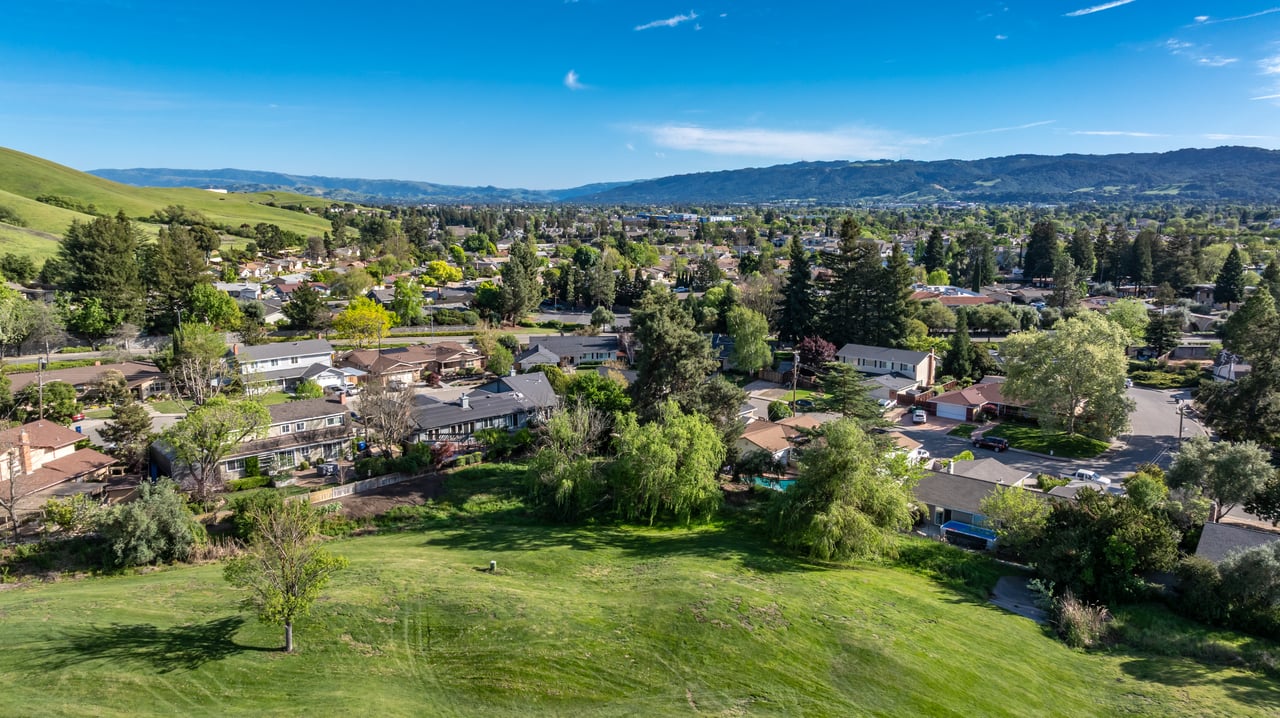
In newer east San Ramon planned communities, buyers are comparing homes with similar floor plans, similar ages, and similar baseline conditions. Small differences determine which home gets the offer. Better staging, cleaner paint, updated lighting, stronger backyard presentation, and superior photography all matter disproportionately because the homes themselves are otherwise comparable. The home that feels most polished consistently wins attention and offers.
Dougherty Valley
Dougherty Valley buyers value newer construction, schools, parks, and planned-community lifestyle. Sellers should focus on showing the home as move-in ready, making the kitchen and family room areas feel bright and functional, improving backyard privacy and usability, and documenting maintenance history clearly. Newer does not automatically mean updated if finishes feel dated or builder-basic; buyers in this market notice and negotiate accordingly.
Twin Creeks and Central San Ramon
For older and more established homes, buyers care more about maintenance and condition than in newer communities. Concierge strategy here typically focuses on roof and gutter clarity, HVAC servicing, pest and dry rot repairs, paint, flooring, lighting, landscaping, and creating a strong entry feel. The goal is to prevent buyers from perceiving the home as a maintenance burden, which is the primary discount driver for older San Ramon inventory.
The Bridges, Canyon Lakes, and Bollinger Hills
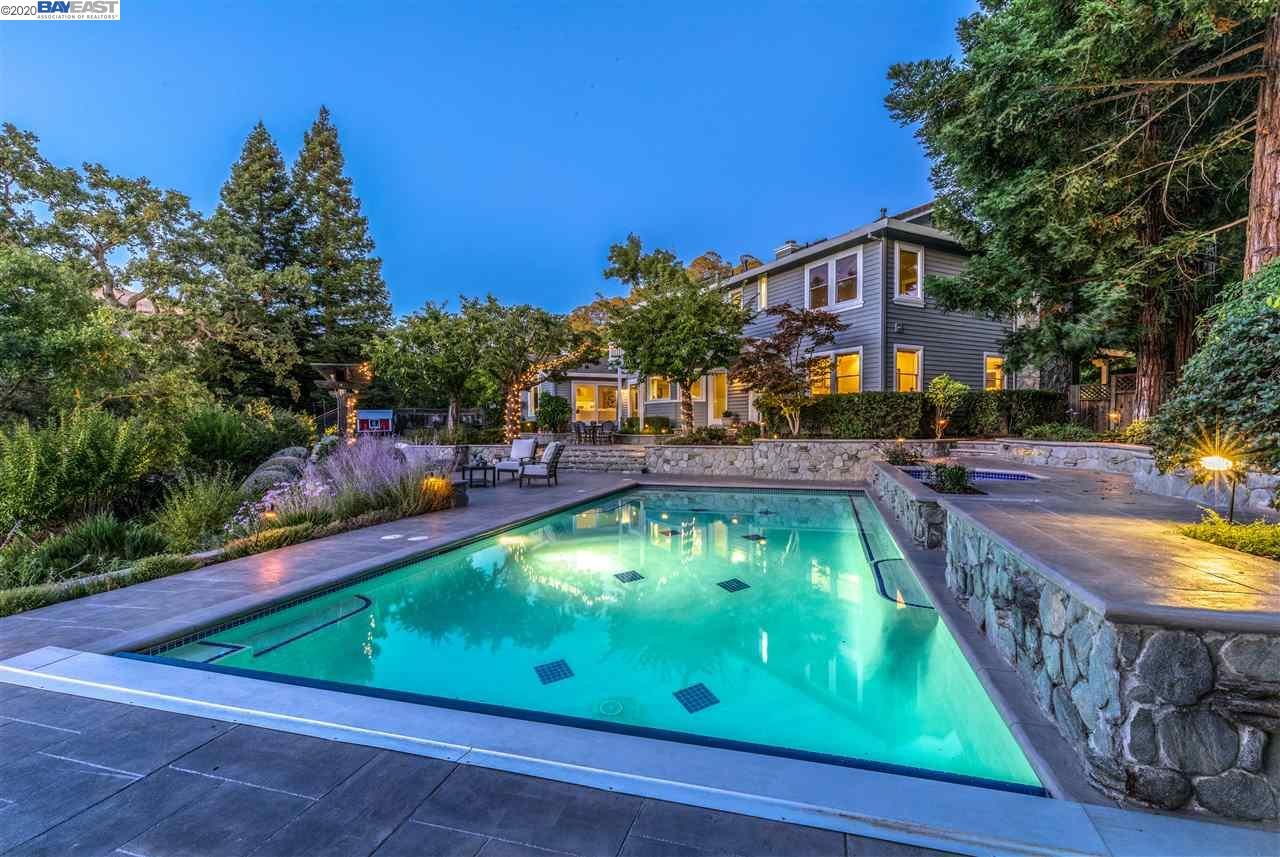
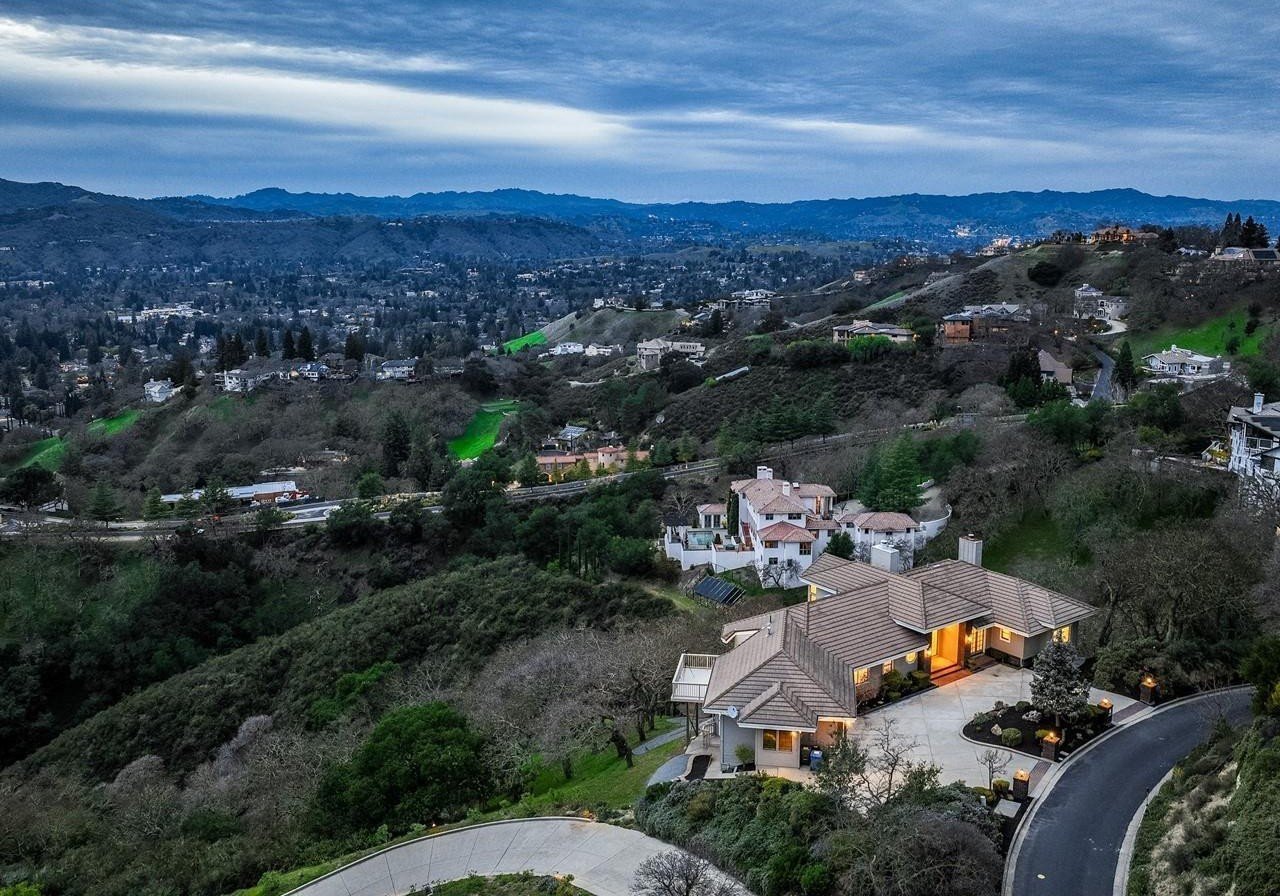
At higher price points, buyer expectations rise proportionally. Luxury San Ramon sellers should focus on: strong curb appeal, outdoor living presentation, pool and spa condition if applicable, updated kitchen and bath feel, staging that matches the price tier, professional photography and video, and view and privacy positioning. At these price points, "almost updated" gets penalized harder than anywhere else; buyers expect the home to feel aligned with what they're paying.
The Filter: What's Worth Doing vs. What to Skip
A project is worth doing if it: improves first impression, makes listing photos perform better, reduces buyer fear, fixes obvious deferred maintenance, makes the home feel brighter or more current, supports a stronger pricing position, prevents likely inspection renegotiation, or helps buyers emotionally commit to the home.
A project is probably not worth doing if it: is overly personal or customized to your taste, requires too much time relative to launch timeline, costs significantly without changing buyer perception, creates design risk if the finish choices don't land well, delays the launch without improving demand, or tries to solve a problem buyers at your price point won't meaningfully care about.
The discipline to distinguish between these two categories is where the real value of a strong pre-sale strategy lives.
How to Think About ROI Beyond "Did the Price Go Up"
The wrong question is: will I get every dollar back?
Better questions: will this increase buyer urgency? Will this reduce negotiation leverage during inspections? Will this help the home photograph better and attract more qualified showings? Will this let us price more confidently? Will this reduce days on market? Will this improve offer terms beyond just price?
ROI is not only sale price. ROI is also control over the narrative, the timeline, the inspection process, and the offer terms. A well-prepared home attracts stronger offers, better contingency structures, fewer repair requests, and smoother escrows. That aggregate value often exceeds what shows up as price premium alone.
As the #1 Compass Concierge Team for 2020–2025, we've seen this math work out hundreds of times. The sellers who treat preparation as strategy consistently outperform the sellers who treat it as expense.
What to Avoid
Don't over-remodel. A full renovation right before listing is rarely the right call unless the home genuinely needs it and the budget clearly supports recovery. Most San Ramon sellers are better served by targeted prep.
Don't use cheap finishes. Buyers can spot rushed work. A cheap cabinet repaint with visible brush strokes or low-quality LVP flooring installed over a weekend makes the home feel worse, not better, because it signals a seller who cut corners.
Don't ignore systems while perfecting surfaces. Paint and staging cannot fully distract from a failing roof, poor drainage, or broken HVAC. Buyers hire thorough inspectors. The systems story matters as much as the visual presentation.
Don't design for yourself. You are preparing a product for the broadest qualified buyer pool in your price range. Finish choices should be neutral and broadly appealing, not a reflection of your personal aesthetic.
Don't start without a sequenced plan. Repairs, painting, flooring, staging, cleaning, photography, and launch timing need to be coordinated in the right order. Starting in the wrong sequence creates rework, delays, and unnecessary cost.
FAQ
What is Compass Concierge and how does it work for San Ramon sellers?
Compass Concierge funds and coordinates pre-sale improvements, staging, paint, flooring, landscaping, HVAC, roofing repair, inspections, pest control, kitchen and bath refreshes, and more with repayment due at closing rather than upfront. The Frazzano Tse Team is the #1 Compass Concierge Team for 2020–2025 and has coordinated hundreds of these projects across San Ramon and the Diablo Valley.
When is Compass Concierge repaid?
Compass states that repayment is subject to the Concierge Loan Agreement and may be triggered when the home sells, when the listing agreement is terminated, after 12 months from the Concierge start date, or under other circumstances in the agreement. Fees or interest may apply depending on your state. Confirm current terms before committing.
Which San Ramon pre-sale upgrades pay back most reliably?
Paint, lighting, flooring, staging, landscaping, deep cleaning, kitchen and bath refreshes, and targeted inspection-risk fixes (roof, HVAC, drainage, pest, plumbing, electrical). These change buyer perception fastest and most reliably regardless of neighborhood or price point.
Should I do a full kitchen or bathroom remodel before selling?
Rarely targeted refreshes almost always deliver better returns than full remodels before a sale. The goal is to remove dated signals and make the space feel maintained and intentional, not to rebuild it for the next owner.
Is staging worth it for a San Ramon listing?
Yes, in almost every case at San Ramon's $1.5M+ price point. Staging helps buyers understand the space, improves photography, and makes the home feel more move-in ready. It's especially valuable for vacant homes, unusual layouts, and occupied homes with oversized or dated furniture.
What's the biggest mistake sellers make with Compass Concierge?
Spending without strategy — doing projects based on personal preference or generic advice rather than what actually changes buyer perception and reduces inspection leverage in their specific neighborhood and price range. The program is powerful when used strategically. It's expensive and time-consuming when it isn't.
Wondering whether Compass Concierge makes sense for your San Ramon home?
As the #1 Compass Concierge Team for 2020–2025, the Frazzano Tse Team will identify the specific projects most likely to improve buyer response in your neighborhood, the projects you should skip, and the preparation sequence that protects your price before you list.
Learn about our Ease of Sell / Concierge program →
Get your free home valuation →
See our full seller preparation process →
Talk to us directly →