Who this is for: Alamo homeowners preparing to list who want to understand which inspection and condition issues are most likely to create buyer hesitation, trigger mid-escrow renegotiation, or damage the leverage they've built through pricing and preparation. This guide is especially relevant for larger lots, hillside properties, pool homes, older construction, and homes with complex outdoor infrastructure, all common in Alamo.
The decision you're trying to make: Not whether to inspect you should. The real decision is what to prioritize, what to fix before listing, what to disclose with documentation, and what to price around. In a luxury market like Alamo, where buyers evaluate at higher dollar levels and their inspectors are thorough, getting this sequence right can mean the difference between a clean escrow and an expensive mid-contract renegotiation.
Why our team has authority: The Frazzano Tse Team has guided Alamo sellers through this process for over 50 years with $2.7 billion in career sales. We've watched the same 12 inspection issues surface deal after deal in Westside Alamo, Roundhill, Stonegate, Bryan Ranch, and hillside estate properties. We know which issues buyers at this price point penalize most and which they can accept when you disclose them honestly with documentation.
What you'll know by the end: The 12 specific inspection issues that most reliably create buyer hesitation in Alamo, what sellers should do about each one, how the priorities vary by neighborhood type, the five-step pre-listing risk framework, and the most common mistakes sellers make that hand buyers unnecessary leverage.
Why Pre-Listing Inspection Strategy Matters More in Alamo Than in Standard Markets
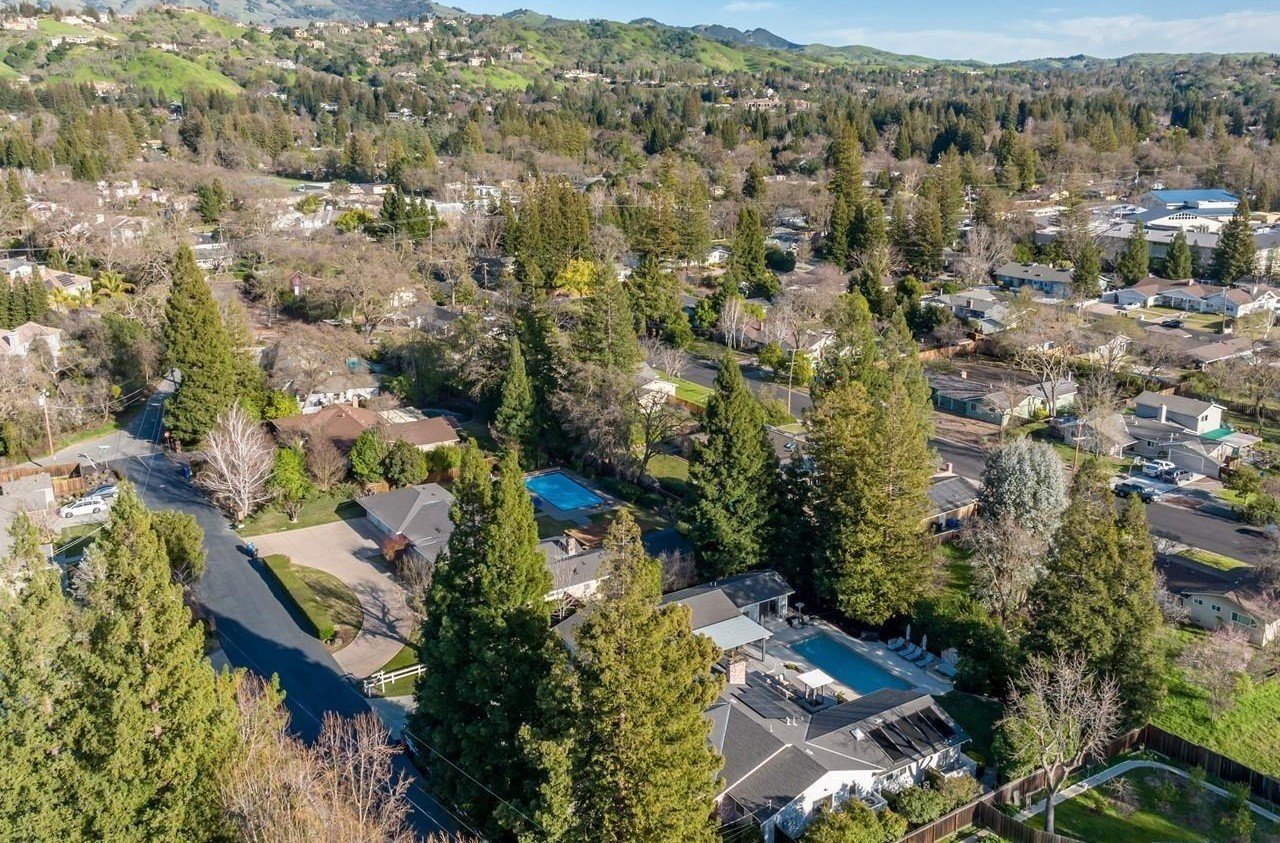
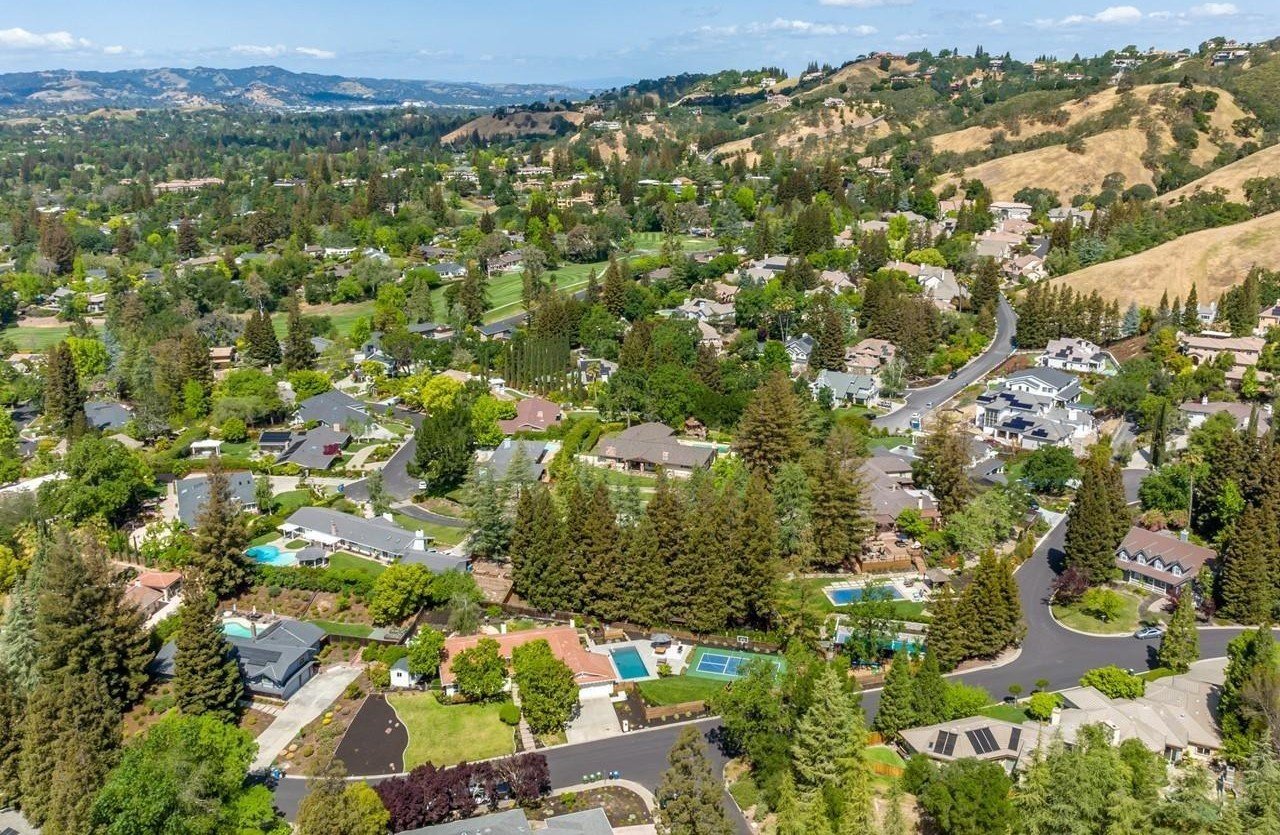
Alamo homes are more complex than standard suburban properties. Many have larger lots, mature trees, pools and spas, outdoor kitchens, guest houses or ADUs, hillside or sloped areas, retaining walls, long driveways, drainage systems, older custom construction, remodels completed in phases over many years, septic or sewer questions depending on the property, and extensive high-value landscaping.
That complexity is part of the appeal. It is also why buyers look more carefully here than in most East Bay markets. At Alamo price points, buyers will pay a premium, but they want to understand what they're taking on. A beautiful home with mature landscaping, privacy, a pool, and a strong Alamo address can still lose buyer momentum when inspection issues surface unexpectedly mid-escrow.
The goal of a pre-listing inspection strategy is not to make the home flawless. It's to eliminate surprises, because surprises turn reasonable buyers into aggressive negotiators.
The 12 Issues Alamo Buyers Penalize Most
1. Roof Condition and Documentation
The roof is one of the first major items buyers focus on because it affects insurance, water intrusion, and replacement cost. Buyers and their inspectors evaluate: roof age, broken tiles or shingles, evidence of prior repairs, active or prior leaks, gutter condition, flashing issues at chimneys and penetrations, moss or debris accumulation, skylight seals, eave and fascia dry rot, tree overhang proximity, and whether water drains properly and away from the structure.
A roof doesn't need to be new to sell well in Alamo. But the story needs to be clear. Before listing, gather: roof age if known, repair invoices, any roof inspection reports, warranty information, gutter repair records, and documentation of any leak repairs. If there was a prior leak, explain what happened, what was repaired, and whether it recurred. Buyers can accept an older, well-documented roof far more easily than a roof with an uncertain history.
2. Drainage and Grading
Drainage is one of the most significant inspection issues in Alamo because many properties have mature landscaping, larger lots, slopes, patios, retaining walls, and outdoor living areas that create complex water-movement patterns. Buyers evaluate: pooling water anywhere near the foundation or in low-lying yard areas, negative grading that directs water toward the structure, clogged area drains, downspouts discharging too close to the foundation, failed French drains, erosion on slopes, damp crawlspace conditions, patio settlement, retaining wall drainage outlets, and any signs of prior water intrusion inside the home.
Drainage problems create buyer fear because they suggest potential foundation, pest, mold, and hardscape consequences. Before listing: clean gutters, clear area drains, extend downspouts where needed, document any drainage improvements, inspect crawlspace areas if relevant, and correct obvious water-movement issues. A buyer may not object to a documented drainage system; they will object to visible signs of water movement with no explanation.
3. Pest, Dry Rot, and Wood Damage
Pest and dry rot issues are common in California properties with decks, wood trim, patio covers, fencing, mature landscaping, and older exterior materials. Alamo buyers evaluate: fascia boards and eaves, decks and railings, siding and window trim, door frames, patio covers, exterior stairs, fencing, garage framing, crawlspace wood, subarea moisture, termite activity, and fungus damage.
The principle is simple: pest findings don't automatically damage a sale. Surprises do. When sellers identify pest concerns before listing, they can decide whether to repair, disclose with documentation, credit at closing, or price around the issue. When buyers discover pest damage through their own inspector mid-escrow, they add a "hassle premium" to the repair cost and negotiate from a position of discovered information rather than disclosed information.
At Alamo's price points, even minor exterior deterioration can make buyers question whether the home has been maintained at a standard consistent with the asking price.
4. Pool, Spa, and Outdoor Systems
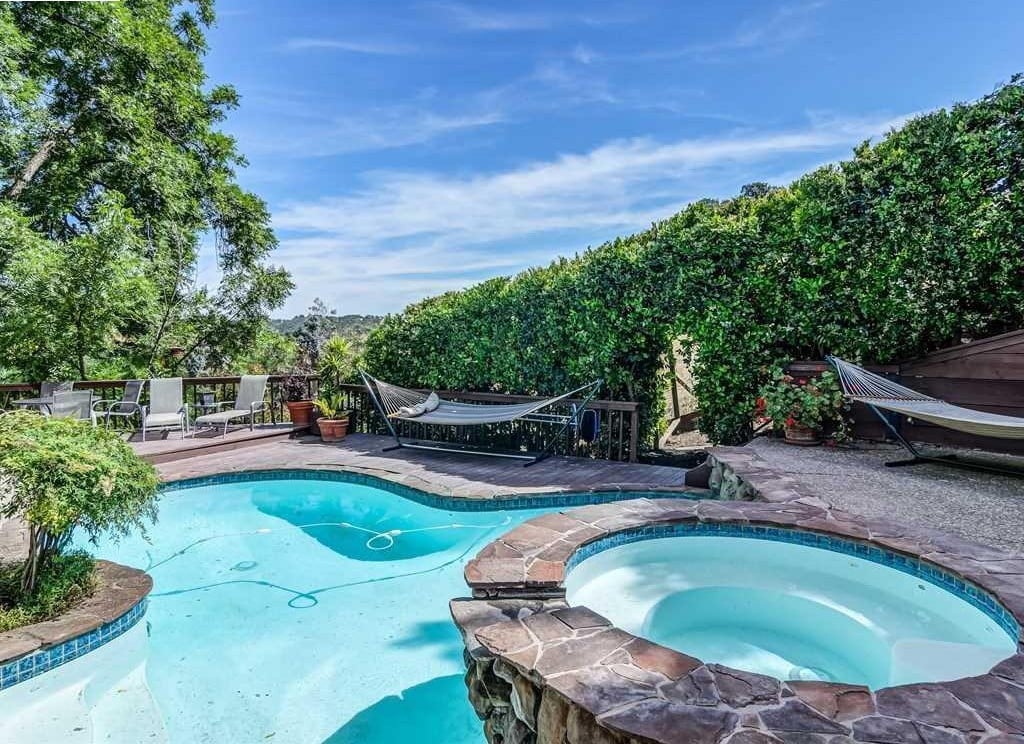
In Alamo, a pool and spa can be a primary value driver or a significant negotiation issue. Buyers evaluate: pool surface condition and finish quality, spa function, pool heater condition and age, pump and filter function, automation systems, lights, visible or suspected leaks, coping and tile condition, safety fencing compliance, equipment pad condition, pool cover, solar pool heating if applicable, outdoor kitchen systems, firepit or gas lines, irrigation near pool areas, and drainage around patios and entertaining zones.
A well-maintained, documented pool area creates emotional pull and supports pricing. A pool area with aging equipment, visible deferred maintenance, or undocumented service history creates a discount, and at higher price points, that discount compounds. Before listing: service pool equipment, fix obvious leaks or malfunctions, clean tile and coping, organize pool service records, and document any resurfacing or equipment updates.
5. HVAC Age and Performance
A large Alamo home may have multiple systems, multiple zones, older ductwork, or additions that changed the original heating and cooling configuration. Buyers ask: How old are the systems? Have they been serviced? Are the ducts in good condition? Are the filters clean? Are any rooms difficult to heat or cool? Is the system appropriately sized for the current floor plan? Do you have records of service and maintenance?
Before listing: service HVAC systems, replace filters, gather maintenance records, label zones where helpful, repair obvious performance issues, and disclose known problems. An older but maintained system with documentation is manageable for buyers. An old, undocumented system with no service history is priced as a liability because buyers treat uncertainty as cost.
6. Electrical Panel and Safety Items
Electrical concerns create buyer anxiety because they involve safety, insurance implications, and upgrade costs. Inspectors review: panel age and brand, amperage, subpanels, GFCI outlets in required locations, exposed wiring, double-tapped breakers, missing covers, ungrounded outlets, pool equipment wiring, exterior and landscape lighting, EV charger installation quality, solar system connections, and any remodel-related wiring.
Before listing, repair obvious safety items and gather records for any major electrical work. For homes with EV chargers, generators, solar systems, or substantial remodel wiring, documentation is especially important; buyers need confidence that licensed contractors completed the work to code.
7. Plumbing, Leaks, and Water Pressure
Plumbing concerns create anxiety because water damage is expensive, and the scope can be hard to determine without a thorough investigation. Inspectors evaluate: active leaks, water stains under sinks and around toilets, water pressure and flow, supply line age and material, drain line condition, corrosion, water heater age and seismic strapping, recirculation systems, shutoff valves, hose bib function, irrigation leaks, stains at shower pans, and laundry area condition.
Before listing: fix obvious leaks, inspect under every sink, service or document water heater condition, and organize plumbing repair records. If there was past water damage of any kind, be prepared to explain what happened, what was repaired, and what documentation exists. Buyers can work with known facts. They negotiate hard against unexplained stains and vague answers.
8. Windows, Sliders, and Exterior Doors
In Alamo, where indoor-outdoor living often drives a property's value, poor-functioning sliders, fogged windows, and sticky doors create a much worse impression than they would in a standard suburban home. Buyers notice fogged dual-pane windows, older single-pane windows, broken locks, difficult-to-operate sliders, torn screens, worn weatherstripping, water-intrusion staining around window frames, damaged trim, poorly sealed door frames, old French doors, and patio doors that drag.
Before listing, repair what is easy and disclose what is known. Buyers may accept older windows in a correctly priced home. But when multiple windows are fogged, or sliders don't operate smoothly, buyers start subtracting from both the price and their confidence that the home has been cared for.
9. Foundation, Settlement, Slope, and Retaining Walls
This category is especially important for Alamo properties with hillside influence, mature landscaping, patios and terraces, and retaining walls, all common features in the area. Buyers and inspectors evaluate: foundation cracks and their character (stable versus active), interior wall cracks, sloping floors, sticking doors throughout the home, patio settlement, driveway cracks, retaining wall movement or leaning, drainage behind walls, erosion on slopes, soil movement indicators, cracks in exterior stucco, prior structural repairs, permit history for retaining walls and structural work, and crawlspace moisture.
Not every crack is a major concern; most homes settle normally. But unexplained structural indicators make buyers nervous, and inspectors who speculate without professional context create negotiation leverage that costs sellers more than a proper engineering report would have. If the home has visible retaining walls, hillside influence, or settlement signs, get appropriate professional input before listing. Don't guess through structural questions.
10. Sewer, Septic, and Drainage Lines
Alamo properties vary in whether they have a public sewer connection or a septic system, and buyers will ask specific questions depending on the situation. Before listing, sellers should know definitively: is the property connected to public sewer, is there a septic system and, if so,o what are its records, has the sewer lateral been inspected, are there known drainage or cleanout issues, have there been any backups, are there root intrusion concerns in older clay pipes, and what repairs or replacements have been documented?
For properties with septic systems, buyers want clarity on: tank location and age, service history and pumping records, leach field condition, capacity relative to the home's use, and any prior issues. This is not an area to leave vague. Sewer and septic uncertainty is one of the most reliable causes of delayed contingency removal and mid-escrow renegotiation.
11. Remodel Permits, Additions, ADUs, and Guest Structures
Alamo homes are often improved over many years, which adds value but also creates documentation questions. Buyers ask about: kitchen and bathroom remodels, additions, wall removals, guest houses, ADUs, pool houses, garage conversions, outdoor kitchens, patio covers, decks, retaining walls, electrical upgrades, plumbing changes, solar, generators, and EV chargers. The core question: was the work permitted and finaled where required by code?
Missing records don't automatically kill a sale. But sellers should gather whatever records exist, disclose accurately what is and isn't documented, and avoid overstating what they can't verify. Buyers become significantly more nervous when square footage, major improvements, or substantial systems have unclear or undocumented histories, and they price that nervousness into their offers.
12. Landscaping, Trees, Irrigation, and Exterior Maintenance
In Alamo, landscaping is not decoration; it's part of the property value. Buyers evaluate: irrigation function and coverage, drainage across the property, tree health and proximity to structures, root damage potential, retaining wall and fencing condition, gate operation, driveway condition, exterior lighting, pathways, patios, decks, outdoor kitchens, lawn quality, garden maintenance, privacy hedge condition, hillside vegetation management, fire or brush clearance requirements, and realistic ongoing maintenance cost.
Mature, well-maintained landscaping is one of Alamo's genuine non-reproducible premiums. When neglected, overgrown, or poorly irrigated, it signals that the property will be expensive and labor-intensive to own, which directly translates into buyer hesitation and negotiation leverage.
Before listing: trim, clean, repair irrigation, remove dead plants, document recent improvements, and simplify where needed. The grounds should feel like an asset and a lifestyle, not a maintenance burden.
The Five-Step Pre-Listing Risk Framework
Step 1: Walk the home like a buyer. Be brutally honest. What looks old? What looks repaired? What looks neglected? What would a thorough inspector flag? What would make a qualified buyer nervous? This isn't about criticism; it's about preparation. Sellers who identify likely objections before listing eliminate the most expensive form of buyer leverage.
Step 2: Fix what creates fear. Prioritize: active leaks, broken pool equipment, unsafe electrical, pest damage, loose railings, obvious drainage problems, dry rot at visible exterior areas, broken sliders, water heater corrections, clogged gutters, and trip hazards. These items quickly and disproportionately reduce buyer confidence. Fixing them before listing almost always costs less than the credit a buyer demands after discovering them.
Step 3: Disclose what needs clarity. Address an older roof, past water intrusion, an older HVAC, drainage history, prior pest work, pool repairs, insurance claims, unpermitted improvements, known neighborhood factors, and septic or sewer history in the disclosure package, with whatever documentation is available. Buyers can handle known facts. They cannot handle surprises, and surprises in luxury escrows are expensive.
Step 4: Price around what isn't worth fixing. Dated kitchen, dated bathrooms, older but functional windows, older HVAC that still operates, aging pool surface, sloped yard with limited flat space, older floor plan. You can price around these issues, but the pricing has actually to reflect them. Buyers will do their own math. The market will correct a list price that assumes a fully updated property.
Step 5: Organize records before listing. Create a complete property file: inspection reports, repair invoices, warranties, permits, remodel records, roof records, HVAC service history, pest reports, pool service records, drainage documents, landscaping records, septic and sewer records if applicable, solar documents, and insurance claim history. A well-documented home creates confidence. A vague home creates negotiation.
Neighborhood-Specific Considerations
Westside Alamo: Focus on older-home systems: roof, HVAC, plumbing, electrical, drainage clarity given mature landscaping and larger lots, pest and dry rot exposure, remodel permit history, and mature tree proximity to structures. Westside buyers value character and charm, but still expect confidence that systems are maintained.
Roundhill: Pool and spa systems at a luxury standard, landscaping maintained to match the neighborhood's prestige, golf-course adjacent drainage patterns, roof and HVAC documentation, and outdoor living systems. Roundhill buyers expect the home to match the setting; unprepared outdoor systems create a specific and damaging disconnect at this price point.
Stonegate: Privacy and lot maintenance, drainage across larger properties, retaining wall condition (if present), roof and systems documentation, pool and spa (if applicable), and outdoor living presentation. Estate-style homes require estate-level preparation.
Bryan Ranch: Evaluate older-home condition, lot usability and drainage, mature landscaping maintenance, remodel quality and permits, and system condition documentation. Homes vary considerably in Bryan Ranch, so documentation matters more here than in more uniform neighborhoods.
Hillside and estate properties: Slope and drainage are the primary concerns, retaining wall condition and permit history, erosion patterns, driveway grade for daily use and emergency access, insurance considerations for hillside and larger-lot properties, exterior structure permits and condition, tree maintenance at scale, and usable versus total land area. Views are compelling; buyers will inspect the ground equally carefully.
Common Seller Mistakes
Waiting for the buyer to inspect first. When the buyer's inspector finds an issue, the buyer controls the narrative and adds a hassle premium to the actual repair cost. Sellers who define the story first pay less.
Fixing cosmetic items while ignoring risk items. Paint, staging, and lighting help. They don't erase roof, drainage, pest, HVAC, or pool concerns for buyers spending $3M+ and who've hired a thorough inspector.
Assuming luxury buyers won't care. Luxury buyers care deeply; they evaluate at a higher dollar level. A $50,000 drainage concern in Alamo is priced differently than the same concern in a standard suburban market.
Overexplaining verbally instead of documenting. Receipts, reports, permits, and service records are more persuasive than seller explanations. Documentation creates confidence; verbal assurance creates hesitation.
Hiding behind "as-is." "As-is" doesn't eliminate buyer concern; it tells buyers to price the risk themselves, which they will do at a premium. Organized disclosure with documentation is almost always more effective than asking buyers to accept unknown risk.
FAQ
Should I get inspections before selling my Alamo home?
For most Alamo properties, particularly larger lots, hillside properties, older construction, pool homes, and homes with guest structures, yes. Pre-listing inspections help you identify likely buyer concerns and address them on your timeline, not the buyer's.
What inspections should Alamo sellers consider?
Depending on the propert, consider a: whole-home inspection, pes inspectiont, roo inspectionf, pool and spasystem inspections, HVAC service, drainage review, sewer lateral or septi inspectionc, chimney and fireplac inspectione, foundation or structuralinspection ( where warrante)d, retaining wall assessment for hillside properties, and irrigation syste inspectionm. Not every home needs every inspection, but the goal is to understand the likely buyer objections before they occur.
Do I have to fix everything before listing?
No. The goal is to decide what to fix, what to disclose with documentation, and what to price around, not to achieve perfection. The three-bucket framework is more valuable than the impulse to address everything.
What inspection issues do Alamo buyers penalize most?
Roof uncertainty; drainage concerns, especially on larger or sloped lots; pest and dry rot in mature landscape environments; pool and spa issues; HVAC age without documentation; electrical safety items; plumbing leaks and water history; and unclear permit history for additions and remodeling.
Are older Alamo homes harder to sell?
Not necessarily. Older homes with strong location, mature landscaping, privacy, good maintenance records, organized disclosures, and honest pricing sell very well in Alamo. Clear documentation and correct pricing remove the objections that age alone creates.
Can inspection issues affect final sale price?
Consistently, yes, both through direct negotiation and through the subtler effect of reduced buyer confidence, which can make hesitant buyers write lower offers or walk away. Addressing issues before listing protects leverage in both directions.
Thinking about selling your Alamo home?
The Frazzano Tse Team will walk your home with you, identify the inspection issues buyers are most likely to penalize, help you decide what to fix versus disclose versus price around, and build a pre-listing plan that protects your leverage before you go live.
Get your free Alamo pre-listing risk review →
Learn about our full seller preparation process →
See how Ease of Sell funds targeted repairs →
Talk to us directly →